Madhav National Park
Madhav National Park was established in 1958 in the northern Madhya Pradesh state of India.
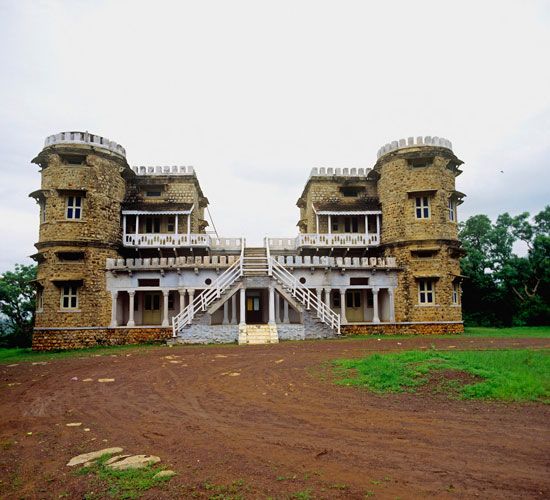
When was Madhav National Park established, and what were the reasons for its creation?
Madhav National Park was established in 1958 in the northern Madhya Pradesh state of India.12
The area was originally a private game preserve belonging to the Sindhia rulers of the former princely state of Gwalior. The park was named after Maharaja Madhav Rao Sindhia, a progressive ruler who had begun developing the forested land as a tourist and game resort prior to its official designation as a national park. His efforts included the construction of artificial lakes, such as Sakhya Sagar and Madhav Sagar, in 1918 to enhance the landscape for wildlife and visitors. By preserving this region of the Vindhya Range, the park serves to protect a diverse ecosystem of hills, valleys, and forests that support various species, including leopards and antelope. In 2025, the park furthered its conservation mission by becoming India’s 58th tiger reserve.12
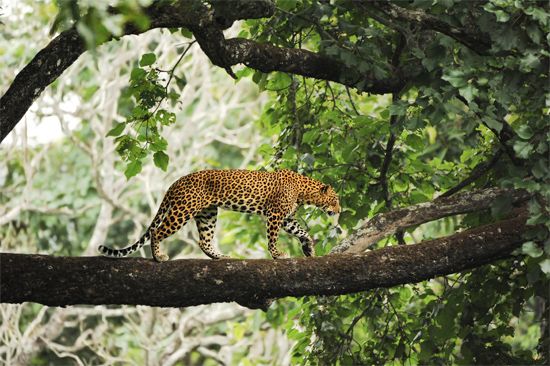
What is the total area covered by Madhav National Park?
Madhav National Park covers a total area of 637.61 square miles (1,651.39 square km) of forested land. Within this total expanse, the park maintains a designated core area of 144.88 square miles (375.23 square km).1
How does Madhav National Park contribute to conservation efforts in India?
Madhav National Park plays a vital role in India’s conservation efforts by protecting a diverse ecosystem of hills, valleys, and forests within the Vindhya Range. Its contributions include:1
- Species Recovery: While tigers had disappeared from the area by the early 1970s, the park successfully implemented reintroduction programs, leading to its designation as India’s 58th tiger reserve in 2025.21
- Habitat Preservation: The park protects a variety of wildlife, including leopards, langurs, jackals, and various antelope species, within its mixed forests of teak and sal.21
- Wetland Conservation: The park manages artificial lakes, such as Sakhya Sagar, which serve as critical wetland habitats. Sakhya Sagar is recognized as a Ramsar site of international importance, supporting over 70 species of birds.1
- Biodiversity Support: By maintaining these protected lands, the park provides a sanctuary for numerous birds and mammals, contributing to the broader ecological health of Madhya Pradesh.14
What are some of the key wildlife species that can be found in Madhav National Park?
Madhav National Park is home to a diverse array of wildlife, supported by its mixed forests and grassland habitats. Key species found within the park include:
- Predators: Tigers, leopards, and jackals.12
- Ungulates and Mammals: Chital, sambar, four-horned antelope, mouse deer, wild pigs, and langurs.12
- Birds: Various species including jungle fowl, quail, and bustards.12
The park’s artificial lakes, such as Sakhya Sagar, also serve as critical wetland habitats, supporting more than 70 species of birds.2
Sources
- Madhav National Park: Top Questions — Encyclopædia Britannica
- Madhav National Park — Encyclopædia Britannica
- Shivpuri — Encyclopædia Britannica
- Madhya Pradesh - Plant and animal life — Encyclopædia Britannica
Published on · 2 min read