Marinduque
Marinduque is an oval-shaped island province located in the Philippines, situated in the Sibuyan Sea south of Luzon and east of Mindoro. Covering an area of…
What is Marinduque?
Marinduque is an oval-shaped island province located in the Philippines, situated in the Sibuyan Sea south of Luzon and east of Mindoro. Covering an area of approximately 355 square miles (923 square kilometers), the island is characterized by hilly terrain.12
The local economy relies heavily on agriculture, particularly the production of coconuts and rice, alongside cattle ranching and fishing. Additionally, the island possesses significant mineral resources, with iron ore and copper mining playing an important role in its economy. The principal city is Boac, located on the northwestern coast, with other notable settlements including Santa Cruz, Buenavista, Gasan, and Torrijos.1
The population is primarily composed of Tagalogs. Culturally, the island is well known for its annual Moriones Festival, which features elaborate street pageants held throughout Holy Week leading up to Easter.1
What is the significance of the Moriones Festival?
The Moriones Festival is a significant cultural event held annually on the island of Marinduque in the Philippines. The festival takes place throughout Holy Week, the period leading up to Easter, and is characterized by elaborate street pageants.1
While the provided information notes the festival’s timing and its role as a prominent local tradition, it does not detail the specific historical or religious significance behind the performances.
What are the main agricultural products of Marinduque?
The primary agricultural products of Marinduque are coconuts and rice. In addition to these crops, the island’s economy is supported by cattle ranching and productive fishing grounds.1
How does the geography of Marinduque affect its economy?
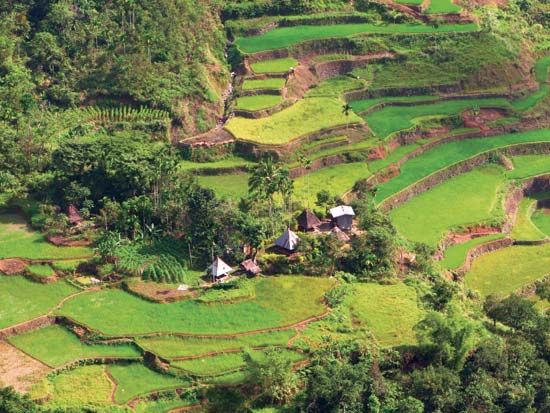
The geography of Marinduque significantly shapes its economy through its varied terrain and coastal location. The island’s hilly, oval-shaped landscape provides the necessary environment for agriculture, with large portions of the land dedicated to the cultivation of coconuts and rice.1
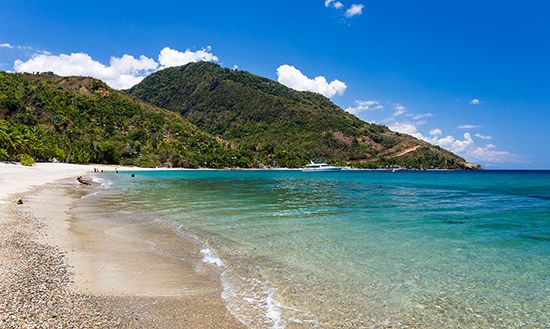
Furthermore, the island’s position in the Sibuyan Sea grants it access to rich fishing grounds, which serve as a vital economic resource. Beyond surface-level agriculture and fishing, the island’s geological composition supports an extractive industry, as iron ore and copper mining are important contributors to the local economy. The concentration of settlements, such as the principal city of Boac, along the coast highlights the importance of the island’s maritime geography in facilitating trade and community development.1
Sources
- Marinduque — Encyclopædia Britannica
- Marinduque — Merriam-Webster
Published on · 2 min read