Matsu Island
The economy of Matsu Island is primarily driven by fishing, which serves as the main economic activity for the local population.
What are the main industries and economic activities on Matsu Island?
The economy of Matsu Island is primarily driven by fishing, which serves as the main economic activity for the local population.1
In addition to fishing, islanders engage in small-scale agriculture and livestock farming to support themselves. These activities include:
- Crop cultivation: The raising of vegetables and grain.1
- Animal husbandry: The raising of hogs and chickens.1
These agricultural efforts are supported by an extensive system of reservoirs and wells, which help manage the island’s water resources given its hilly terrain and monsoonal subtropical climate.1
How do residents of Matsu Island maintain connections with mainland Taiwan?
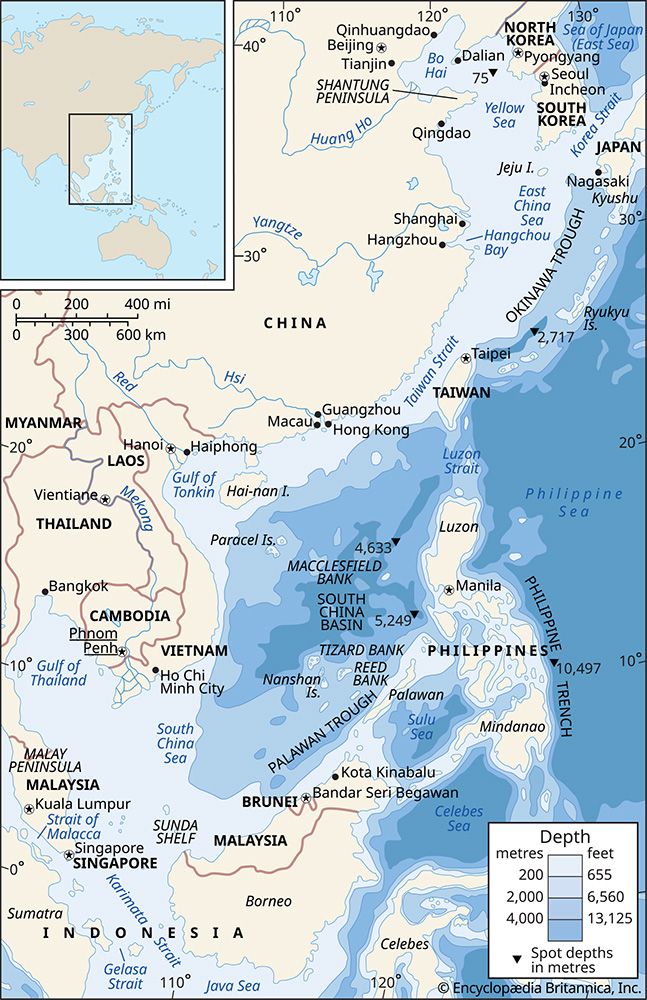
Where is Matsu Island located, and what is its significance in the East China Sea?
Matsu Island is located in the East China Sea, situated off the Min River estuary of mainland China and approximately 130 miles northwest of Keelung, Taiwan.1
The island holds significant geopolitical importance as a focal point of tension between Taiwan and the mainland. Following the retreat of the Nationalist Chinese forces to Taiwan in 1949, Matsu and Quemoy Island became strategic flashpoints, enduring periodic artillery bombardments from communist forces.1
A notable escalation occurred in 1958, when a heavy bombardment triggered an international crisis, leading the United States to deploy its 7th Fleet to the region to prevent further conflict. Consequently, the island remained under military rule until 1992, serving as a symbol of the enduring standoff across the Taiwan Strait.1
How has Matsu Island’s strategic location influenced its military importance?
Matsu Island’s strategic location, situated just off the Min River estuary of mainland China, has defined its role as a critical military outpost. Following the 1949 retreat of Nationalist forces to Taiwan, the island became a central flashpoint in the cross-strait conflict.1
Its proximity to the mainland made it a target for periodic artillery bombardments by communist forces. The island’s military significance reached a peak during the 1958 crisis, when heavy shelling and demands for surrender prompted the United States to deploy its 7th Fleet to the region to prevent further escalation.1
Due to these ongoing security concerns, the island remained under military rule for decades, serving as a frontline symbol of the standoff until the administration was transitioned in 1992.1
Sources
- Matsu Island — Encyclopædia Britannica
Published on · 2 min read