Mount Wutai
Mount Wutai, located in China’s Shanxi province, is one of the most significant holy sites in Buddhism. It is renowned as the sacred dwelling place of the…
What is the significance of Mount Wutai in Chinese Buddhism?
Mount Wutai, located in China’s Shanxi province, is one of the most significant holy sites in Buddhism. It is renowned as the sacred dwelling place of the bodhisattva Manjusri, a figure associated with wisdom.
The mountain’s importance is rooted in several key historical and religious factors:
- Center of Learning: Beginning in the 5th century, it became a primary hub for the Huayan school of Buddhism, attracting scholars and pilgrims from across China and Japan for centuries.1
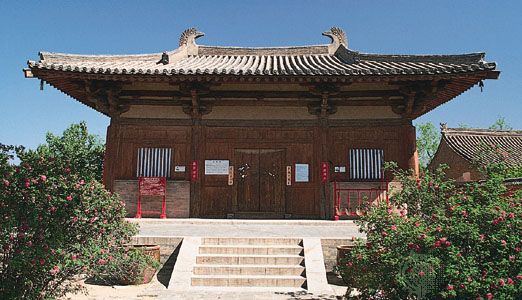
- Architectural Heritage: The site houses numerous temples, including some of the oldest surviving wooden structures in China, such as the main hall of Foguang Temple, which dates to 857.1
- Diverse Traditions: While historically associated with Chinese Buddhism, the mountain also became a major center for Tibetan Buddhism during the Qing dynasty, serving as a vital link between the Chinese court and its Mongol and Tibetan vassals.1
- Pilgrimage: It is recognized as one of the four sacred mountains of Chinese Buddhism, drawing countless pilgrims seeking spiritual development.2
What are the main temples and monasteries located on Mount Wutai?
Mount Wutai is home to a vast collection of temples and monasteries, many of which are concentrated around the town of Taihuai Zhen. These sites serve as significant centers for Buddhist practice and historical preservation.
Key temples and monasteries include:
- Xiantong Temple: One of the largest and most prominent temples located in the Taihuai Zhen area.1
- Tayuan Temple: Another major temple situated near the town center, known for its architectural significance.1
- Pusading Temple: A significant monastery also grouped within the central cluster at Taihuai Zhen.1
- Foguang Temple: Renowned for its main hall, which dates back to 857 and stands as one of the oldest surviving wooden buildings in China.1
- Nanchan Temple: Notable for its main hall, which dates back to at least 782 and underwent reconstruction in the 1970s.1
These sites collectively represent the mountain’s long history as a center for various Buddhist traditions, including the Huayan school, Chan (Zen) Buddhism, and Tibetan Buddhism.1
How does Mount Wutai compare to other sacred mountains in Chinese culture?
Mount Wutai holds a unique position among the sacred mountains of China, distinguished primarily by its status as one of the four holy mountains of Buddhism. While many mountains in China have been venerated for centuries, Mount Wutai is specifically revered as the dwelling place of the bodhisattva Manjusri, a figure representing wisdom.13
Compared to other sacred sites, Mount Wutai is notable for its diverse religious history and international influence:
- Religious Evolution: Like the Tiantai Mountains, Mount Wutai was initially designated as a holy site for Daoism before becoming a preeminent Buddhist center.32
- Cross-Cultural Significance: During the Tang dynasty, Mount Wutai served as a vital intellectual hub for the Huayan school, attracting scholars from as far away as Japan. Later, during the Qing dynasty, it became a crucial bridge for Tibetan Buddhism, facilitating relations between the Chinese court and its Mongol and Tibetan vassals.3
- Architectural Preservation: Mount Wutai is distinguished by its collection of ancient wooden architecture, including the Foguang Temple, which contains one of the oldest surviving wooden buildings in China.3
While other mountains like Emei, Putuo, and Jiuhua are also dedicated to specific bodhisattvas, Mount Wutai’s long-standing role as a multi-tradition monastic center sets it apart as a significant World Heritage site.31
What natural features make Mount Wutai unique among China’s sacred mountains?
Mount Wutai, located in Shanxi province, is defined by distinct geological characteristics that set it apart from other sacred mountains in China.
The mountain’s name, wutai, translates to “five terraces,” referring to its unique physical structure as a cluster of flat-topped peaks rather than a single, pointed summit. This massif reaches a significant elevation, with its highest peak standing at 10,033 feet (3,058 metres) above sea level.1
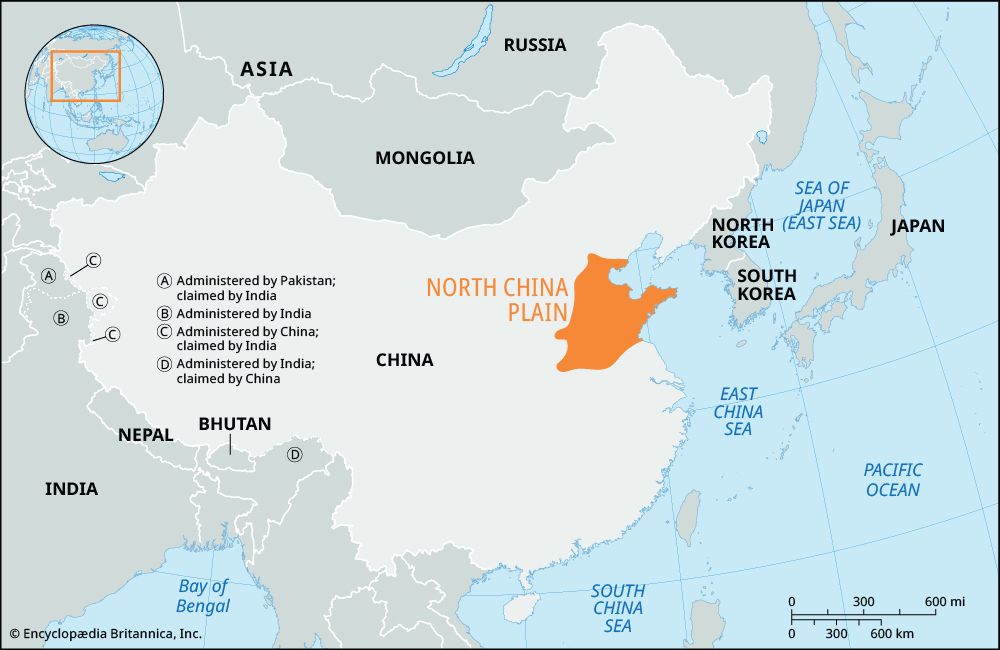
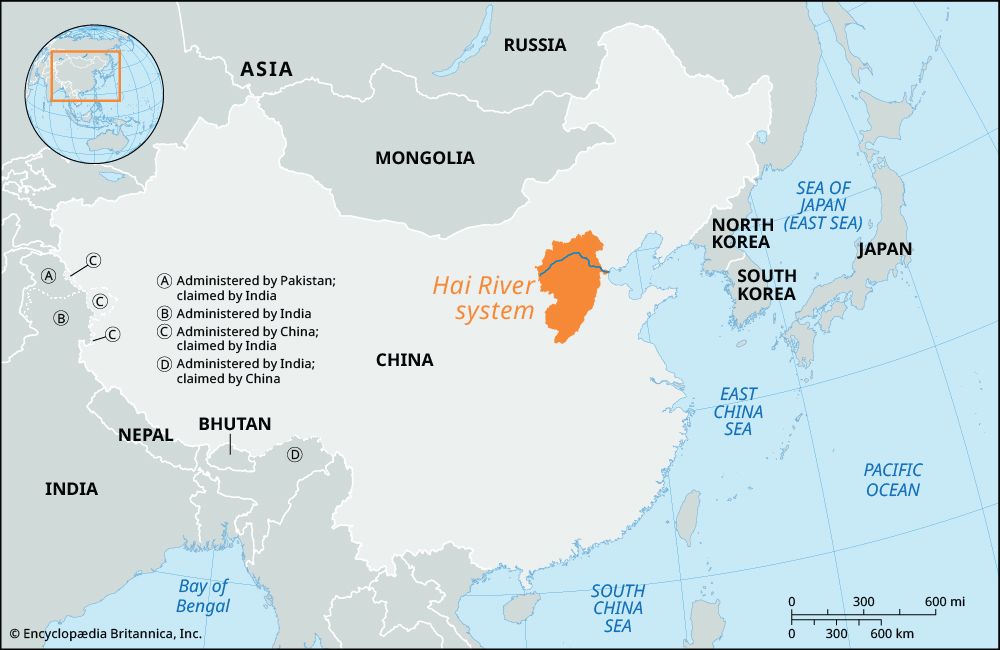
Geographically, the mountain chain is situated along a southwest-northeast axis and is separated from the Heng Mountains to the northwest by the valley of the Hutuo River. This river plays a vital role in the local landscape, curving eastward around the southern flank of the massif before flowing toward the North China Plain and joining the Hai River system.1
These natural terraces provided the expansive, elevated terrain necessary for the construction of the extensive temple complexes that define the mountain’s cultural and religious identity today.1
Sources
- Mount Wutai — Encyclopædia Britannica
- Buddhism - Buddhist pilgrimage — Encyclopædia Britannica
- Taoism - Taoism under the Tang dynasty (618–907) — Encyclopædia Britannica
- Tiantai Mountains — Encyclopædia Britannica
Published on · 3 min read