Muir Woods National Monument
John Muir (1838–1914) was a Scottish-born American naturalist, writer, and a pivotal figure in the U.S. conservation movement. He championed the preservation…
Who was John Muir, and how did he influence the creation of Muir Woods National Monument?
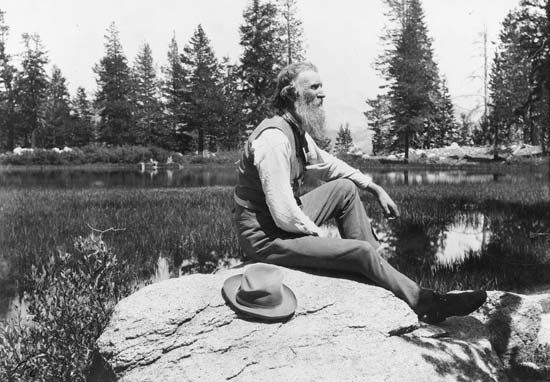
John Muir (1838–1914) was a Scottish-born American naturalist, writer, and a pivotal figure in the U.S. conservation movement. He championed the preservation of wilderness areas, arguing that national parks and forests should be protected in their entirety from industrial exploitation. In 1892, he co-founded the Sierra Club, which became a powerful platform for his advocacy.1
While Muir was not the direct founder of Muir Woods National Monument, the site was established in 1908 and named in his honor to recognize his profound influence on American environmental policy. The monument’s core land was donated by Congressman William Kent and his wife, Elizabeth Thacher Kent, specifically to pay tribute to Muir’s life work.12
It is important to acknowledge that while Muir was a towering figure in conservation, his legacy is complicated by his deeply harmful, racist attitudes toward Black and Indigenous peoples, which have had a lasting, negative impact on the conservation movement.1
What is the history behind the establishment of Muir Woods National Monument?
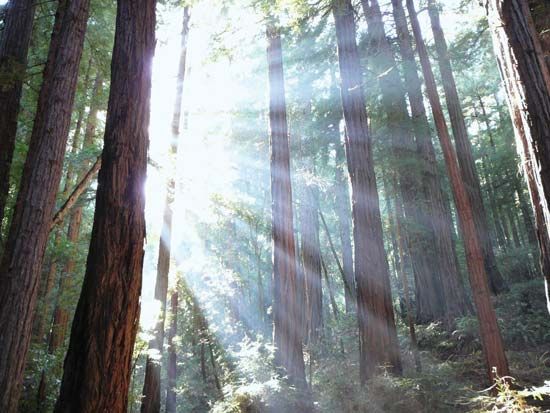
Muir Woods National Monument was established in 1908, serving as a protected sanctuary for one of the few remaining virgin stands of coastal redwoods in northern California. The core 295 acres of the forest were donated to the federal government by Congressman William Kent and his wife, Elizabeth Thacher Kent, with the specific intent of preserving the ancient trees, some of which are over 1,000 years old.2
The monument was created under the authority of the Antiquities Act of 1906, a landmark piece of legislation that empowers the U.S. president to designate federal lands as national monuments to protect objects of historic or scientific interest. By utilizing this act, the government was able to quickly secure the land to prevent its destruction. The site was named in honor of the naturalist and conservationist John Muir, recognizing his significant contributions to the American conservation movement. Today, the monument is administered by the National Park Service as part of the Golden Gate National Recreation Area.32
What role does Muir Woods play in preserving old-growth coastal redwood ecosystems?
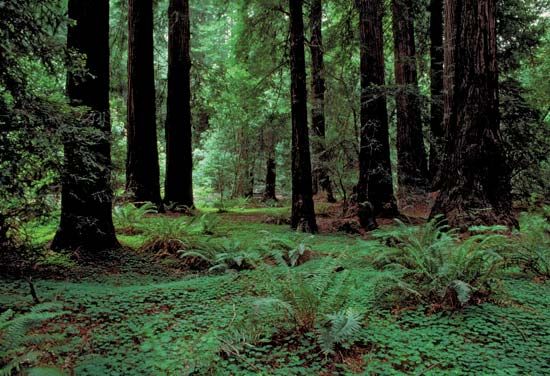
Muir Woods National Monument plays a critical role in the preservation of old-growth forest ecosystems by protecting one of the few remaining virgin stands of coastal redwoods in northern California. By safeguarding this area from human disturbances like logging, the monument allows the forest to maintain its complex, undisturbed ecological processes.24
As an old-growth ecosystem, Muir Woods provides essential services and habitat structures that younger forests cannot replicate. The monument preserves:
- Complex Stand Structure: The forest contains trees of varying ages and sizes, including ancient specimens over 1,000 years old, which create multiple layers of canopy.24
- Biodiversity Support: The presence of deadwood, woody debris, and mature trees provides vital niches for diverse organisms, including fungi, insects, and amphibians.4
- Ecosystem Services: The dense biomass of these ancient trees contributes to significant carbon sequestration, helping to mitigate the impacts of climate change.4
By maintaining these naturally regenerated groves, Muir Woods serves as a living laboratory for understanding the resilience and biological richness of primary forests.24
What are some of the popular hiking trails and attractions within Muir Woods?
Muir Woods National Monument offers visitors approximately 6 miles (10 km) of walking trails that wind through its ancient redwood groves.2
The primary attraction for most visitors is the network of trails located along the canyon floor. These paths run alongside Redwood Creek and are paved, providing an accessible way to experience the towering trees, some of which reach heights of over 250 feet (75 meters) and are more than 1,000 years old. Beyond the redwoods, the trails offer opportunities to observe other native flora, including Douglas firs, big-leaf maples, tanbark oaks, and the lush fern growth that carpets the forest floor.2
Because the monument is situated at the foot of Mount Tamalpais and is surrounded by Mount Tamalpais State Park, hikers often have access to a broader network of trails that extend into the surrounding landscape of the Golden Gate National Recreation Area.2
Sources
- John Muir — Encyclopædia Britannica
- Muir Woods National Monument — Encyclopædia Britannica
- Antiquities Act of 1906 — Encyclopædia Britannica
- old-growth forest — Encyclopædia Britannica
- coast redwood — Encyclopædia Britannica
- Muir Woods National Monument — Merriam-Webster
- Redwood National Park — Encyclopædia Britannica
Published on · 3 min read