Neckar River
The Neckar River is a vital artery in southwestern Germany, serving as a cornerstone for both the regional economy and cultural landscape of the state of…
What is the historical significance of the Neckar River in German culture and commerce?
The Neckar River is a vital artery in southwestern Germany, serving as a cornerstone for both the regional economy and cultural landscape of the state of Baden-Württemberg.
Commercial Significance
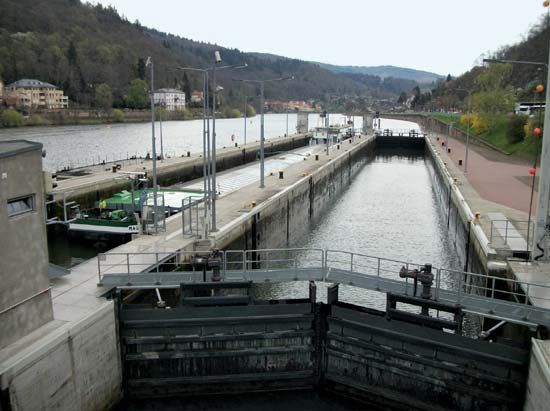
The Neckar is a critical transportation route, canalized as far as Plochingen and navigable for 1,000-ton barges. Since World War II, the river has been extensively developed to facilitate trade, with the industrial heart of the state concentrated in the Neckar Valley between Esslingen, Stuttgart, and Heilbronn3. This corridor accounts for more than half of the state’s total production, serving as a hub for high-technology businesses and specialized mechanical industries. Cities like Heilbronn utilize the river as a key transloading point on the Rhine-Neckar shipping route.123
Cultural Significance
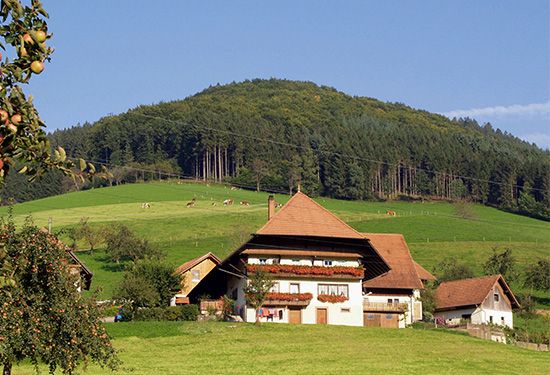
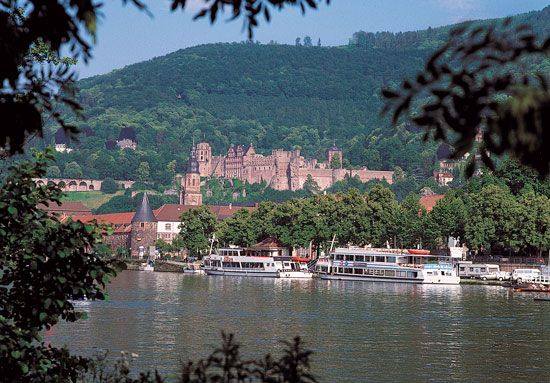
The river defines the “Neckarland” region, one of Germany’s most densely populated and fertile areas, characterized by vine-clad hills and historic feudal castles. The valley is deeply integrated into German heritage, passing through culturally significant cities such as Tübingen and Heidelbergplace/Tubingen-Germany) and Heidelberg.12
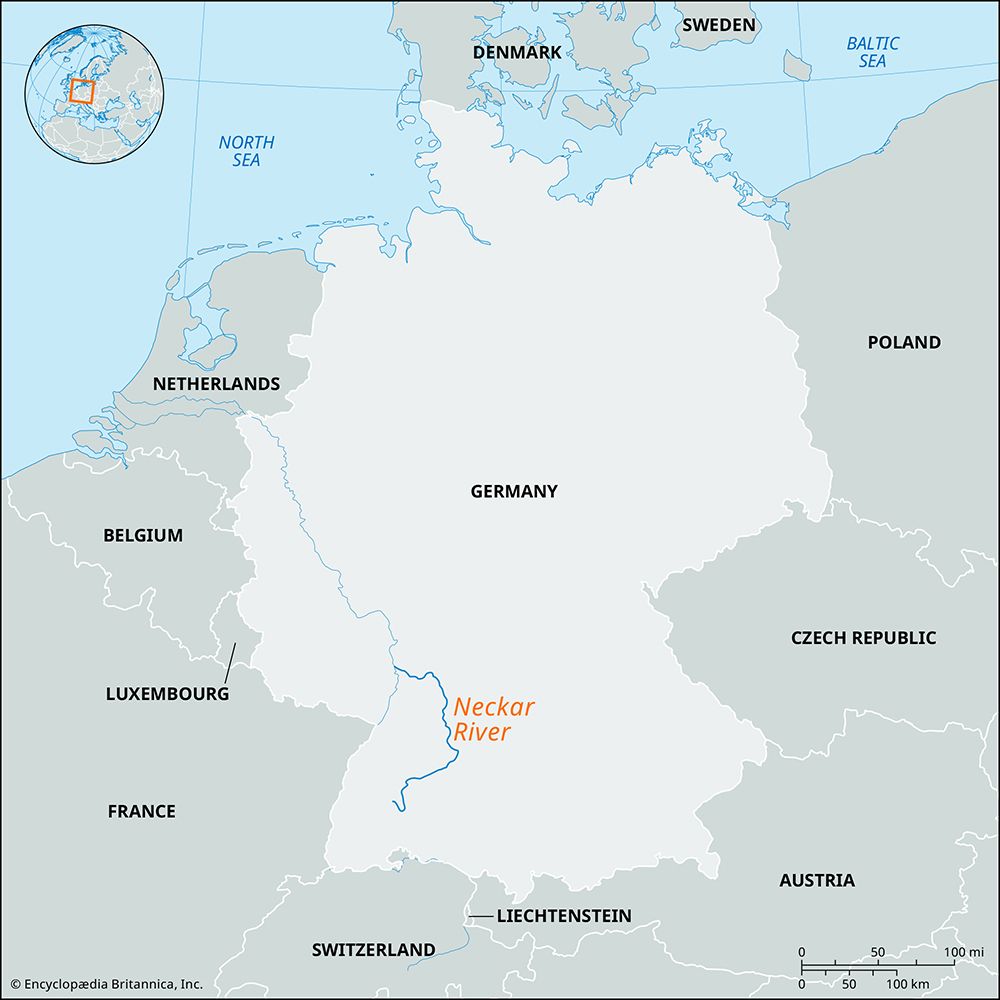
Where is the Neckar River located, and what are its major tributaries?
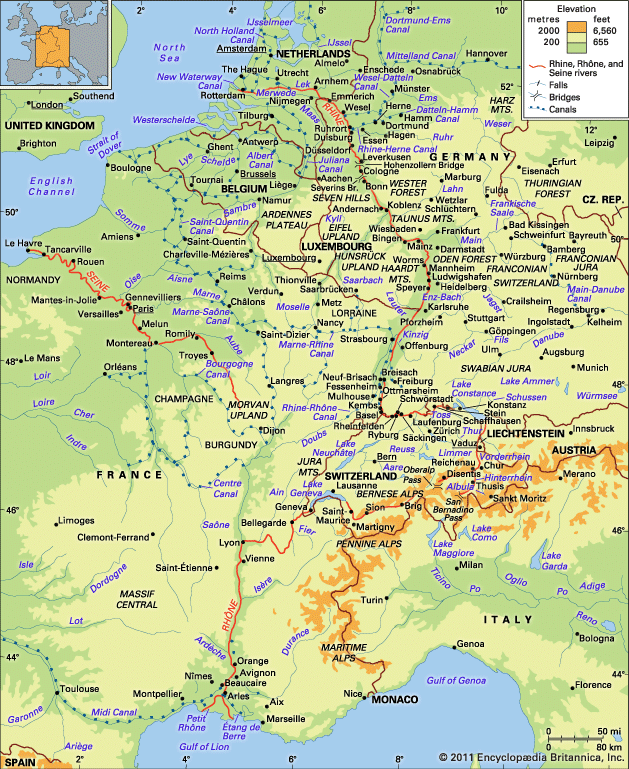
The Neckar River is located in southwestern Germany. It rises in the Black Forest near Schwenningen am Neckar and flows north and northeast along the edge of the Swabian Jura before turning northwest through Stuttgart and eventually entering the Rhine River at Mannheim.16
Regarding your inquiry about the river’s major tributaries, the provided search results do not contain information identifying the specific tributaries of the Neckar River.
How long is the Neckar River, and what are some of the major cities along its course?
The Neckar River is 228 miles (367 km) long. It rises in the Black Forest near Schwenningen am Neckar and flows through southwestern Germany before entering the Rhine River at Mannheim1.
Along its course, the river passes through several notable cities, including:
- Tübingen
- Stuttgart
- Heilbronn
- Neckarsteinach
- Neckargemünd
- Heidelberg
- Mannheim1
What role did the Neckar River play in the industrialization of southwestern Germany?
The Neckar River has played a vital role in the industrialization of southwestern Germany by serving as a key transportation artery and a center for economic activity. The river has been canalized as far as Plochingen, making it navigable for 1,000-ton barges and facilitating the movement of goods throughout the region.143
The industrial heart of the state of Baden-Württemberg is concentrated in the Neckar Valley, specifically between Esslingen, Stuttgart, and Heilbronn. This corridor accounts for more than half of the state’s total production. While the region lacks significant heavy industry, it has developed into a hub for high-value-added manufacturing, including specialized mechanical industries, medical instruments, and high-technology businesses.7
Additionally, the canalization of the river has contributed to the generation of hydroelectric power, although this provides only a minor portion of the region’s total electricity compared to other energy sources.8
Sources
- Neckar River — Encyclopædia Britannica
- Neckar — Merriam-Webster
- Germany - Waterways — Encyclopædia Britannica
- Baden-Württemberg — Encyclopædia Britannica
- Heilbronn — Encyclopædia Britannica
- Rhine River - Physiography — Encyclopædia Britannica
- Rhine River - Navigational improvements — Encyclopædia Britannica
- Germany - Resources and power — Encyclopædia Britannica
Published on · 2 min read