Nen River
The Nen River is a vital waterway in northeastern China that serves as the principal tributary of the Sungari (Songhua) River.
What are some of the main tributaries of the Nen River, and how do they contribute to its water volume?
The Nen River is a vital waterway in northeastern China that serves as the principal tributary of the Sungari (Songhua) River.
While specific names of individual tributaries are not detailed in the available records, the river’s water volume is primarily sustained by a vast network of streams flowing from two major mountain ranges:
- The eastern slopes of the Da Hinggan Range
- The western slopes of the Xiao Hinggan Range
These numerous tributaries collect runoff from the surrounding highlands and feed the Nen as it flows southward across the Northeast Plain. This influx of water is significant enough that the river is prone to serious flooding during the summer months, particularly near its confluence with the Sungari. Despite these seasonal fluctuations and a four-month winter freeze, the river remains an essential transportation route for the region.1
How is the Nen River used for agriculture, industry, and transportation in modern times?
The Nen River serves as a critical geographic feature in northeastern China, supporting the development of the Northeast Plain.
Transportation
The river remains an important water route for the region. It is navigable by small steamers as far north as Qiqihar, while smaller craft can navigate much further upstream. Although its utility is limited by a four-month winter freeze and seasonal flooding, it historically served as the primary artery for transporting goods and people during the 19th-century settlement of Heilongjiang.1
Agriculture and Industry
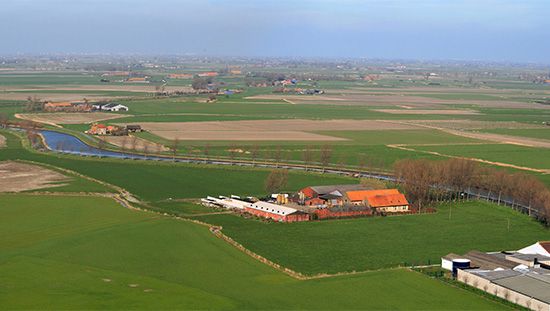
While the provided records do not explicitly detail specific industrial or agricultural projects directly on the Nen River, it is integral to the Northeast Plain, which is a major agricultural and industrial hub. The plain is renowned for its fertile black soils, producing crops such as soybeans, corn, rice, wheat, sorghum, sugar beets, and flax. Since 1949, the region has seen extensive land reclamation and the establishment of large state farms. Furthermore, the plain serves as a vital base for heavy industry, supported by rich deposits of iron ore, coal, and oil.2
Where is the Nen River located in China, and what are its main geographical features?
The Nen River is located in northeastern China, primarily flowing through Heilongjiang province and the Inner Mongolia Autonomous Region before joining the Sungari River in Jilin province.3
Geographical Features
- Origin and Course: The river rises where the Da Hinggan and Xiao Hinggan ranges converge. It flows southward for 725 miles (1,170 km), forming part of the border between Heilongjiang and Inner Mongolia.3
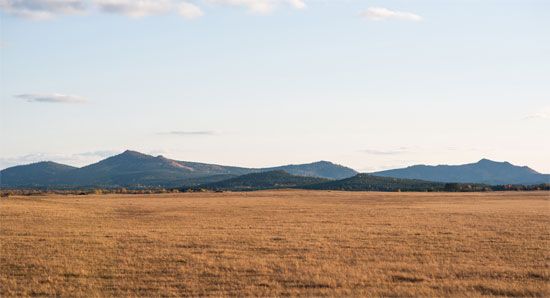
- Terrain: As it crosses the northern Northeast (Manchurian) Plain, the river’s gradient becomes very low, causing it to meander across a landscape characterized by salt bogs, swamps, and brackish lakes.3
- Hydrology: The river is fed by numerous tributaries from the Da Hinggan and Xiao Hinggan ranges. It experiences significant seasonal variations, including a four-month winter freeze and frequent summer flooding.13
What is the historical significance of the Nen River for the surrounding regions?
The Nen River has played a vital role in the development of northeastern China, particularly as a foundational artery for regional expansion.
Historical Significance
During the 19th century, the Nen River was of paramount importance to the settlement of Heilongjiang province. At that time, the river served as virtually the only reliable means for transporting people and goods across the region’s challenging terrain. By providing a navigable water route, it facilitated the movement of settlers and resources into the northern sections of the Northeast Plain, effectively opening the area to development.1
Regional Impact
Beyond its role in early transportation, the river is a defining feature of the Sungari-Nen plain. This fertile lowland, characterized by its rich black soils, has evolved into a major agricultural and industrial hub. While the river’s utility is seasonally constrained by winter freezing and summer flooding, its presence has been central to the environmental and economic character of the region, supporting the growth of cities like Qiqihar and the broader industrialization of the Manchurian heartland.12
Sources
- Nen River — Encyclopædia Britannica
- Northeast Plain — Encyclopædia Britannica
- Sungari River — Encyclopædia Britannica
- Heilongjiang - Climate — Encyclopædia Britannica
- Heilongjiang - Relief — Encyclopædia Britannica
Published on · 3 min read