Normanby Island
The available information does not provide a detailed chronological history of human settlement specifically for Normanby Island.
What is the history of human settlement on Normanby Island?
The available information does not provide a detailed chronological history of human settlement specifically for Normanby Island.
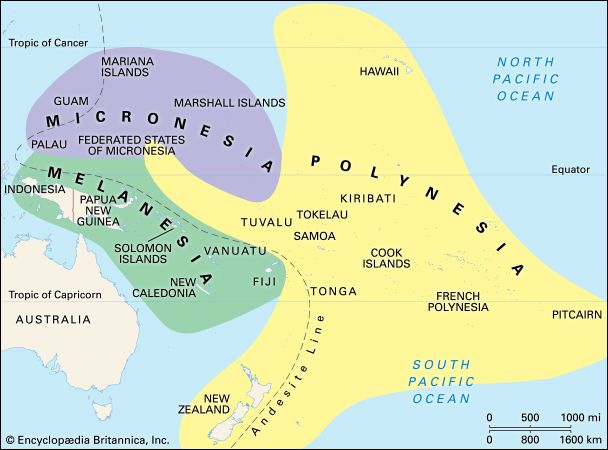
While the broader region of Papua New Guinea has been inhabited for approximately 40,000 years by Melanesian peoples3, specific records for Normanby Island focus primarily on its European exploration and modern economic activity. The island was visited in 1873 by Capt. John Moresby, who named it after the marquess of Normanby. Historically, the island has produced gold and currently exports copra and timber, with Esa’ala serving as the largest settlement and district headquarters. Additionally, it is noted that the island may have served as a secret British military base during World War II.1
Are there any significant archaeological sites or historical landmarks on Normanby Island?
There are no widely documented archaeological sites or formal historical landmarks on Normanby Island currently recognized in the historical record. While the island possesses a history of colonial exploration and potential military significance, it is not noted for major archaeological ruins or preserved heritage sites.
Key historical points regarding the island include:
- Exploration: The island was visited and named in 1873 by Capt. John Moresby, who named it after the marquess of Normanby, a governor of Queensland.2
- Military History: There is historical speculation that the island may have served as a secret British military base during World War II, though this remains a point of historical interest rather than a designated landmark.2
- Economic History: The island has a history of gold production, with new deposits being exploited in the early 21st century, and it continues to export copra and timber.2
What role does Normanby Island play in the larger context of Papua New Guinea’s politics and economy?
Normanby Island plays a localized but functional role in the economy and administration of Papua New Guinea. As part of the D’Entrecasteaux Islands, the island serves as an administrative hub, with Esa’ala functioning as the district headquarters.
Economically, the island contributes to the nation through the export of primary resources. Historically known for gold production, the island saw a resurgence in this sector with the exploitation of newly discovered gold deposits in the early 21st century. Additionally, the island’s economy relies on the production and export of copra and timber. While it is not a central political power base, its role as a district center and a site for resource extraction integrates it into the broader economic framework of the region.2
What is the population of Normanby Island, and how has it changed over time?
Sorry, the Britannica knowledge base does not contain this information.
Sources
- D’Entrecasteaux Islands — Encyclopædia Britannica
- Normanby Island — Encyclopædia Britannica
- Papua New Guinea — Encyclopædia Britannica
- list of islands - Papua New Guinea — Encyclopædia Britannica
Published on · 2 min read