Melanesian Culture
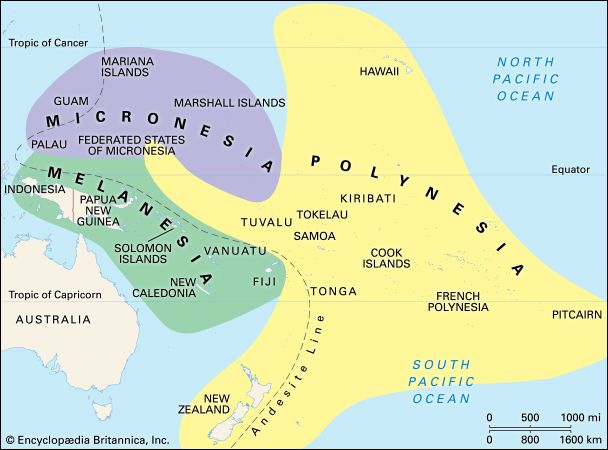
In Melanesia, the concept of kastom (traditional custom) has emerged as a vital pillar of cultural identity, particularly among the region's new political…
How has the practice of ‘kastom’ influenced Melanesian cultural identity and traditions?
In Melanesia, the concept of kastom (traditional custom) has emerged as a vital pillar of cultural identity, particularly among the region’s new political and economic elite. As Melanesian societies have become increasingly class-stratified and Westernized due to colonial history, Christianization, and global economic integration, kastom serves as a framework for cultural revivalism and nationalist ideology.1
This movement seeks to reclaim and cast in a positive light traditional elements that were previously suppressed by conservative religious or colonial influences. Key aspects of this revival include:
- Ceremonial Exchange: Practices such as the kula ring—the exchange of shell valuables—are actively maintained, even by modern professionals and politicians who utilize contemporary travel methods to sustain these ancient networks.1
- Social Obligations: The payment of bridewealth remains a resilient tradition, serving as a moral imperative that links kinship groups and validates social relationships despite the pressures of capitalist economic systems.12
- Cultural Expression: The promotion of traditional music, dance, and oral traditions through cultural centers and festivals helps define “the Melanesian way” as a distinct identity in a globalized world.1
What are the main social structures and kinship systems in Melanesian societies?
In precolonial Melanesia, social organization was primarily defined by kinship and descent, typically operating without centralized political institutions. Local groups were generally autonomous and small, though larger polities existed in densely settled regions like the New Guinea Highlands.2
Kinship and Land Tenure
Societies were structured around corporate land ownership, where local kin groups held title to land inherited from founding ancestors. Descent was reckoned through various systems:
- Patrilineal descent: Common in lowland New Guinea, northern Vanuatu, and New Caledonia.2
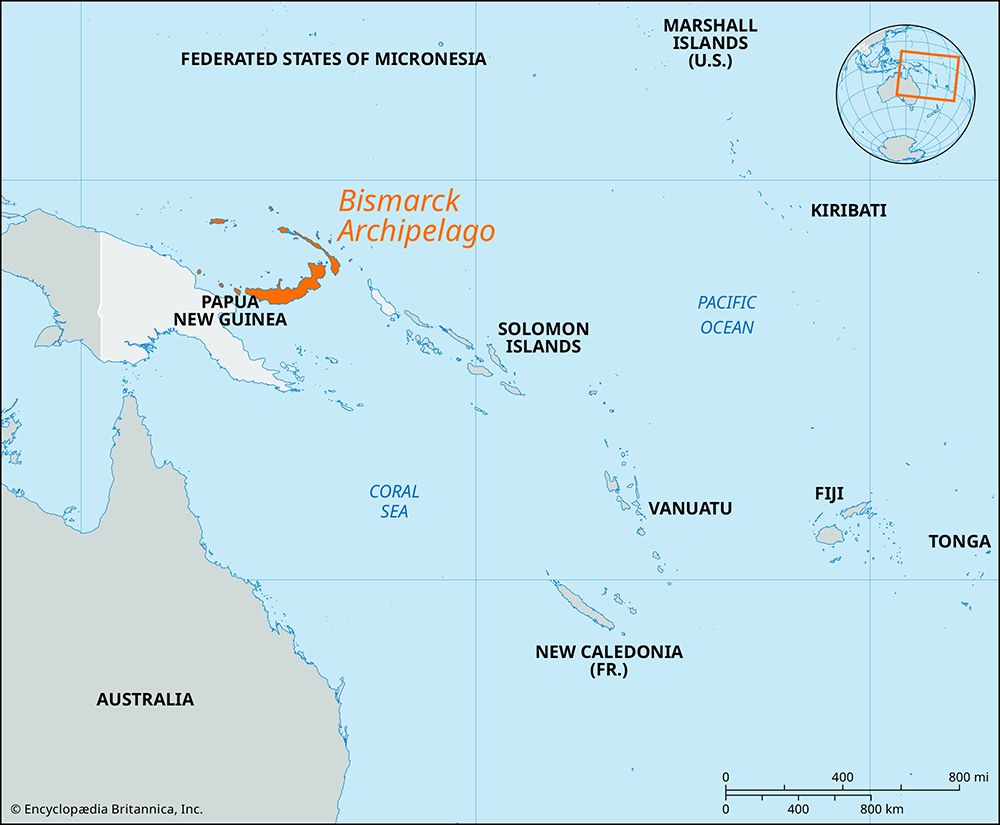
- Matrilineal descent: Prevalent in the Bismarck Archipelago, the Solomon Islands, and the Massim region.2
- Cognatic descent: A combination of both lines.2
Kinship obligations served as the ultimate moral imperative, with exchange systems—such as bridewealth—validating social relationships and marriage alliances.2
Leadership and Social Hierarchy
Many Melanesian societies featured the “Big Man” structure. Unlike hereditary rulers, a Big Man achieved status through personal prowess in oratory, gardening, warfare, and magic. Leaders solidified their influence by amassing goods and sponsoring major ceremonies, which often included elaborate music, dance, and public giveaways. Polygyny also played a role in these hierarchies, as it allowed prominent leaders to accumulate more labor and surplus resources.32
How do Melanesian cultures approach land ownership and resource management?
In traditional Melanesian societies, land is far more than an economic asset; it is a fundamental link to ancestral heritage and a core component of cultural identity. Approaches to land ownership and resource management are deeply rooted in the following principles:2
Corporate Ownership and Descent
Land is typically held as a corporate title by local kin groups, rather than by individuals. These groups are often defined by chains of descent from founding ancestors, with rights to land inherited through patrilineal, matrilineal, or cognatic systems. While the kin group maintains collective ownership of the land, individuals or domestic units generally hold specific rights to cultivate gardens and harvest trees. In coastal regions, this corporate title often extends to reefs and fishing grounds.4
Resource Management
- Horticulture: Traditional management relied on slash-and-burn horticulture, where land was cleared, farmed, and left fallow to recover. Techniques such as terracing, composting, and water control were developed to intensify production in specific areas.1
- Specialization: Resource management was often regional; coastal groups managed marine resources, while interior groups focused on root crops, leading to institutionalized trade networks where goods were bartered.1
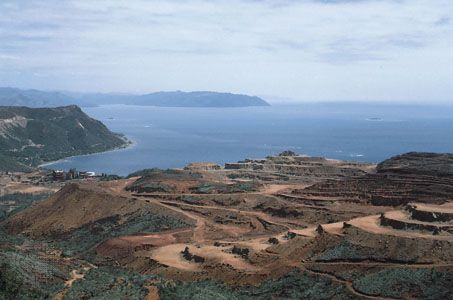
- Modern Context: Today, these traditional systems face pressure from global economic interests, such as mining and logging. In nations like Vanuatu, constitutional protections ensure that land remains with its indigenous custom owners, though tensions persist as foreign developers seek long-term leases.52
What are some unique aspects of Melanesian religious beliefs and practices?
Melanesian religious life is characterized by a profound integration of the spiritual and the everyday, where the boundary between the living and the ancestral world is fluid.
Ancestral Presence and Spiritual Forces
Melanesians traditionally maintain a strong orientation toward ancestors, who are viewed as active participants in daily life rather than distant figures. Success in vital human endeavors—such as warfare, gardening, and the pursuit of prestige—is believed to depend on the support of these invisible beings, which is elicited through prayer, sacrifice, and magical formulas.6
Key concepts in this worldview include:
- Mana: A term describing the efficacy or potency attributed to persons, spirits, or objects. It is not an impersonal force but is inextricably linked to the possession of power by specific beings or things.67
- Tapu: A system of sacred prohibitions or restrictions that designate certain people, places, or objects as off-limits.6
Rituals and Specialists
Religion and magic are often indistinguishable, with rituals frequently involving the performance of spells and the manipulation of special substances. Because these societies lack full-time religious specialists, community members often act as priests or magicians, performing rites for life-cycle events like birth, death, and initiation.68
Music and dance are central to these practices, serving as a “visual extension of rhythm” during ceremonies. Dancers often impersonate ancestral or mythical beings using elaborate masks and costumes, effectively becoming the spirits they represent.3
Cargo Cults
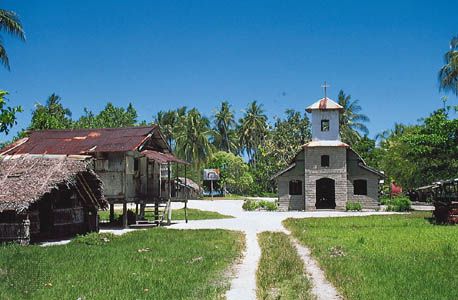
A unique phenomenon in Melanesian history is the emergence of cargo cults. These movements, which proliferated during the colonial era, were based on the belief that ancestors or supernatural beings would deliver vast quantities of Western material goods to indigenous peoples. These cults often involved the destruction of traditional resources and the construction of symbolic infrastructure, such as wharves or landing strips, to prepare for the arrival of this “cargo”.61
Sources
- Melanesian culture - Contemporary Melanesia — Encyclopædia Britannica
- Melanesian culture - Kinship and local groups — Encyclopædia Britannica
- Oceanic music and dance - Melanesia — Encyclopædia Britannica
- Melanesian culture - Production and technology — Encyclopædia Britannica
- Vanuatu - Cultural life — Encyclopædia Britannica
- Melanesian culture - Religion — Encyclopædia Britannica
- Mana — Encyclopædia Britannica
- cargo cult — Encyclopædia Britannica
- Papua New Guinea - Daily life and social customs — Encyclopædia Britannica
- ancestor worship — Merriam-Webster
Published on · 4 min read