North Cascades National Park
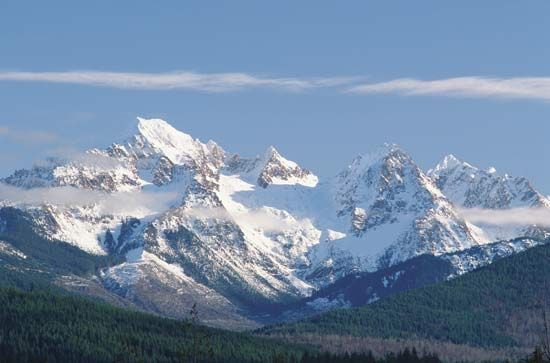
North Cascades National Park was established in 1968 to preserve the region's unique natural features, including its glaciers, alpine meadows, and rugged…
When was North Cascades National Park established, and what led to its creation?
North Cascades National Park was established in 1968 to preserve the region’s unique natural features, including its glaciers, alpine meadows, and rugged mountain scenery.1
The creation of the park was the result of a decades-long debate regarding land management. In 1905, the area became part of the federal national forest system, which allowed for multiple uses such as logging and mineral prospecting. Beginning around that same time, conservation groups advocated for stronger protections for the North Cascades, a movement that faced significant opposition from those who favored continued resource exploitation. This conflict intensified during the mid-1960s as the government weighed the decision to designate the region as a national park. Ultimately, the arguments of conservationists prevailed, leading to the enactment of the law that established the park and its associated recreation areas in 1968.1
What types of flora and fauna can be found in the park’s diverse ecosystems?
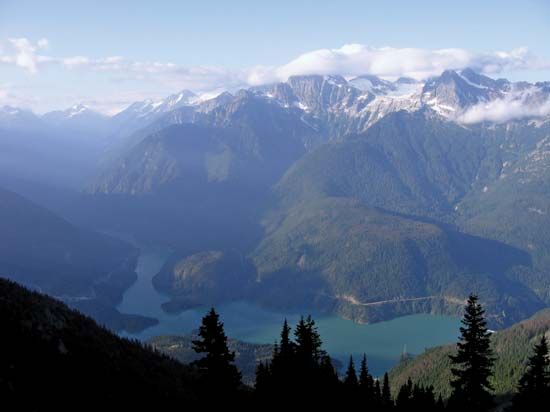
North Cascades National Park features a wide array of flora and fauna, supported by its varied topography and climate.
Flora
The park is home to more than 1,600 vascular plant species. Vegetation patterns are heavily influenced by moisture levels:
- Western Slopes: These wetter areas are dominated by hemlocks and Pacific silver firs, with ancient western red cedars found in the lower valleys.
- Eastern Slopes: The drier eastern side supports drought-resistant species, including Douglas firs, other firs, and pines.
- General Vegetation: Broad-leaved trees such as cottonwoods, poplars, alders, and willows grow along streams. Ferns are abundant in most habitats, while flowering plants like heather, campions, and daisies bloom from the valleys to high alpine meadows. Additionally, hundreds of mushroom species and various lichens thrive throughout the park.
Fauna
The park exhibits significant wildlife diversity:
- Mammals: Common species include mule deer, black-tailed deer, black bears, and various rodents like marmots, squirrels, and pikas. Less-common ungulates include elk and mountain goats. Predators such as pumas, lynx, bobcats, and occasional gray wolves or grizzly bears are also present.
- Birds: Over 200 species have been identified, including year-round residents like Steller’s jays and American dippers. A notable population of bald eagles winters along the Skagit River to hunt spawning salmon.
- Aquatic and Other Life: The park hosts anadromous and freshwater trout, various amphibians such as Pacific giant salamanders, and reptiles including painted turtles and snakes.
What are some popular recreational activities and attractions for visitors to North Cascades National Park?
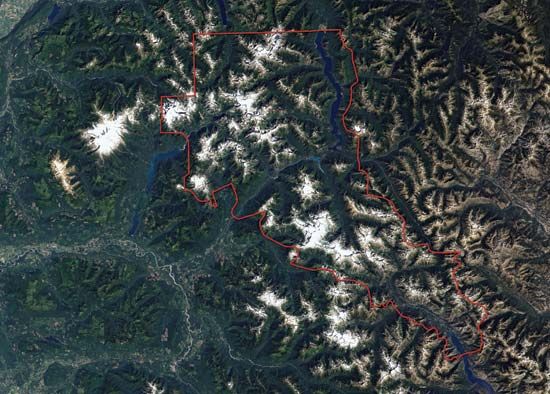
North Cascades National Park offers a variety of recreational opportunities, primarily centered on its rugged, wilderness landscape. Because the park is largely inaccessible by road, most visitors engage in activities that require hiking or specialized travel.
Popular Recreational Activities
- Hiking and Backpacking: The park is a premier destination for backpacking and day hiking. A network of trails provides the primary means of exploring the interior, and the [Pacific Crest National Scenic Trail](https://www.britannica.com/topic/Pacific- Crest-National-Scenic-Trail) traverses the far southern corner of the park’s south unit.1
- Climbing: The park’s steep, rugged terrain and high peaks—many reaching between 7,000 and 9,000 feet—are highly popular among mountaineers and rock climbers.1
- Water Sports: Boating, canoeing, and kayaking are common on the park’s large lakes, such as Ross Lake and Lake Chelan. Additionally, rafting is a popular activity on the Skagit and Stehekin rivers.1
- Winter Sports: During the winter months, trails that remain accessible are used for cross-country skiing.1
- Camping: The National Park Service maintains developed campsites in the Skagit valley and near Stehekin, along with more primitive sites throughout the Lake Chelan National Recreation Area and near the north end of Ross Lake.1
Key Attractions
- Scenic Landscapes: Visitors are drawn to the park’s “North American Alps” scenery, which includes glaciers, snowfields, alpine meadows, and cascading waterfalls.1
- Visitor Centers: The visitor center at Newhalem serves as a primary hub for information, while the center at Stehekin provides year-round access for those reaching the area via ferry or floatplane.1
What is the cultural and historical significance of North Cascades National Park to Native American tribes in the region?
The North Cascades region is situated within the traditional territories of various Native American peoples, particularly those associated with the Northwest Coast and interior Salishan groups. While the rugged, high-altitude terrain of the national park itself limited permanent large-scale settlement, the surrounding river valleys and lower elevations were integral to the cultural and economic lives of these tribes.
Historically, these groups organized themselves into highly stratified societies, often living in large, permanent villages near waterways. They maintained rights to specific upland territories, which included the mountain ranges and river systems now encompassed by the park. These areas provided essential resources, including fish—most notably salmon—as well as game, shellfish, and a variety of wild plant foods.
The cultural legacy of the region is deeply tied to the abundance of the environment, which supported the development of complex social structures, hereditary elites, and sophisticated artistic traditions, such as wood carving and basketry. The potlatch, a significant ceremonial feast, served as a vital mechanism for distributing wealth and reinforcing social status within these communities.
Sources
- North Cascades National Park — Encyclopædia Britannica
- biogeographic region - North American region — Encyclopædia Britannica
- Pacific mountain system - Plant life — Encyclopædia Britannica
- Washington - Sports and recreation — Encyclopædia Britannica
- Cascade Range — Encyclopædia Britannica
- Native American - The Northwest Coast — Encyclopædia Britannica
- Northwest Coast Indian — Encyclopædia Britannica
- Native American art - Northwest Coast — Encyclopædia Britannica
Published on · 4 min read