Norwegian Elkhound
The Norwegian elkhound is a hardy, medium-sized dog breed that originated thousands of years ago in western Norway. Historically, it served as an all-purpose…
What is Norwegian elkhound?
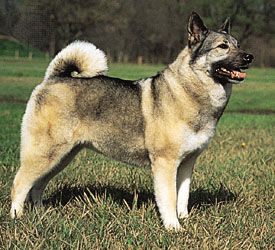
The Norwegian elkhound is a hardy, medium-sized dog breed that originated thousands of years ago in western Norway. Historically, it served as an all-purpose hunter, shepherd, guard, and companion, excelling at tracking European elk, bears, and lynx.12
Physically, the breed is characterized by a short, compact body, erect pointed ears, and a thick, smooth coat of black-tipped gray hairs. They typically stand 19 to 21 inches tall and weigh between 48 and 55 pounds, with a distinctive tail that curls high over the back. Classified within the hound group, the Norwegian elkhound is known for being a bold and energetic animal. Some historical accounts suggest the breed may have originated as early as 5000 BCE.132
What are the main differences between scent hounds and sight hounds?
The primary distinction between scent hounds and sight hounds lies in the sensory method they use to track and pursue game.
Scent Hounds
Scent hounds are bred and trained to track prey by following a scent trail, either in the air or on the ground. They are known for their remarkable olfactory abilities; for example, the Bloodhound possesses approximately 230 million scent receptors, far exceeding those of a human. Many scent hounds, such as Beagles, Basset Hounds, and Foxhounds, are traditionally worked in packs.456
Sight Hounds
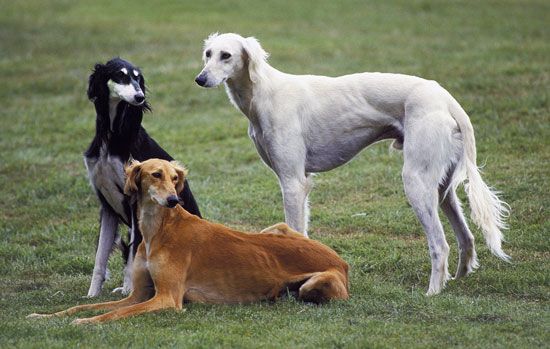
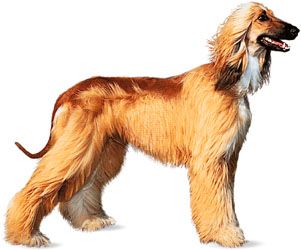
Sight hounds are developed to detect and chase game by sight over long distances. These dogs, which include breeds like the Saluki, Afghan Hound, and Greyhound, are often characterized by their speed and agility. Unlike many scent hounds, several sight hound breeds, such as the Borzoi, typically hunt or course alone.46
How did ancient dogs adapt to the cold climates of Scandinavia?
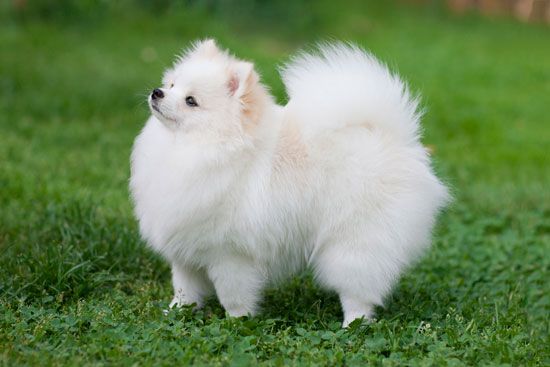
Ancient dogs in cold climates, such as those in Scandinavia, developed specialized physical traits to survive harsh, freezing conditions. These adaptations are most clearly seen in the group of northern dogs known as spitz breeds, which include the Norwegian elkhound.18
Key evolutionary adaptations include:
- Dense Double Coat: These dogs possess a very thick undercoat that traps body heat to provide insulation. The outer coat is designed to stand off from the body, effectively repelling water and ice.8
- Insulated Ears: Their ears are small, thick, and covered with fur. This structure helps insulate blood vessels against the cold, preventing frostbite.8
- Tail Function: The bushy, curled tail serves a practical purpose; when the dog sleeps curled in a ball, the tail covers its face and nose to warm the air before it is inhaled.8
- Foot Protection: Even the bottoms of their feet are well furred to provide protection against snow and ice.8
These physical characteristics, combined with their homeothermic nature—the ability to maintain a constant internal body temperature—allowed these ancient breeds to thrive in northern environments.89
What other dog breeds were historically used for hunting large game like bears?
Beyond the Norwegian elkhound, which is historically noted for its ability to hunt bears and lynx, other dogs were historically used in activities involving bears, though often in the context of “bearbaiting” rather than traditional hunting.
Bearbaiting, a practice popular from the 12th to the 19th century, involved setting dogs on a bear chained to a stake. This activity was considered a spectacle or “sport” rather than a hunt, and it was eventually banned in many countries due to its inhumane nature. While specific breeds were not always categorized as “bear hunters” in the same way they were for smaller game, the dogs used in these arenas were trained to seize the animal, often targeting the nose.1
It is important to note that the use of animals for such spectacles is widely recognized as cruel, and the shift toward ethical treatment of animals led to the permanent outlawing of these practices in England by 1835.1
Sources
- Norwegian elkhound — Encyclopædia Britannica
- dog - Hounds — Encyclopædia Britannica
- Norwegian elkhound — Merriam-Webster
- scent hound — Merriam-Webster
- Bloodhound — Encyclopædia Britannica
- hound — Encyclopædia Britannica
- sight hound — Merriam-Webster
- spitz — Encyclopædia Britannica
- dog - Ancestry — Encyclopædia Britannica
- What dog is closest in DNA to a wolf? — Encyclopædia Britannica
- Origins of agriculture - Earliest beginnings — Encyclopædia Britannica
- hunting - Dogs — Encyclopædia Britannica
- bearbaiting — Encyclopædia Britannica
- dog - Terriers — Encyclopædia Britannica
Published on · 3 min read