Pictured Rocks National Lakeshore
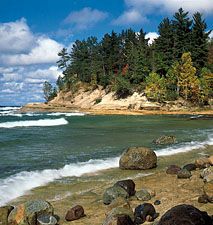
Pictured Rocks National Lakeshore offers a variety of outdoor activities centered around its diverse landscape of dunes, beaches, forests, and cliffs along…
What types of outdoor activities are popular at Pictured Rocks National Lakeshore?
Pictured Rocks National Lakeshore offers a variety of outdoor activities centered around its diverse landscape of dunes, beaches, forests, and cliffs along Lake Superior. Visitors can explore the area’s natural features, which include waterfalls, caves, and arches carved into the sandstone bedrock.1
Popular ways to experience the park include:
- Hiking: The North Country National Scenic Trail traverses the length of the lakeshore, providing access to the park’s varied terrain.1
- Sightseeing: Visitors can view the iconic, mineral-stained cliffs that rise 50 to 200 feet above the shoreline, as well as the historic Au Sable Light Station.1
- Exploring Natural Features: The park contains numerous beaches, such as Twelvemile Beach, and inland kettle lakes formed by glacial activity.1
- Wildlife Viewing: The forested areas and shoreline are home to diverse wildlife, including white-tailed deer, black bears, and various bird species.1
- Cultural and Maritime History: Guests can visit the maritime museum in Grand Marais to learn about the history of shipwrecks on Lake Superior.1
What kinds of wildlife and plant species can be found in the Pictured Rocks ecosystem?
The Pictured Rocks National Lakeshore ecosystem supports a diverse range of flora and fauna shaped by its unique landscape of forests, dunes, and shoreline.
Plant Life
The region is primarily covered by forests consisting of mixed northern hardwoods. Key tree species found throughout the area include:
- Fir
- Spruce
- Jack pine
- Hemlock1
Historically, the area featured significant stands of white pine, though these were logged to depletion during the early 1900s.1
Wildlife
The diverse habitats within the lakeshore, ranging from inland kettle lakes to dense forests, provide homes for various animal species, including:
- Mammals: White-tailed deer, black bears, and snowshoe hares.1
- Birds: Grouse, as well as various species of ducks and geese.1
Are there any lighthouses or historic buildings within Pictured Rocks National Lakeshore?
Yes, Pictured Rocks National Lakeshore features significant historic structures that reflect the area’s maritime heritage:
- Au Sable Light Station: Built in 1874, this historic lighthouse is located along the lakeshore near the Twelvemile Beach area.1
- Maritime Museum: Situated in Grand Marais at the northeastern end of the park, this museum preserves the history of the region and features exhibits detailing the many shipwrecks that have occurred on Lake Superior.1
These sites provide a glimpse into the human history of the region, which was once known by the Ojibwa people as the land of “thunder and the gods” and later served as a setting for Henry Wadsworth Longfellow’s famous poem, The Song of Hiawatha.1
Where exactly is Pictured Rocks National Lakeshore located in Michigan?
Pictured Rocks National Lakeshore is located along the southern shore of Lake Superior in the Upper Peninsula of Michigan, U.S.1
The park extends approximately 40 miles (65 km) northeast of the city of Munising and reaches a maximum width of about 6 miles (10 km). The lakeshore encompasses a 114-square-mile (296-square-km) area, with its northeastern terminus located near the community of Grand Marais.1
Sources
- Pictured Rocks National Lakeshore — Encyclopædia Britannica
Published on · 2 min read