Pikes Peak
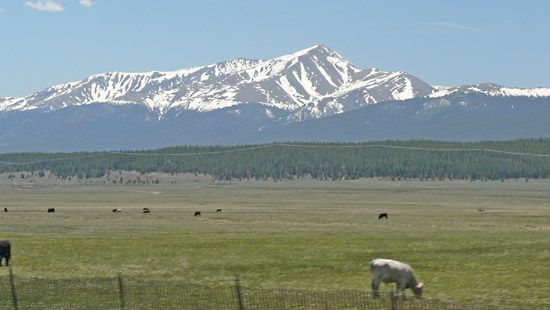
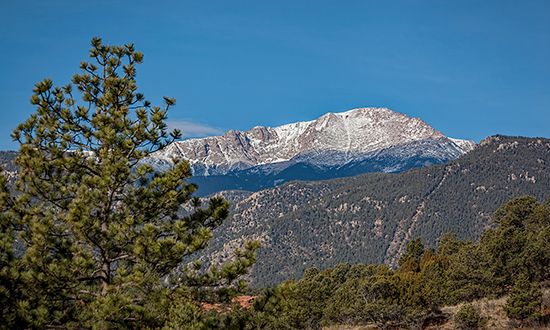
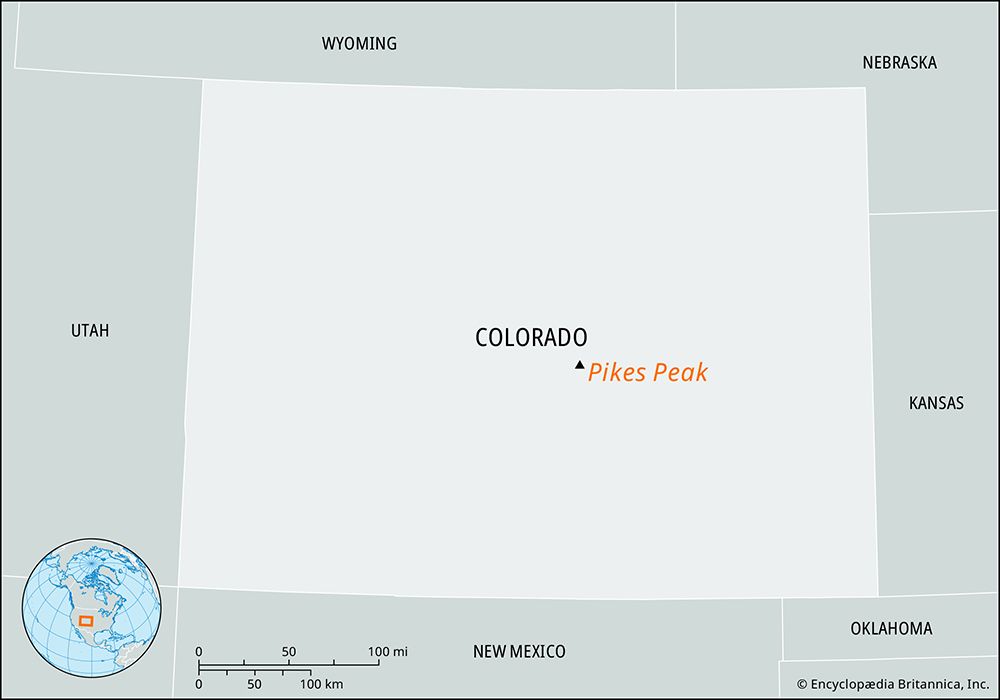
Pikes Peak has an elevation of 14,115 feet (4,302 meters). Within the state of Colorado, it ranks 32nd in elevation among the state's peaks.
What is the elevation of Pikes Peak and how does it compare to other mountains in Colorado?
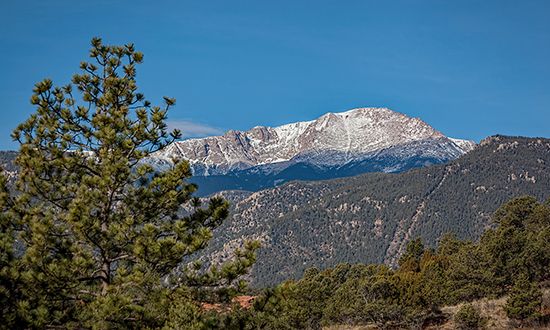
Pikes Peak has an elevation of 14,115 feet (4,302 meters). Within the state of Colorado, it ranks 32nd in elevation among the state’s peaks.12
To provide context for its height, Colorado is home to approximately 53 peaks that exceed 14,000 feet in elevation. While Pikes Peak is a prominent and well-known summit, it is not the highest in the state; that distinction belongs to Mount Elbert, which reaches 14,440 feet (4,401 meters). Within its own range, the Front Range, Pikes Peak is surpassed by other summits such as Grays Peak (14,278 feet) and Mount Evans (14,265 feet).32
Despite not being the tallest mountain in the region, Pikes Peak is widely recognized for its commanding location near Colorado Springs and its accessibility, featuring a paved road to the summit.12
Can you describe the famous Pikes Peak International Hill Climb event?
The Pikes Peak International Hill Climb is a prestigious annual automobile race held each summer, typically in late June, on the slopes of Pikes Peak in Colorado.41
As a premier example of a hill climb, the event challenges drivers to navigate a winding mountain course where they race individually against the clock rather than head-to-head. The competition is renowned for its rigorous demands on vehicle performance, particularly testing the durability of tires and the low gears of a car’s transmission.4
The race features a diverse array of vehicles, including sports cars, antiques, classics, and stock cars, all of which must adhere to strict safety regulations. Because the course involves navigating winding curves and challenging road surfaces at high altitudes, it remains one of the most iconic tests of automotive power and driver skill in the United States.41
How do people typically access Pikes Peak today, and what activities can visitors enjoy there?
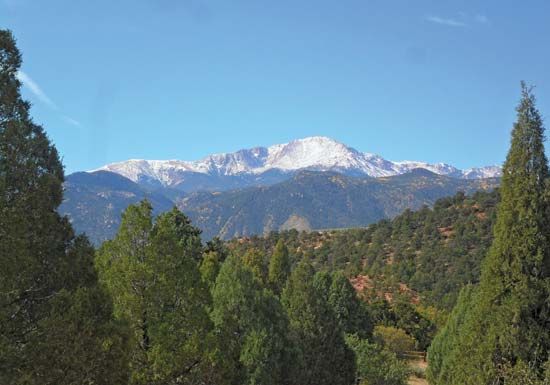
Visitors can access the summit of Pikes Peak through three primary methods: by trail, via the cog railway, or by driving along an 18-mile toll road.1
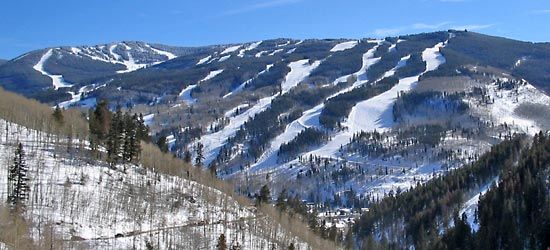
Once at the summit, which features a fairly level area of approximately 60 acres, visitors can enjoy a variety of activities. The mountain is a popular destination for outdoor recreation, including hiking and climbing. During the winter months, the area provides conditions suitable for skiing, particularly on the northern and southern slopes. Additionally, the mountain serves as a venue for various athletic events, such as running and bicycling contests, as well as the famous Pikes Peak International Hill Climb, an annual automobile race.1
Beyond these activities, the summit is historically significant as the location that inspired Katharine Lee Bates to write the poem “America the Beautiful” in 1893.1
What is the ‘Pikes Peak or Bust’ Gold Rush, and how did it impact the region?
The “Pikes Peak or bust” gold rush was a significant mid-19th-century migration triggered by the discovery of gold along the South Platte River in 1858. As news of the discovery reached the eastern United States in 1859, thousands of prospectors adopted the motto “Pikes Peak or bust” and flocked to the region in search of wealth.56
The impact of this gold rush on the region was profound and multifaceted:
- Urban Development: The influx of prospectors led to the rapid founding and growth of numerous towns, including Central City, Black Hawk, Gold Hill, and Cripple Creek. Denver also grew significantly during this period, eventually becoming the territorial capital.51
- Economic Shifts: While many prospectors failed to find their “bonanza,” the mining boom spurred the development of new industries. Food shortages during the rush led pioneers to initiate large-scale irrigation, which became a cornerstone of the regional economy.7
- Social and Political Change: The rapid settlement necessitated the creation of civil and criminal codes in mining districts. The era also coincided with the establishment of the Colorado Territory in 1861.51
- Conflict: The mining boom fueled open conflict with Native American peoples, leading to events like the Sand Creek Massacre and the eventual forced relocation of tribes such as the Cheyenne and Arapaho to reservations.51
Sources
- Pikes Peak — Encyclopædia Britannica
- Colorado - Relief and drainage — Encyclopædia Britannica
- Front Range — Encyclopædia Britannica
- hill climb — Encyclopædia Britannica
- Colorado - The U.S. territory — Encyclopædia Britannica
- Denver — Encyclopædia Britannica
- Colorado - Economic and social growth — Encyclopædia Britannica
Published on · 3 min read