Popa Hill
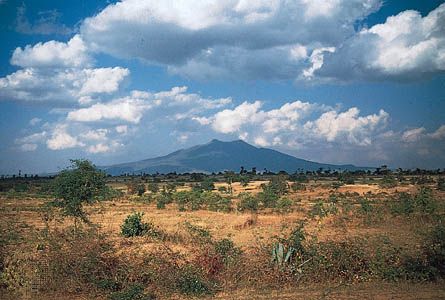
Popa Hill is an extinct volcano located in central Myanmar (Burma) at the northern end of the Pegu Mountains. As the highest point in the range, it reaches…
What is Popa Hill?
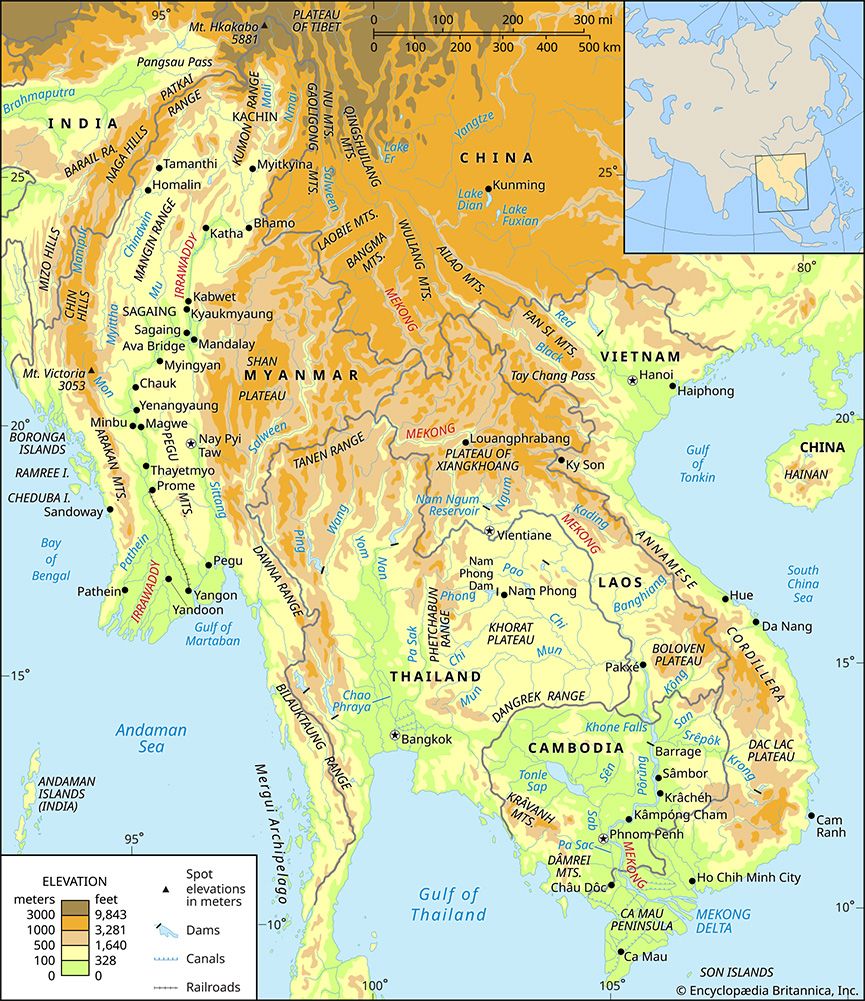
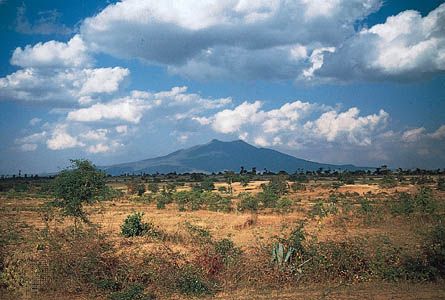
Popa Hill is an extinct volcano located in central Myanmar (Burma) at the northern end of the Pegu Mountains. As the highest point in the range, it reaches an elevation of 4,981 feet (1,518 meters) and features a crater that is one mile wide.1
Beyond its geological significance, the site holds deep cultural importance; it is traditionally believed to be the home of the 37 nats, or spirits, central to Burmese local religion.1
What are the 37 nats in Burmese culture?
In Burmese folk religion, nats are a group of spirits central to a widespread, pre-Buddhist cult. While there are various types of nats—including nature, hereditary, and village spirits—the most prominent group is collectively known as the “thirty-seven”.2
These thirty-seven nats are primarily defined as the spirits of human beings who suffered violent deaths. They are believed to possess the power to protect those who properly propitiate them, while potentially causing harm if they are offended or ignored.2
Key aspects of this belief system include:
- Governance: The group is led by Thagya Min, a figure associated with the Indian god Indra.2
- Worship: Nats are appeased through offerings of food and flowers during important occasions. Festivals are also held in their honor, such as those for the Taungbyon brothers.2
- Sacred Sites: Popa Hill is traditionally considered the home of these thirty-seven spirits.1
- Cultural Integration: Despite the influence of Buddhism, the cult remains a powerful force in daily life, with many households maintaining specific shrines, such as a coconut hung for the house nat, Min Mahagir.2
How do volcanoes form and become extinct?
Volcanoes form primarily through plate tectonic activity, which facilitates the movement of heat from Earth’s interior to the surface via magma.4
How Volcanoes Form
Most volcanoes are created at the margins of tectonic plates. When one plate subducts beneath another, intense pressure squeezes water from the sinking plate, melting nearby rock to form magma. Because this magma is buoyant, it rises through the crust, collecting in chambers before erupting through surface vents.45
Volcanoes also form in other settings:
- Oceanic Ridges: As plates move apart, magma wells up from the mantle to create new ocean floor.6
- Hotspots: Far from plate boundaries, rising magma can melt through the crust, as seen in the Hawaiian Islands seen in the Hawaiian Islands.46
Becoming Extinct
Volcanoes are categorized based on their activity levels. A volcano is considered active if it has erupted within the last 10,000 years, while a dormant volcano is an active one that could erupt again. A volcano reaches the extinct stage when it has not erupted for over 10,000 years and is considered unlikely to erupt in the future.7
What are the Pegu Mountains known for?
The Bago Mountains (also known as the Pegu Mountains) are a mountain range in south-central Myanmar that extend 270 miles north-south between the Irrawaddy and Sittang rivers.9
The range is known for several key characteristics:
- Geography and Elevation: The mountains average about 2,000 feet in elevation and reach their highest point at Popa Hill, an extinct volcano standing at 4,981 feet.9
- Natural Resources: The eastern portion of the range is a source for the extraction of teak and other tropical hardwoods.9
- Agriculture: Ethnic minorities living in the hills practice shifting agriculture, cultivating crops such as upland rice, corn, and millet.9
- Historical Context: During the 1960s, the range served as a refuge for communist insurgents.9
- Topography: The southern extremities of the mountains help form the sides of the Irrawaddy River delta.10
Sources
- Popa Hill — Encyclopædia Britannica
- nat — Encyclopædia Britannica
- Southeast Asian arts - 6th–11th century — Encyclopædia Britannica
- What Causes a Volcano to Erupt? — Encyclopædia Britannica
- volcano - Major types — Encyclopædia Britannica
- Are Volcanoes Dangerous When They’re Not Erupting? — Encyclopædia Britannica
- volcanism — Encyclopædia Britannica
- plate tectonics - Island arcs — Encyclopædia Britannica
- Bago Mountains — Encyclopædia Britannica
- Irrawaddy River - Physiography — Encyclopædia Britannica
- Pegu — Encyclopædia Britannica
- Peguan — Merriam-Webster
- Myanmar - The Mon — Encyclopædia Britannica
Published on · 3 min read