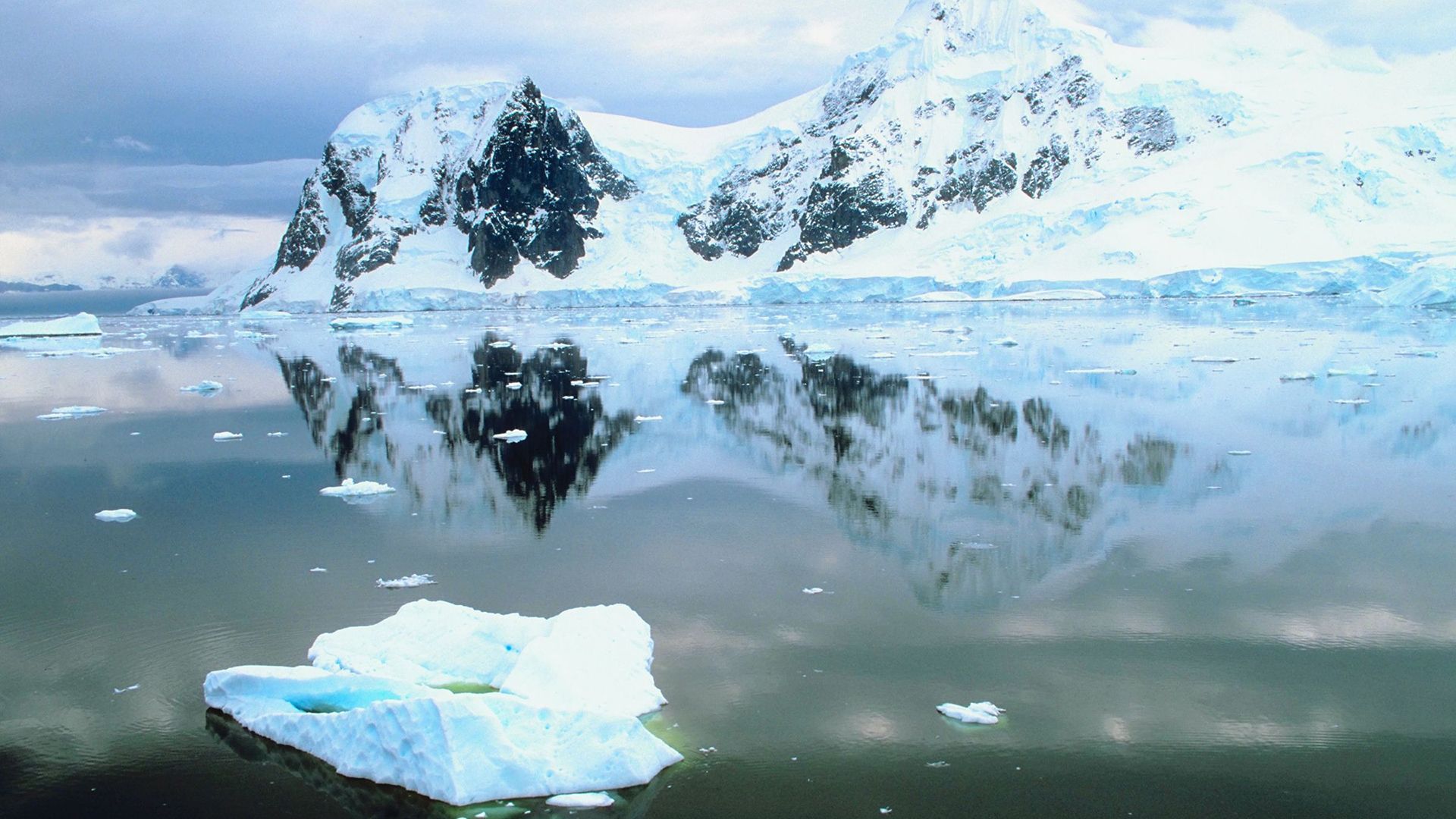
Queen Maud Mountains
The Queen Maud Mountains are a subdivision of the Transantarctic Mountains located in central Antarctica. Extending approximately 500 miles (800 km)…
What is Queen Maud Mountains?
The Queen Maud Mountains are a subdivision of the Transantarctic Mountains located in central Antarctica. Extending approximately 500 miles (800 km) southeast from the head of the Ross Ice Shelf, this rugged, glacier-studded range features several peaks exceeding 13,000 feet (4,000 meters) in elevation.1
The range was discovered in 1911 by the Norwegian explorer Roald Amundsen, who named the mountains in honor of the queen of Norway. In addition to their dramatic topography, the mountains are notable for containing extensive coal reserves.1
What are the Transantarctic Mountains?
The Transantarctic Mountains are a major mountain system that divides the Antarctic continent into two distinct regions: East Antarctica and West Antarctica. Stretching more than 2,000 miles (3,200 km) from Victoria Land to the Weddell Sea, this system serves as a structural boundary, or horst, between the stable Precambrian shield of the east and the younger mobile belt of the west.23
The range is largely covered by ice sheets and glaciers, with its highest point, Mount Kirkpatrick, reaching 14,856 feet (4,528 meters) within the Queen Maud Mountains2. Other significant subdivisions include the Shackleton, Pensacola, Horlick, Queen Alexandra, Britannia, Prince Albert, Dufek, and Admiralty ranges.2
Geologically, the mountains are significant for their extensive coal reserves and fossilized remains of ancient amphibians, reptiles, and dinosaurs, which provide evidence of the continent’s warmer past.23
How did Roald Amundsen reach the South Pole?
Roald Amundsen reached the South Pole by meticulously planning his expedition and utilizing sled dogs for transport, a strategy that proved more effective than the ponies used by his rival, Robert Falcon Scott.5
After sailing the ship Fram to the Bay of Whales in Antarctica, Amundsen established a base 60 miles closer to the pole than Scott’s expedition. He prepared for the journey by depositing food supplies along the initial route. On October 19, 1911, he set out with four companions, 52 dogs, and four sledges. Benefiting from favorable weather, the team arrived at the South Pole on December 14, 1911. They recorded scientific data before successfully returning to their base on January 25, 1912.5
What is the climate like in Antarctica?
Antarctica is the coldest, highest, windiest, driest, and iciest continent on Earth, characterized by a snow and ice climate (EF in the Köppen classification) where temperatures remain below freezing throughout the year.67
Temperature and Precipitation
The continent holds the record for the lowest surface temperature ever recorded: −89.2 °C (−129 °F) at Vostok Station. While the Antarctic Peninsula is the warmest region due to maritime influences, the interior polar plateau experiences extreme cold, with mean winter temperatures ranging from −40 °C to −70 °C (−40 °F to −94 °F). Despite being covered in ice, Antarctica is a desert; annual precipitation is very low, averaging about 2 inches (50 mm) of liquid water equivalent over the interior, with higher amounts falling along the coast.78
Wind and Atmospheric Conditions
Antarctica is famous for its fierce katabatic winds, which occur when cold, dense air flows down from the interior highlands toward the coast, sometimes reaching speeds of 200 miles (322 km) per hour. These winds create localized “blizzards” even when no snow is falling.68
Sources
- Queen Maud Mountains — Encyclopædia Britannica
- Transantarctic Mountains — Encyclopædia Britannica
- Prince Albert Mountains — Encyclopædia Britannica
- Antarctica - Structural framework — Encyclopædia Britannica
- Roald Amundsen — Encyclopædia Britannica
- 16 Questions About Earth’s Atmosphere and Weather Answered - Where is the windiest place on Earth? — Encyclopædia Britannica
- iceberg - Impacts on ice sheets and sea level — Encyclopædia Britannica
- Snow and ice climate — Encyclopædia Britannica
- Antarctica - Climate of Antarctica — Encyclopædia Britannica
Published on · 2 min read