Teak
Teak (Tectona grandis) is highly valued as one of the world's most durable timbers, prized for its strength, medium weight, and exceptional dimensional…
What are the main uses of teak wood in furniture, construction, and other industries?
Teak (Tectona grandis) is highly valued as one of the world’s most durable timbers, prized for its strength, medium weight, and exceptional dimensional stability. Its heartwood is particularly sought after because it is rarely attacked by termites.1
Primary Uses
Teak is utilized across various sectors due to its longevity and resistance to decay:
- Construction: The wood is frequently used for door and window frames, flooring, paneling, bridges, and wharves. Its durability is such that beams in buildings, palaces, and temples have remained in good condition for over 1,000 years.1
- Shipbuilding: Teak is a traditional material for shipbuilding, though it is noted that the wood is not completely resistant to marine borers.12
- Furniture and Decor: It is widely used for fine furniture, railway cars, and venetian blinds.12
- Industrial Applications: The timber is also employed for cooling-tower louvres.1
Because the wood is practically imperishable when kept under cover, it remains a premier choice for high-quality craftsmanship and structural longevity.1
What are the unique characteristics and physical properties of teak wood?
Teak (Tectona grandis) is widely considered one of the most valuable timbers due to its unique physical properties and extraordinary durability.
Physical Characteristics
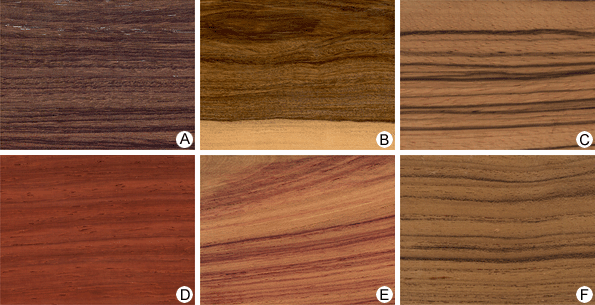
The wood is characterized by a beautiful golden-yellow color when unseasoned, which darkens to a brown shade with mottled, darker streaks upon seasoning. A defining feature of the timber is its pleasant, strong aromatic fragrance, which it retains to a great age.1
Key Properties
Teak is prized for several technical attributes that make it ideal for demanding applications:
- Durability: The timber is practically imperishable when kept under cover, with historical examples of beams in palaces and temples remaining in good condition for over 1,000 years.1
- Dimensional Stability: It possesses extremely good dimensional stability, meaning it is less prone to warping or shrinking.1
- Resistance: While the sapwood is susceptible to termites, the heartwood is rarely attacked by them. However, it is not completely resistant to marine borers.1
- Mechanical Strength: It is strong, of medium weight, and of average hardness.1
How tall can teak trees grow, and what is their average lifespan?
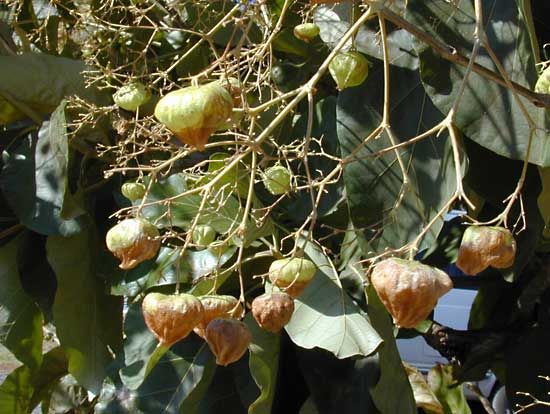
Teak trees (Tectona grandis) are large, deciduous trees that can reach a mature height of up to 46 meters (150 feet).1
Regarding their lifespan, teak is a remarkably long-lived species. In natural forests, trees that have reached a girth of approximately 2 meters (6.5 feet) and a diameter of 0.6 meters (2 feet) are typically at least 100 years old, and many exceed 200 years of age. The wood itself is exceptionally durable, with historical evidence showing that teak beams used in palaces and temples have remained in good condition for more than 1,000 years.1
Where is teak naturally found, and in which regions is it commercially grown?
Teak (Tectona grandis) is naturally native to the forests of India, Myanmar, and Thailand. Additionally, natural stands of the tree are found in the Philippines, Indonesia, Laos, and other parts of the Malay Archipelago.
Regarding commercial production, Myanmar currently supplies the majority of the world’s teak, followed by Indonesia, India, and Thailand. Beyond its native range, teak is also cultivated in plantations across Africa, Central America, and South America to meet global demand.11
Sources
- Teak — Encyclopædia Britannica
- teak — Merriam-Webster
- Southeast Asia - Plant life — Encyclopædia Britannica
Published on · 3 min read