Pyramid Lake
Pyramid Lake, located in western Nevada, is home to two notable fish species:
What types of fish species can be found in Pyramid Lake?
Pyramid Lake, located in western Nevada, is home to two notable fish species:
- Lahontan cutthroat trout (Oncorhynchus clarki henshawi): This species is well-known in the region and is a primary feature of the lake’s ecosystem.1
- Cui-ui (Chasmistes cujus): An endangered member of the sucker family (Catostomidae), this fish is found exclusively in Pyramid Lake and the Truckee River. Historically, it served as a vital food source for the Paiute people.12
What Native American tribe is associated with Pyramid Lake, and how does the lake feature in their culture?
Pyramid Lake is located within the Pyramid Lake Indian Reservation and is home to the Paiute people.
The lake holds significant cultural and historical importance for the Paiute, primarily as a traditional source of sustenance. The endangered cui-ui (Chasmistes cujus), a fish species found exclusively in the lake and the Truckee River, historically served as a vital food source for the tribe.1
What is the size and depth of Pyramid Lake compared to other lakes in Nevada?
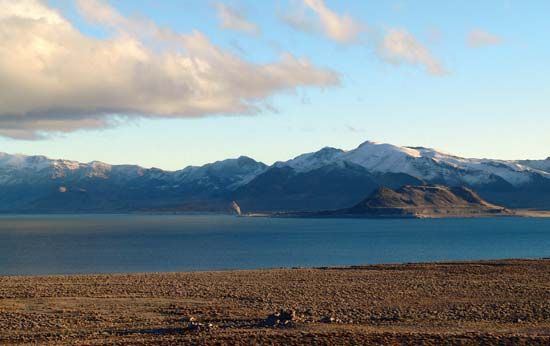
Pyramid Lake is the largest natural lake in the state of Nevada. It measures approximately 30 miles (48 km) in length and 7 to 9 miles (11 to 14 km) in width.1
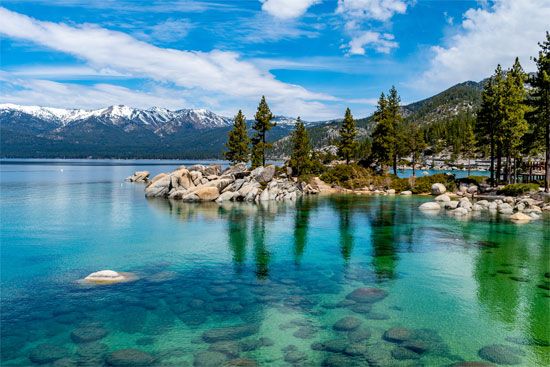
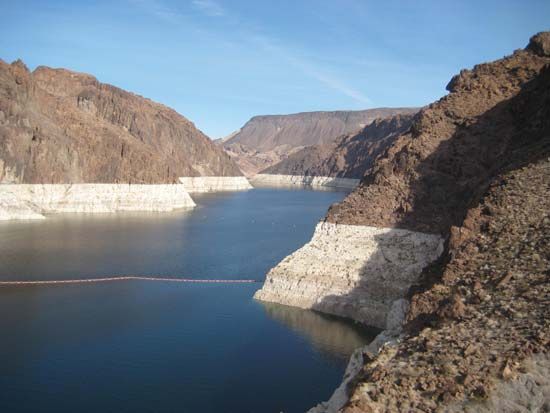
While Pyramid Lake holds the title for the largest natural lake entirely within Nevada, it is distinct from Lake Tahoe, which sits on the California-Nevada border. Lake Tahoe is significantly deeper, with a maximum depth of 1,640 feet (500 meters), whereas the provided search results do not specify a maximum depth for Pyramid Lake. Additionally, while Lake Mead is a massive body of water in Nevada, it is an impounded reservoir created by the Hoover Dam rather than a natural lake.134
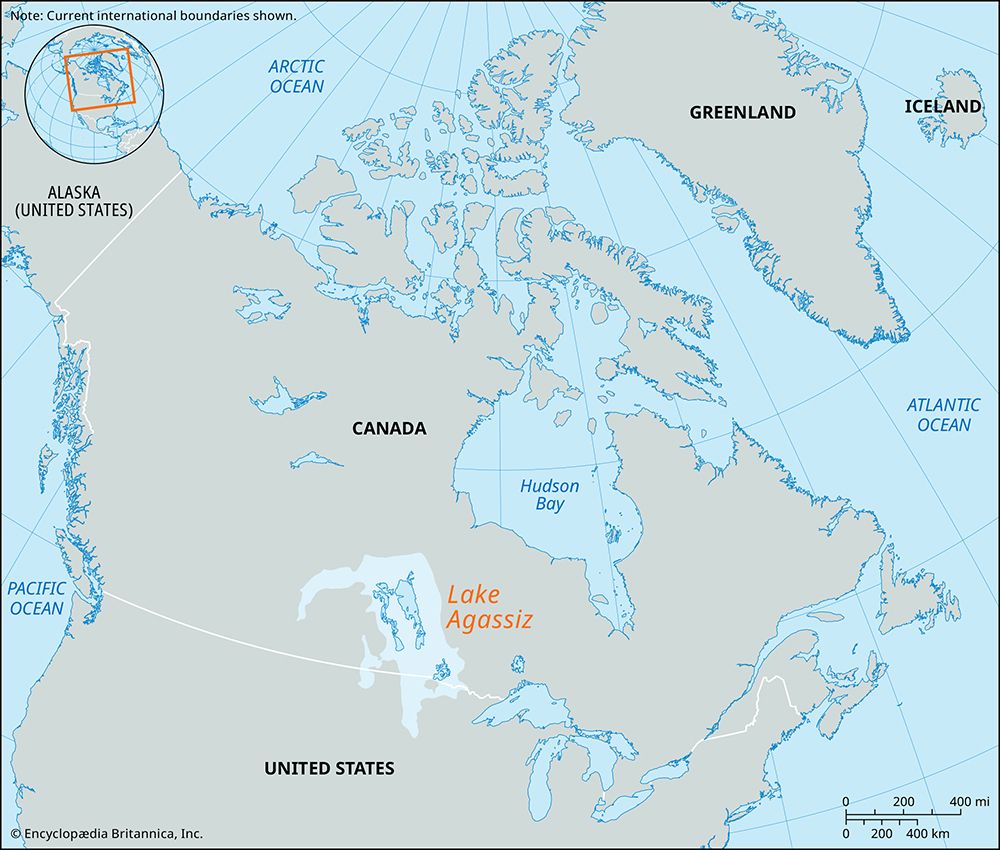
Pyramid Lake, along with Walker and Winnemucca lakes, remains a remnant of the ancient Lake Lahontan, a testament to the region’s geological history.14
How does Pyramid Lake get its name, and what unique features does it have?
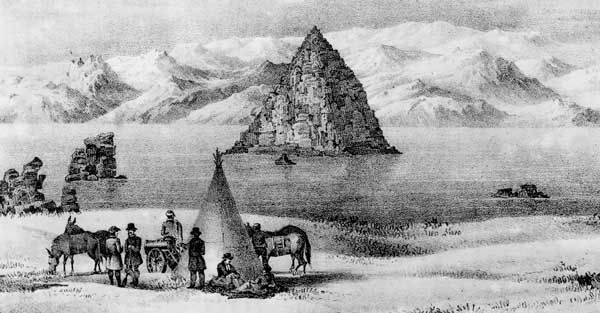
Pyramid Lake derives its name from the explorer John C. Frémont, who visited the site in 1844. He named the lake after its largest volcanic island, which he noted resembled the Great Pyramid of Cheops, estimating its height at 600 feet above the water.1
The lake possesses several unique features:
- Geological Origins: It is a remnant of the ancient Lake Lahontan, formed during the Pleistocene Epoch.1
- Endemic Wildlife: The lake is home to the endangered cui-ui (Chasmistes cujus) and is known for the Lahontan cutthroat trout.1
- Anaho Island: This island serves as a national wildlife refuge established in 1913. It is a critical sanctuary for various waterfowl, including cormorants, great blue herons, and seagulls, and is one of only eight nesting sites for white pelicans in the western United States.1
Sources
- Pyramid Lake — Encyclopædia Britannica
- cui-ui — Merriam-Webster
- Lake Tahoe — Encyclopædia Britannica
- Pyramid Lake — Merriam-Webster
- Nevada - Drainage — Encyclopædia Britannica
Published on · 2 min read