Lake Mead
The Hoover Dam and Lake Mead are intrinsically linked: the dam, constructed between 1930 and 1936, impounds the Colorado River to create the reservoir known…
How does the Hoover Dam relate to Lake Mead?
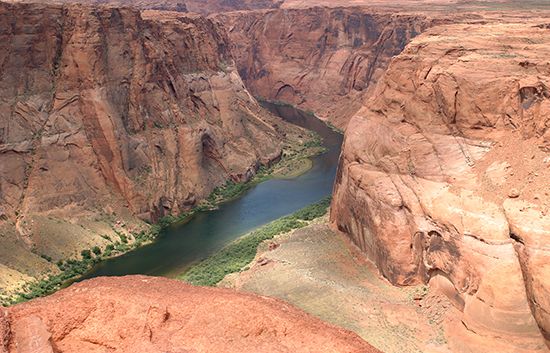
The Hoover Dam and Lake Mead are intrinsically linked: the dam, constructed between 1930 and 1936, impounds the Colorado River to create the reservoir known as Lake Mead.12
As the reservoir for the dam, Lake Mead serves several critical functions facilitated by the structure’s engineering:
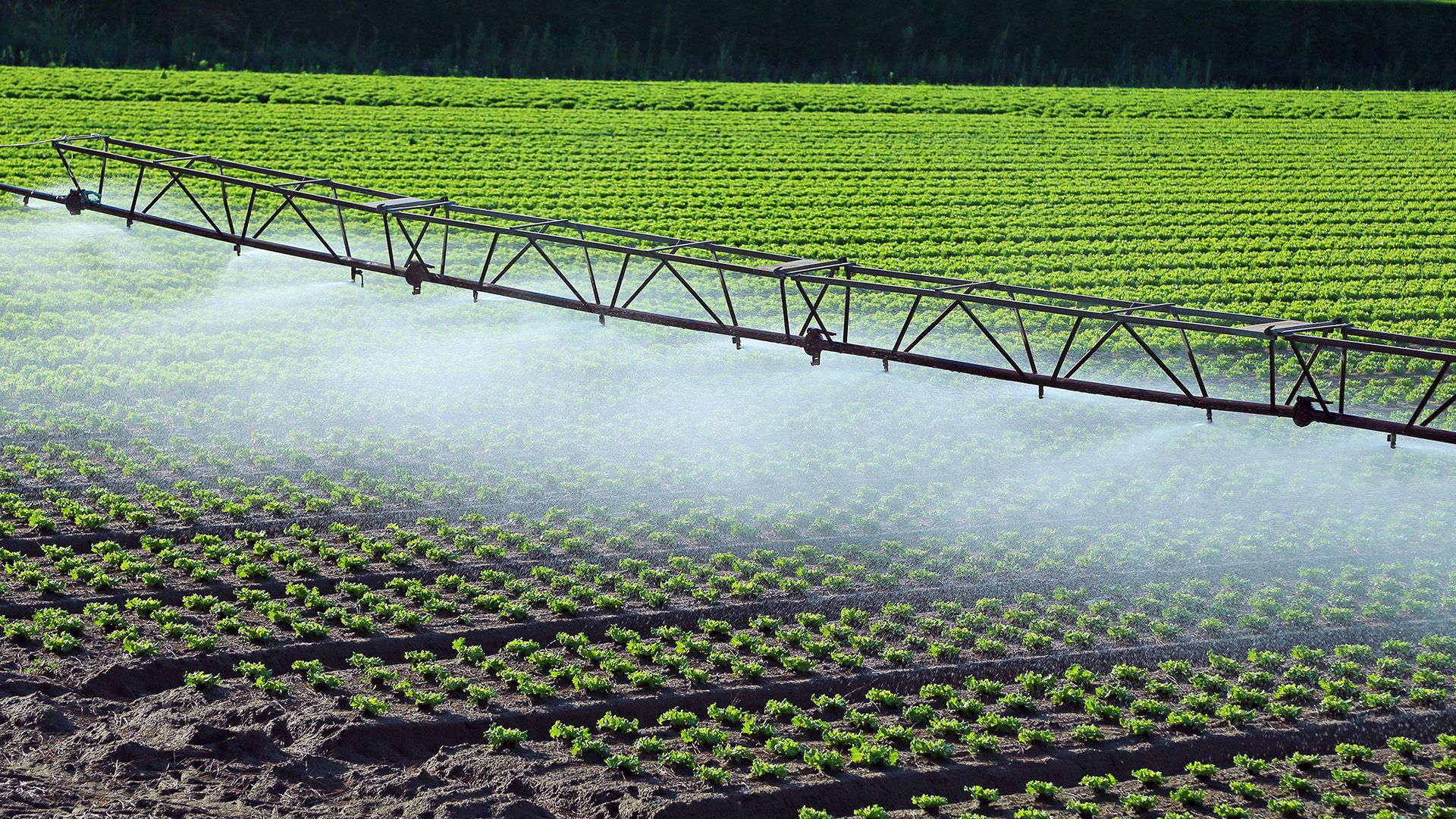
- Water Management: The dam allows for flood and silt control, while the reservoir provides a vital water supply for approximately 25 million people and supports extensive agricultural irrigation 25 million people and supports extensive agricultural irrigation.23
- Energy Production: Intake towers at the dam divert water from Lake Mead into penstocks, which drive hydroelectric power turbines at the base of the dam to generate electricity for the southwestern United States.2
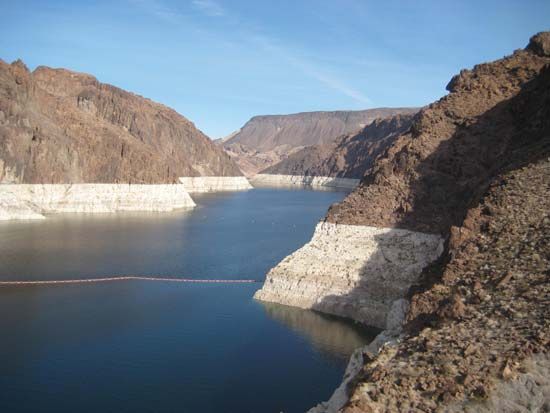
Both the dam and the reservoir are managed by the U.S. Bureau of Reclamation. Due to ongoing drought conditions, the relationship between the two has become a focal point for water conservation efforts and interstate agreements to manage the reservoir’s declining levels.213
What recreational activities are popular at Lake Mead?
The Lake Mead National Recreation Area is a popular destination that attracts approximately eight million visitors annually. The area is specifically designed to support a variety of outdoor pursuits, primarily centered around its extensive shoreline and water access.1
Key recreational activities include:
- Water Sports: The recreation area operates four marinas that facilitate various water-based activities.1
- Fishing: The lake is a well-known location for anglers, with facilities provided to support fishing enthusiasts.1
It is important to note that environmental factors have impacted these activities. Due to an extended drought and declining water levels, many boat ramps have been closed or restricted to small, shallow-hull vessels, which may affect the accessibility of certain water sports.1
How has the water level of Lake Mead changed over time, and what are the reasons for these changes?
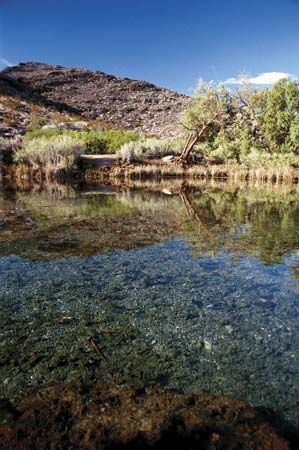
Since 1999, Lake Mead has experienced a significant and unprecedented decline in water levels, reaching a historic low in 2022. While the reservoir was near capacity in the summers of 1983 and 1999, satellite data indicates that the water level dropped by approximately 120 feet (37 meters) between 2000 and 2015.13
This decline is driven by two primary factors:
- Extended Drought: A multiyear drought in the American Southwest has severely reduced the inflow of water into the reservoir.13
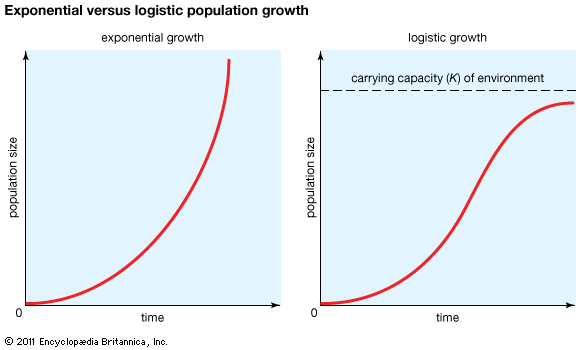
- Increasing Demand: Rapid population growth and the needs of major agricultural centers have placed immense pressure on the Colorado River water supply, which serves approximately 25 million people across seven states.13
In response to these conditions, the U.S. Bureau of Reclamation has implemented critical measures, including the use of low-level pumps constructed in 2020 and the development of the Colorado River Deal, an interstate agreement aimed at conserving 3,000,000 acre-feet of water through 2026.13
What is Lake Mead and where is it located?
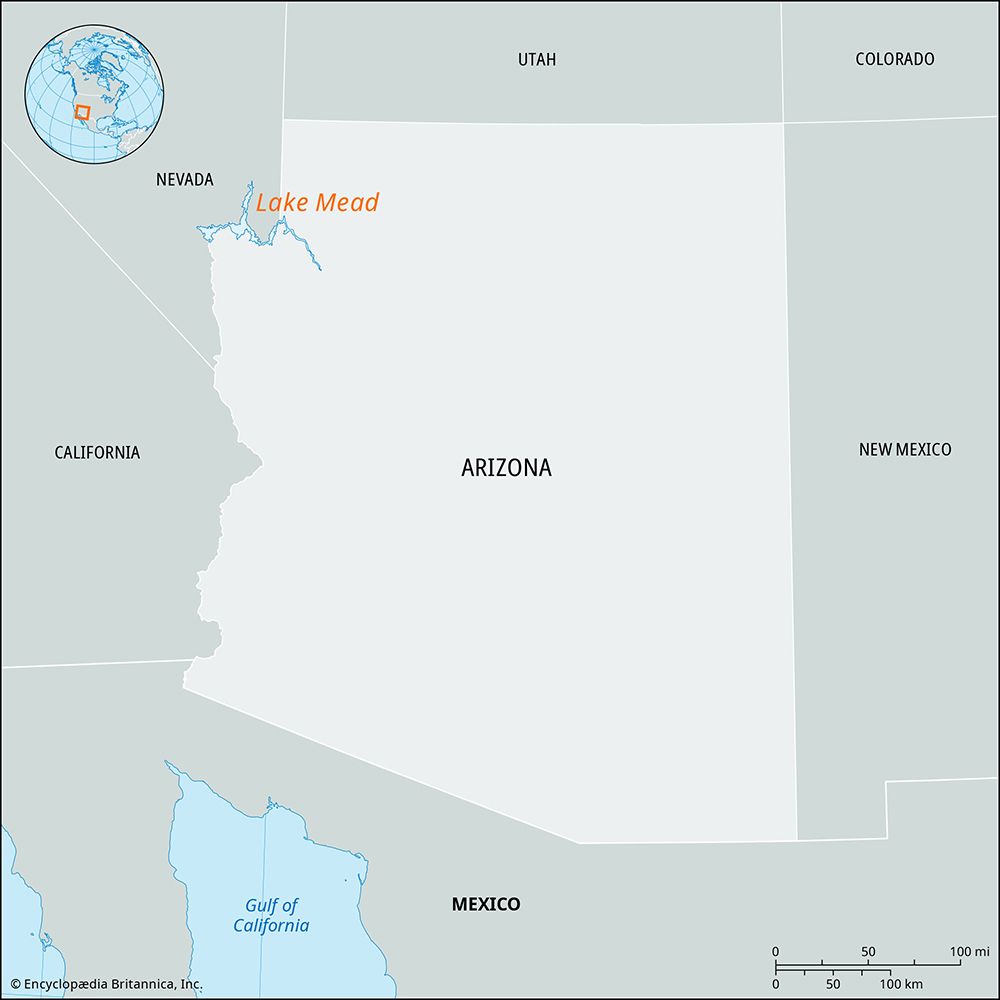
Lake Mead is one of the world’s largest constructed reservoirs, formed by the damming of the Colorado River via the Hoover Dam. Located on the border of Arizona and Nevada, it sits approximately 25 miles east of Las Vegas.
The reservoir extends 115 miles upstream and serves as a vital water source for roughly 25 million people. It is the centerpiece of the Lake Mead National Recreation Area, which was the first area of its kind designated by the U.S. Congress. Named after Elwood Mead, a former commissioner of reclamation, the lake is managed by the U.S. Bureau of Reclamation and remains a significant site for both water supply and outdoor recreation, despite recent challenges regarding water levels.
Sources
- Lake Mead — Encyclopædia Britannica
- Hoover Dam — Encyclopædia Britannica
- 6 Lakes That Are Drying Up - Lake Mead — Encyclopædia Britannica
Published on · 3 min read