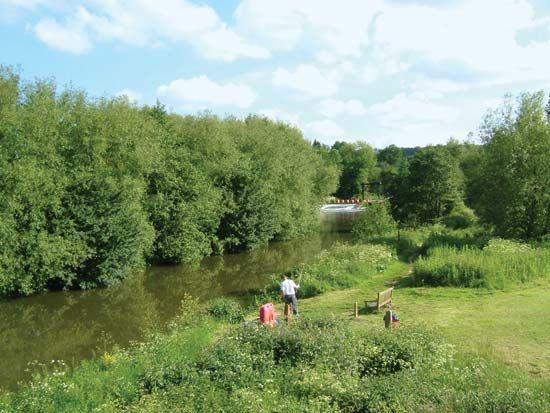
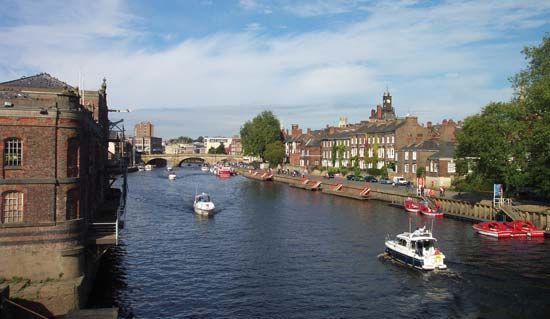
River Swale
It appears there is a common point of confusion regarding the name "Swale," which refers to two distinct geographical features in England.
What is the historical significance of the River Swale in the region?
It appears there is a common point of confusion regarding the name “Swale,” which refers to two distinct geographical features in England.
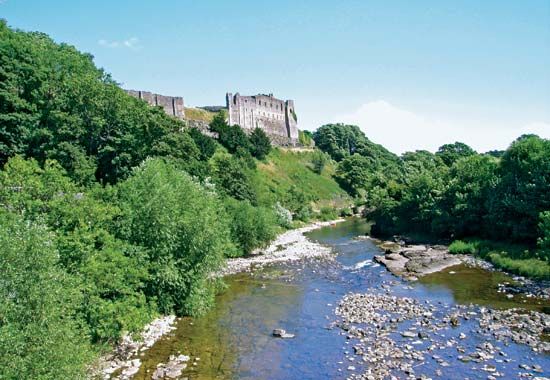
The River Swale in North Yorkshire is historically significant for its role in the region’s industrial and defensive past. Its upper valley, Swaledale, was the site of extensive lead mining during the 19th century. Additionally, the river is home to the town of Richmond, which features a prominent castle dating back to the 11th century. The name itself derives from an Old English term meaning “tumultuous river”.1
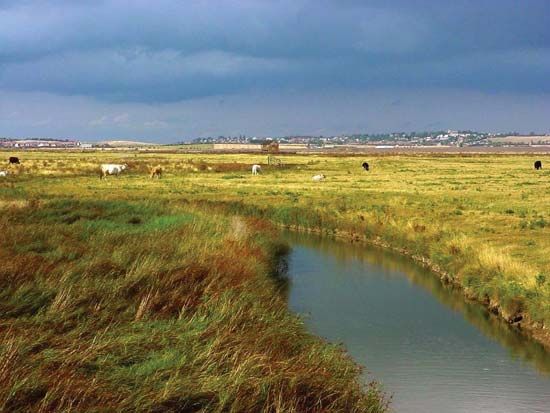
In contrast, “The Swale” in Kent is a branch of the River Medway estuary that separates the Isle of Sheppey from the mainland. This area is historically noted for its marshlands and the development of medieval ports like Faversham, which has long served as a center for trade.2
How long is the River Swale and what major towns does it pass through?
The River Swale in North Yorkshire flows for 60 miles (100 km) from its source near Keld to its confluence with the River Ouse. Along its course, the river passes through several notable settlements, including the towns of:
- Richmond: The major town on the river, home to an 11th-century castle.1
- Muker: Located in the upper reaches of the river within the Pennine uplands.1
- Catterick: Situated further along the river’s path through North Yorkshire.1
Please note that this river is distinct from “The Swale” in Kent, which is a branch of the River Medway estuary and not a river of the same type.2
What is the source of the River Swale and where does it join with other rivers?
The River Swale originates on the slopes of High Seat and Nine Standards Rigg, located near the village of Keld in North Yorkshire, England.1
As it flows southeast for 60 miles (100 km), it serves as a significant watercourse through the Pennine uplands. The river eventually reaches its confluence east of Boroughbridge, where it joins with the River Ure to form the River Ouse.13
Are there any notable landmarks or attractions associated with the River Swale?
The River Swale is celebrated for its scenic beauty, particularly within the Swaledale valley, a deep, troughlike landscape that attracts many visitors.1
Notable landmarks and attractions associated with the river include:
- Richmond Castle: Located in the town of Richmond, this 11th-century Norman fortress is a primary historical landmark, with its impressive keep still standing today.14
- Richmond Theatre: This restored 18th-century theatre serves as a cultural attraction within the town.4
- Yorkshire Dales National Park: Richmond acts as a central tourist hub for this expansive national park, providing access to the surrounding natural landscape.4
- Historical Sites: The area surrounding the river is noted for its history of 19th-century lead mining, which shaped the development of the dale. Additionally, the nearby Catterick garrison is situated on a significant Roman site.14
Sources
- River Swale — Encyclopædia Britannica
- Swale — Encyclopædia Britannica
- River Ouse — Encyclopædia Britannica
- Richmond — Encyclopædia Britannica
Published on · 2 min read