River Ouse
The provided search results do not contain information regarding the specific role of the River Ouse in the local ecosystem or its impact on wildlife. The…
What role does the River Ouse play in the local ecosystem and wildlife?
The provided search results do not contain information regarding the specific role of the River Ouse in the local ecosystem or its impact on wildlife. The available documentation focuses primarily on the rivers’ geography, navigation, industrial utility, and agricultural significance in their respective regions of England.12
Because the current knowledge base lacks data on the ecological and biological functions of these rivers, I cannot provide an assessment of their environmental contributions.
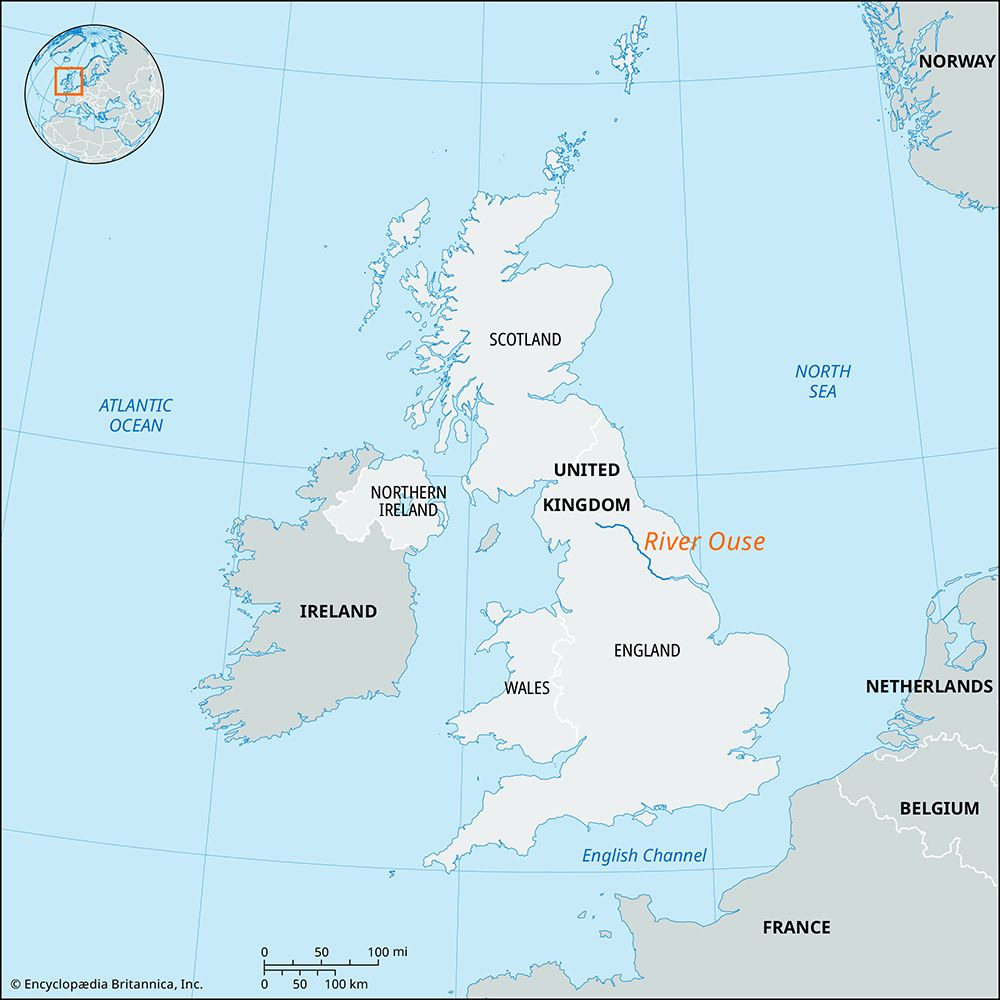
What is the geographical location and course of the River Ouse in northern England?
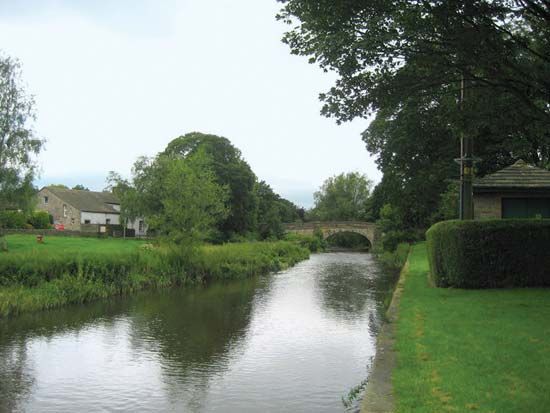
The River Ouse is a significant river located in north-central England. It originates in central North Yorkshire at the confluence of the Swale and Ure rivers, situated east of Boroughbridge.1
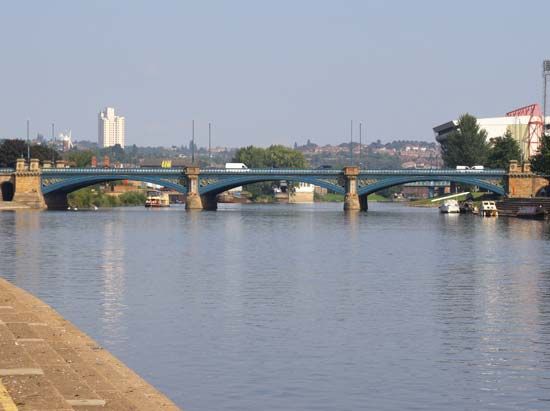
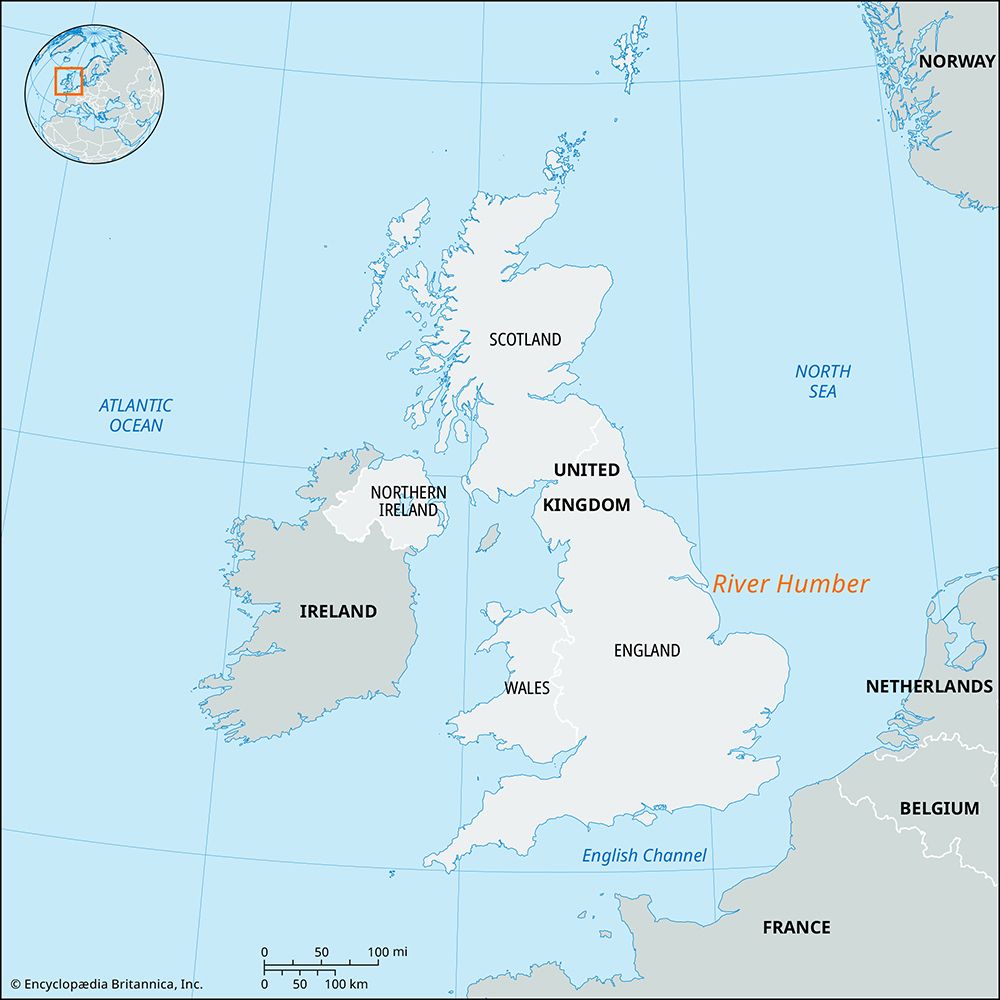
The river follows a 60-mile (99-km) course flowing generally southeastward. Along its path, it passes through the historic city of York and the town of Selby. It eventually joins the River Aire north of Goole. Approximately 9 miles (14 km) east of Goole, the Ouse merges with the River Trent to form the River Humber, which flows toward the North Sea.1
Geographically, the river serves as a drainage system for the central Pennines and the Vale of York. Its lower reaches are vital for industrial transport, connecting to the Aire and Calder inland waterway system, which supports the movement of goods from the industrialized areas of West Yorkshire.1
What are the main cities and towns located along the River Ouse?
The River Ouse in northern England flows through several notable settlements along its 60-mile course. The primary cities and towns located along the river include:
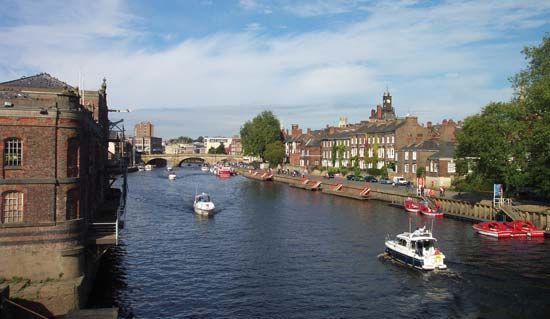
- York: A historic city situated at the confluence of the Rivers Ouse and Foss. It serves as a major cultural and economic hub in North Yorkshire.13
- Selby: A town located south of York. It has historically functioned as an inland port on the River Ouse and is known for its agricultural processing industries, including flour milling and sugar beet production.14
- Goole: Located near the river’s confluence with the River Aire, this town is situated in the lower reaches of the Ouse, an area significant for industrial transportation.1
It is important to note that there is another river in England also named the River Ouse (often called the Great Ouse), which is located in the East Midlands and flows through different towns such as Buckingham, Bedford, and St. Ives.2
How has the River Ouse historically impacted the development of York and other settlements?
The River Ouse has been a fundamental driver of development in northern England, serving as a vital artery for commerce, transportation, and agriculture throughout history.
Economic and Industrial Significance
The Ouse acts as a major transportation route for industrial goods, including steel, coal, and textiles. Its connection to the Aire and Calder Navigation system—one of England’s most important inland waterways—has historically linked the river to the heavily industrialized regions of West Yorkshire. In the late 20th century, the development of deep-shaft coalfields in the Ouse basin further cemented the river’s role as a critical economic corridor.1
Impact on Settlements
- York: Situated at the confluence of the Rivers Ouse and Foss, York leveraged its river access to become a prosperous staple town, particularly in the wool trade. Its strategic location helped it grow into the ecclesiastical capital of northern England and, for a time, the second most important city in the country after London.2
- Selby: This town developed as an inland port on the Ouse. The river facilitated the growth of local industries, including large-scale flour milling and sugar beet processing, which remain significant to the area’s economy.3
Beyond industry, the river’s floodplain has been extensively drained and cultivated, supporting a productive agricultural landscape that produces crops such as barley, wheat, and potatoes.13
Sources
- River Ouse — Encyclopædia Britannica
- River Ouse — Encyclopædia Britannica
- Selby — Encyclopædia Britannica
- York — Encyclopædia Britannica
Published on · 3 min read