River Ouse
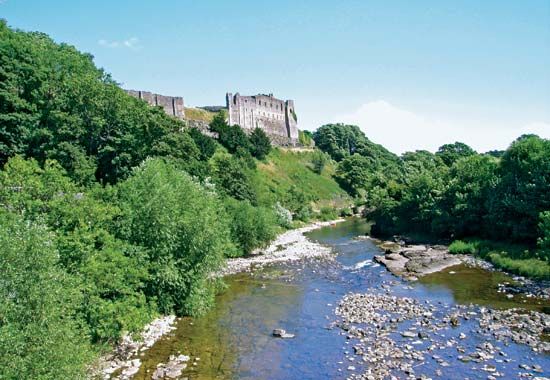
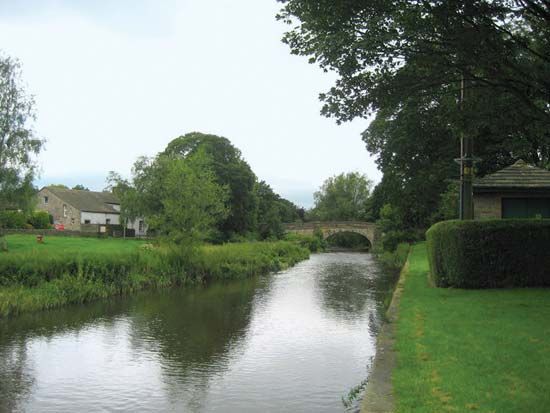
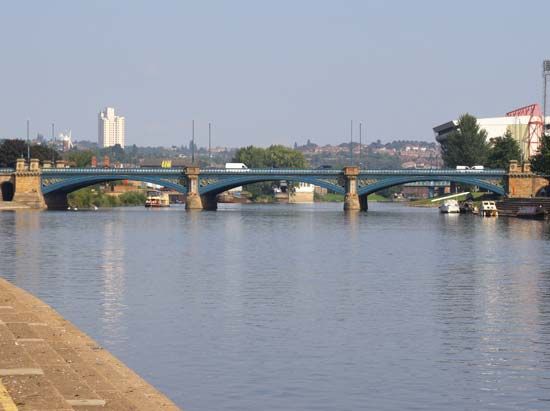
The name "River Ouse" refers to two distinct waterways in England, both of which hold historical and economic significance for trade and transportation.
What is the historical significance of the River Ouse in terms of trade and transportation?
The name “River Ouse” refers to two distinct waterways in England, both of which hold historical and economic significance for trade and transportation.
The River Ouse (North-Central England)
This river is a vital inland waterway for the industrial heartland of Yorkshire. Its lower reaches serve as a major transportation artery for industrial goods, including steel, coal, and textiles. Its connectivity to the Aire and Calder Navigation allows for the efficient movement of materials into the heavily industrialized areas of West Yorkshire. Furthermore, the development of deep-shaft coalfields in the Ouse basin during the late 20th century significantly bolstered the river’s role as a critical economic transport route.1
The River Ouse (Eastern England)
Often called the Great Ouse, this river is essential to the drainage and navigation of the Fens. Its course has been heavily modified through artificial straightening and sluice control to manage water flow. Navigation is supported by locks, which allow vessels to travel upstream as far as Bedford.2
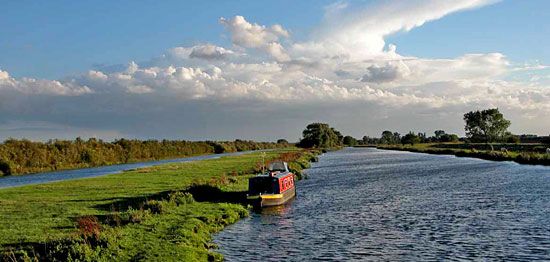
Where does the River Ouse originate, and which major cities does it flow through?
There are two distinct rivers in England named the River Ouse, each with its own origin and course.
The River Ouse (North-Central England)
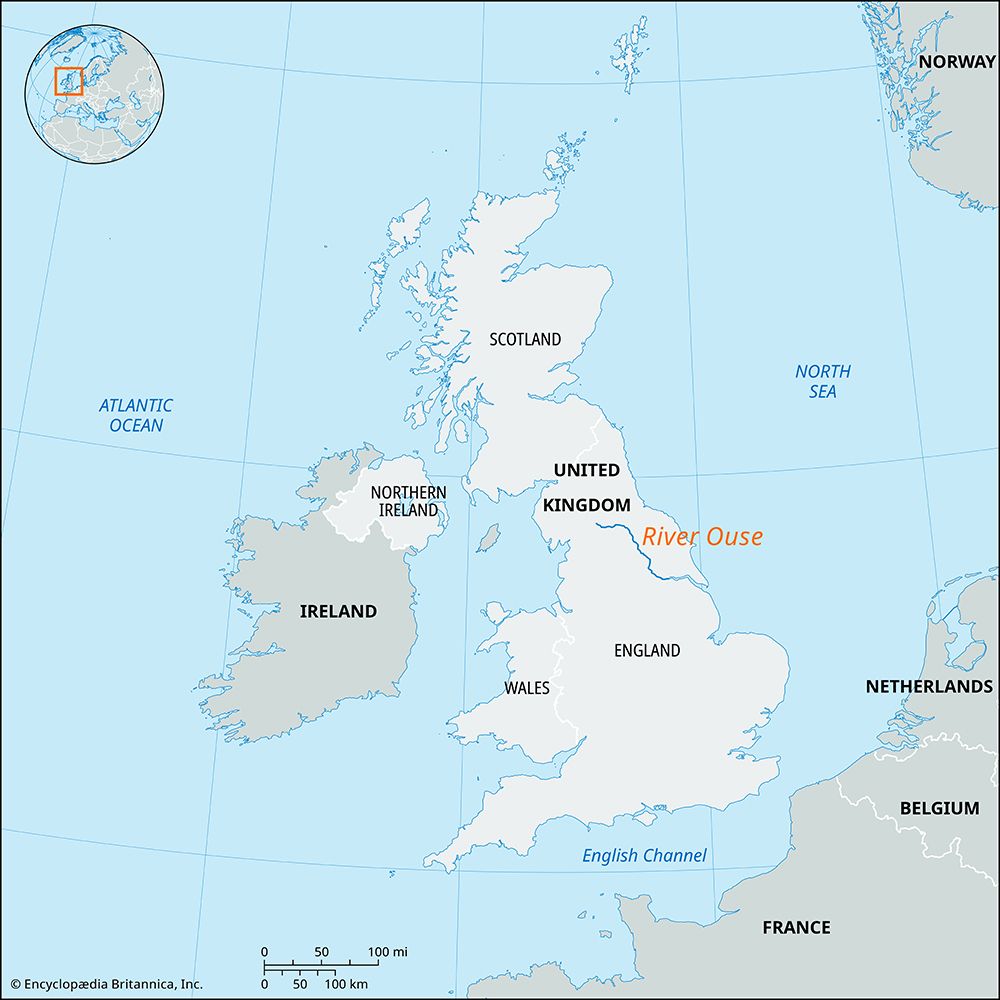
This river is formed by the confluence of the Swale and Ure rivers east of Boroughbridge in North Yorkshire. It flows southeast for 60 miles, passing through the city of York and the town of Selby before joining the River Aire and eventually merging with the River Trent to form the River Humber.3
The River Ouse (Eastern England)
Often referred to as the Great Ouse, this river rises 5 miles west of Brackley in Northamptonshire. It follows a meandering course through several towns and cities, including:
- Buckingham
- Bedford
- Huntingdon
- St. Ives
From Earith, it flows through the Fens to empty into The Wash, an inlet of the North Sea.12
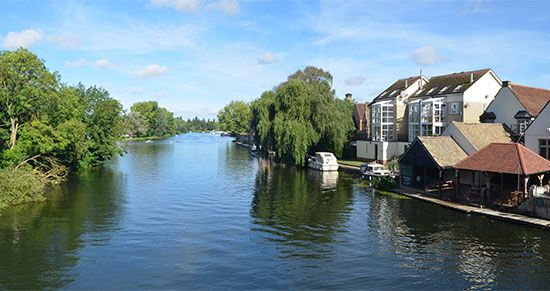
What types of wildlife and plant species can be found along the River Ouse and its banks?
The provided search results do not contain information regarding the specific wildlife and plant species found along the banks of the River Ouse in England. While the results mention that coarse fishing is an activity associated with the Great Ouse, they do not detail the flora or fauna of the region.
Please note that the information regarding pine, cedar, silver fir, and various fur-bearing mammals in the search results pertains to the Ob River in Russia, not the River Ouse in England.2
Are there any legends or folklore associated with the River Ouse?
Sorry, the Britannica knowledge base does not contain information regarding legends or folklore associated with the River Ouse.
Sources
- River Ouse — Encyclopædia Britannica
- River Ouse — Encyclopædia Britannica
- Ouse — Merriam-Webster
- River Aire — Encyclopædia Britannica
- Ob River - Plant and animal life — Encyclopædia Britannica
Published on · 2 min read