Selous Game Reserve
The Selous Game Reserve is a vast protected area located in southeastern Tanzania, covering more than 17,000 square miles (44,000 square km). Established in…
What is Selous Game Reserve?
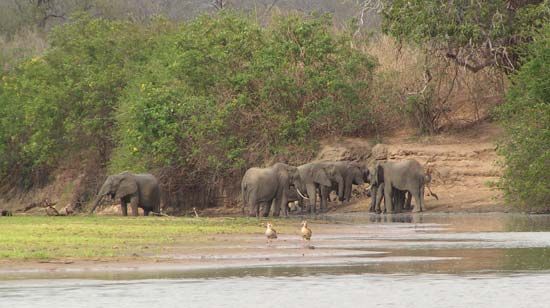
The Selous Game Reserve is a vast protected area located in southeastern Tanzania, covering more than 17,000 square miles (44,000 square km). Established in 1922 and named after the naturalist and explorer Frederick Selous, the reserve is characterized by diverse landscapes, including river complexes, hardwood forests, and some of Africa’s most pristine virgin bush.1
The reserve is renowned for its significant wildlife populations, serving as a sanctuary for large-maned lions, big-tusked elephants, rhinoceros, leopards, buffalo, and various antelope species. While it was historically inaccessible, the construction of hunting tracks in 1963 opened the area to visitors. In 1982, the site was designated a UNESCO World Heritage site due to its ecological importance and biodiversity.1
Who was Frederick Selous?
Frederick Courteney Selous (1851–1917) was a British hunter, explorer, naturalist, and soldier whose extensive travels in south-central Africa significantly contributed to the geographical and ethnological knowledge of the region that became Rhodesia.21
Beginning in 1871, Selous spent nearly two decades exploring and hunting across the territory between the Transvaal and the Congo River basin. During these expeditions, he collected natural history specimens for museums and conducted valuable research on local cultures. In 1890, he joined the British South Africa Company, playing an active role in bringing the Manicaland border district under British control.2
Selous documented his experiences in several publications, including Twenty Years in Zambesia (1893), Sunshine and Storm in Rhodesia (1896), and African Nature Notes and Reminiscences (1908). His legacy is preserved in the name of the Selous Game Reserve, a massive protected area in Tanzania established in 1922 and later designated a World Heritage site.21
What is the Nyerere National Park?
The Nyerere National Park is not a separate entity from the Selous Game Reserve; rather, it represents a significant portion of the former reserve that was redesignated and upgraded to national park status.
In 2019, the Tanzanian government designated the northern sector of the Selous Game Reserve as Nyerere National Park. This transition was intended to enhance conservation efforts and promote tourism within the area, which remains one of the largest protected wildlife sanctuaries in Africa. The park continues to feature the diverse ecosystems, river complexes, and significant wildlife populations—such as elephants, lions, and buffalo—that were historically protected under the Selous name.1
Why are World Heritage sites important?
World Heritage sites are areas or objects designated by UNESCO for their “outstanding universal value” to humanity. Established by the 1972 Convention Concerning the Protection of the World Cultural and Natural Heritage, these sites are vital for several reasons:34
- International Protection: The designation provides a framework for global cooperation, ensuring that cultural treasures and natural areas receive necessary government protection and oversight.4
- Conservation and Restoration: UNESCO actively funds and supervises efforts to preserve these sites. When locations face threats from pollution, natural disasters, or climate change, they may be placed on the List of World Heritage in Danger to prioritize urgent intervention.5
- Economic Benefits: These designations often boost local economies by encouraging tourism.5
- Cultural Preservation: World Heritage sites serve as a defense against the intentional destruction of history. Protecting these locations is a moral imperative, as the deliberate erasure of cultural heritage—often seen in conflicts—is a war crime that seeks to destroy the shared identity and history of humanity.5
Sources
- Selous Game Reserve — Encyclopædia Britannica
- Frederick Courteney Selous — Encyclopædia Britannica
- UNESCO: Top Questions — Encyclopædia Britannica
- World Heritage site — Encyclopædia Britannica
- World Heritage site - Growth of the World Heritage List and challenges to preservation — Encyclopædia Britannica
- list of World Heritage sites — Encyclopædia Britannica
Published on · 3 min read