Swan River
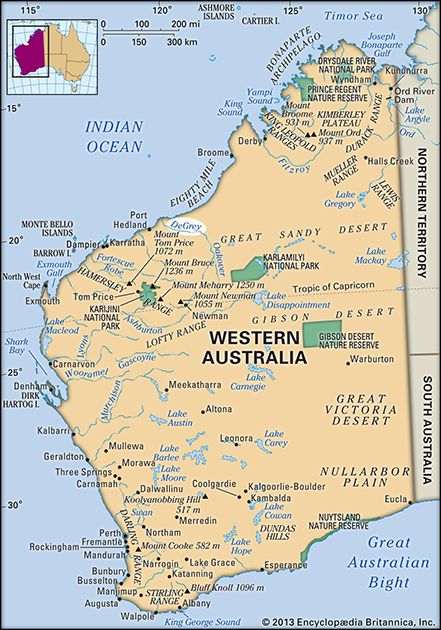
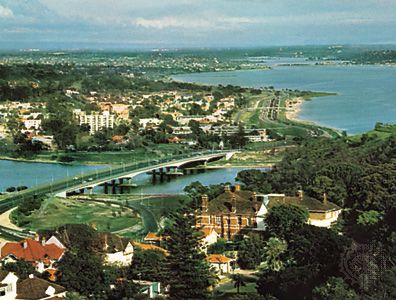
The Swan River is located in southwestern Western Australia. It originates in the hills south of Corrigin as the Avon River and flows approximately 224 miles…
Where is the Swan River located in Australia, and what are its main geographical features?
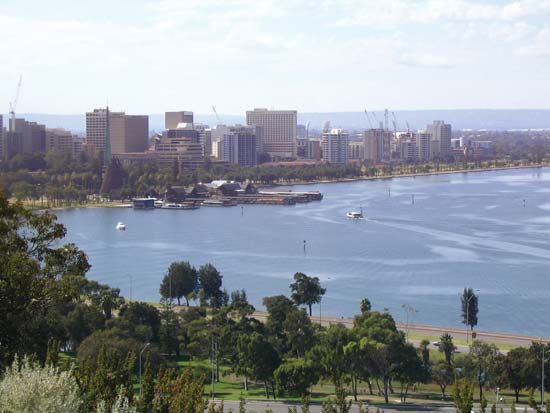
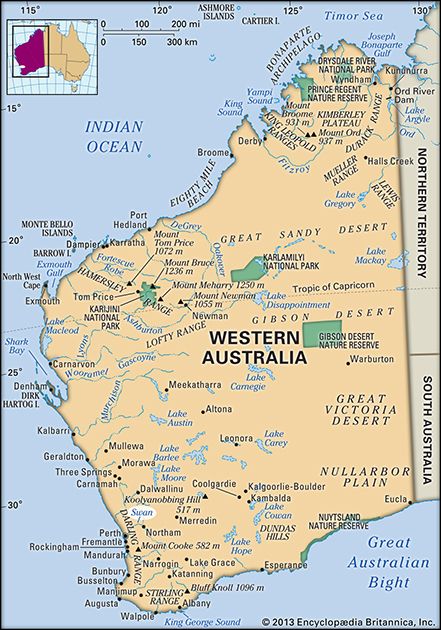
The Swan River is located in southwestern Western Australia. It originates in the hills south of Corrigin as the Avon River and flows approximately 224 miles (360 km) northwest and southwest, passing through Northam and Perth before reaching the Indian Ocean at Fremantle.1
Its main geographical features include:
- Course and Naming: It is only referred to as the Swan River along its final 60-mile stretch.1
- Tributaries: The Helena and Canning rivers serve as its primary left-bank tributaries.1
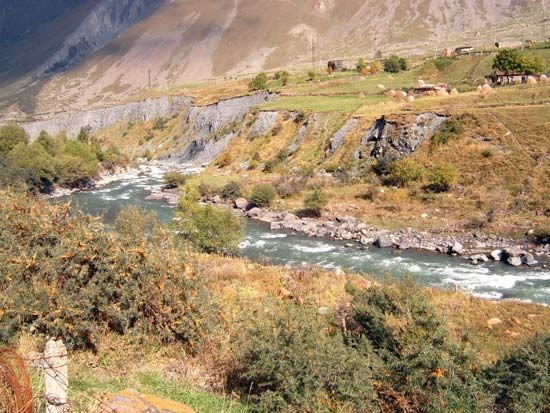
- Topography: The upper course is characterized by steep gorges and rapids, while the lower reaches widen into two shallow tidal basins known as Perth and Melville waters.1
- Hydrology: The river is ephemeral, meaning it is often dry during the summer and autumn months.1
- Land Use: The banks above Perth are historically utilized for market gardens and vineyards.1
What is the origin of the name ‘Swan River’, and are there any interesting stories behind it?
The name “Swan River” in Western Australia originates from the black swans observed in the river’s estuary by the Dutch explorer Willem de Vlamingh in January 1697.13
This discovery left a lasting mark on the region’s identity. When the first English settlement was established there in 1829, it was officially known as the Swan River Colony. The bird became a central symbol for the area, appearing on early bank notes, the Swan River Guardian newspaper, and the Western Australian Government Gazette by the 1830s.13
The swan remains a significant emblem today, featuring prominently on the flag of Western Australia. Interestingly, the depiction of the swan on the state flag sparked a heraldic debate; while the original 1870 design showed the bird facing the observer’s right, it was eventually corrected in 1953 to face the observer’s left, which is considered the “point of honour” in heraldry.3
How long is the Swan River, and what are its major tributaries?
The Swan River in southwestern Western Australia spans approximately 224 miles (360 km) in length. While some sources estimate the river’s length at about 240 miles (386 km), it is important to note that the waterway is only referred to as the Swan River along its final 60-mile stretch, as it originates in the hills south of Corrigin under the name of the Avon River.13
The river’s major left-bank tributaries are the Helena River (the site of the Mundaring Weir) and the Canning River.1
Why are black swans significant to the history of the river?
Black swans are central to the history of the Swan River because they provided the waterway with its name and became the foundational emblem for the region’s identity. After the Dutch explorer Willem de Vlamingh observed these birds in the river’s estuary in 1697, the name became permanently linked to the area.41
When the Swan River Colony was established in 1829, the black swan was adopted as a primary symbol of the new settlement. It appeared on early bank notes, the Swan River Guardian newspaper, and the Western Australian Government Gazette by the 1830s. This association persisted as the colony grew; by 1870, the black swan was officially designated as the local badge of Western Australia. The bird remains a defining symbol today, appearing on the state flag, though its orientation was famously corrected in 1953 to face the “point of honour” in heraldry.4
We could dive deeper into the history of the Swan River Colony or explore the unique biology of the black swan.
Sources
- Swan River — Encyclopædia Britannica
- Swan River — Encyclopædia Britannica
- Swan — Merriam-Webster
- flag of Western Australia — Encyclopædia Britannica
- Western Australia - Drainage — Encyclopædia Britannica
Published on · 3 min read