Tensas River
The Tensas River is a river located in northeastern and eastern Louisiana, United States. It originates in East Carroll Parish as Tensas Bayou and flows…
What is Tensas River?
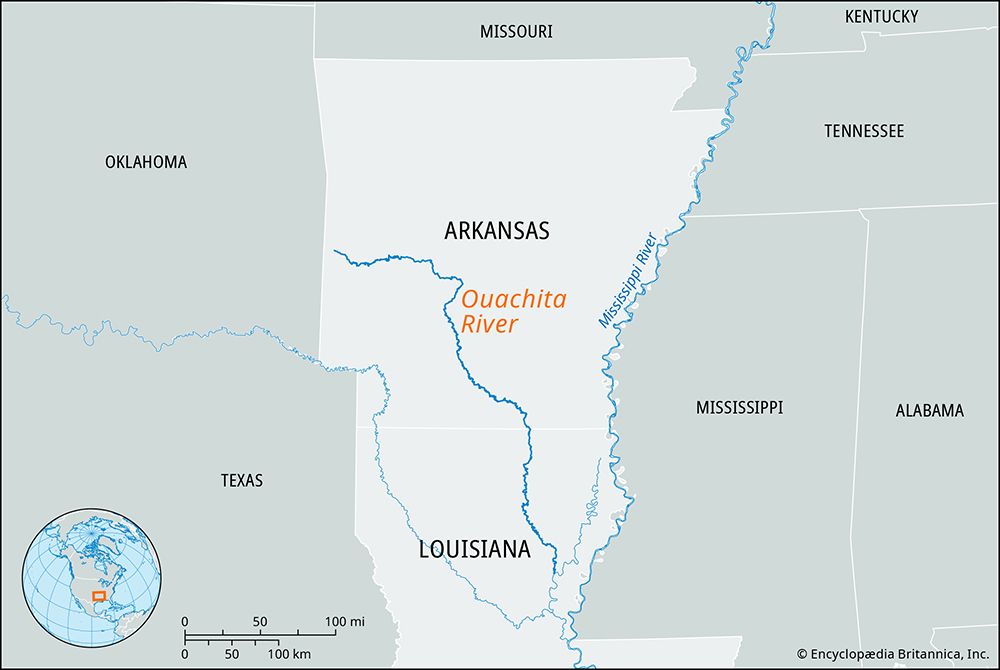
The Tensas River is a river located in northeastern and eastern Louisiana, United States. It originates in East Carroll Parish as Tensas Bayou and flows approximately 250 miles (400 km) in a southwestward direction. At Jonesville in Catahoula Parish, it joins the Ouachita River to form the Black River1.1
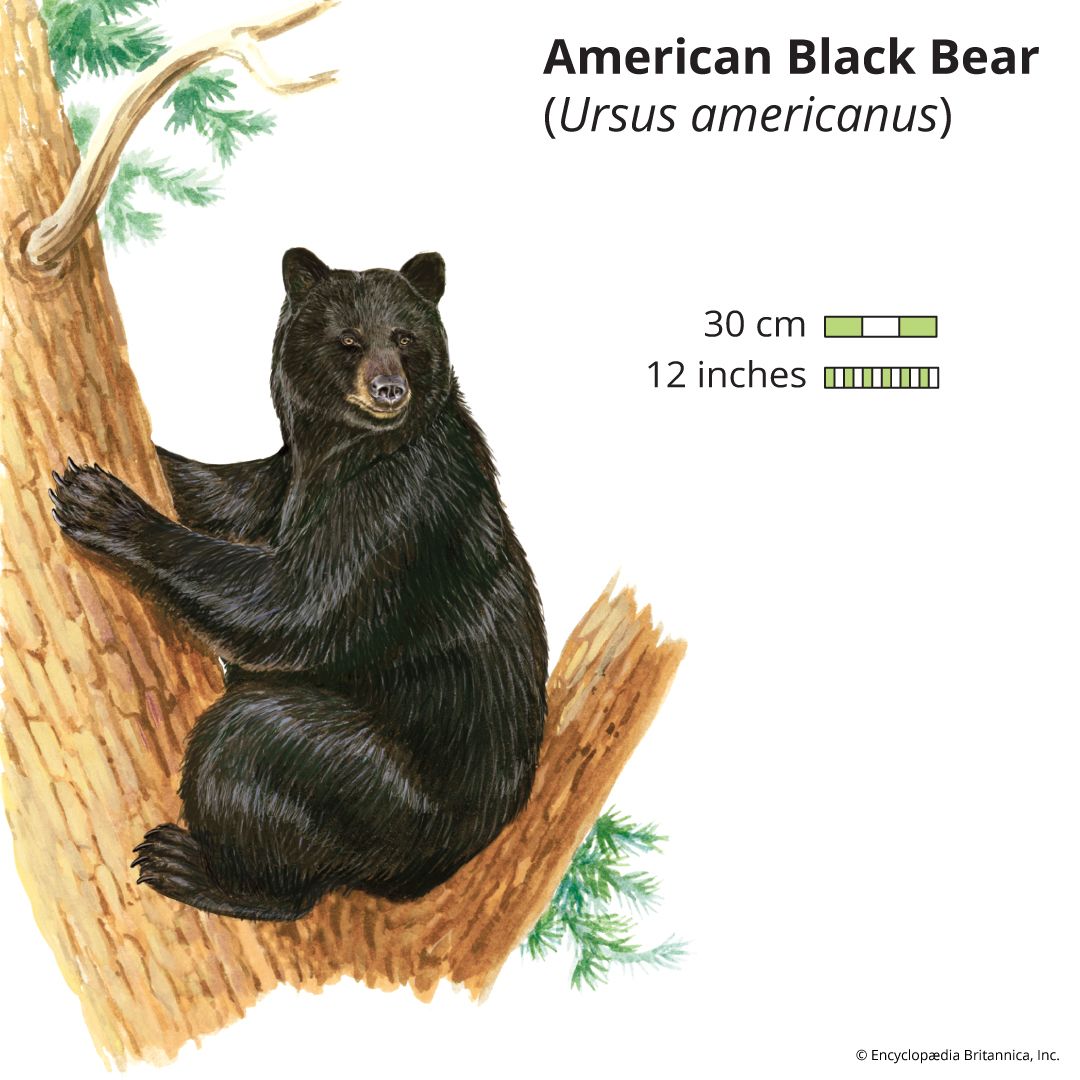
The river’s basin is part of the Mississippi River floodplain, stretching between the Arkansas and Red rivers. This area includes the Tensas River National Wildlife Refuge, which spans about 81 square miles of bottomland hardwood forests. This refuge is ecologically significant as it serves as the habitat for the last remaining population of black bears in Louisiana.2
What makes bottomland hardwood forests unique?
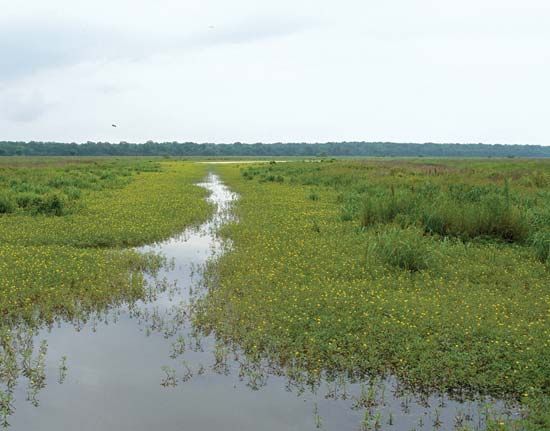
Bottomland hardwood forests are unique ecosystems defined by their specific location within river floodplains and their adaptation to periodic inundation. These forests are characterized by several distinct features:34
- Vegetation Composition: These areas support a dense, diverse mixture of hardwood trees. On the clays of river bottoms, they are often dominated by great-crowned oaks, hickory, walnut, and ash, alongside elm and gum trees.5
- Hydrological Dynamics: Unlike deepwater swamps that may be inundated nearly year-round, bottomland forests are shaped by seasonal flooding. This cycle deposits nutrient-rich sediments onto the forest floor, which supports the growth of these specific tree communities.34
- Ecological Role: These forests serve as vital habitats for various wildlife, including black bears, white-tailed deer, raccoons, and wild turkeys6. The complex topography of the floodplain, including ridges and swales, creates a mosaic of environments that sustain this biodiversity.46
How do black bears survive in the Tensas River refuge?
The Tensas River National Wildlife Refuge provides a critical sanctuary for the black bear population in Louisiana. These bears survive within the refuge primarily by utilizing its 81 square miles of bottomland hardwood forests.
This specific habitat is essential for their survival because it offers the necessary cover, protection, and food sources required for the species to thrive. As the last remaining stronghold for black bears in the state, the refuge’s ecosystem—characterized by its floodplain dynamics and dense vegetation—allows the population to maintain its presence in an otherwise fragmented landscape. By preserving this unique environment, the refuge ensures that the bears have the space and resources needed to sustain their life cycle.
What is the significance of the Mississippi River floodplain?
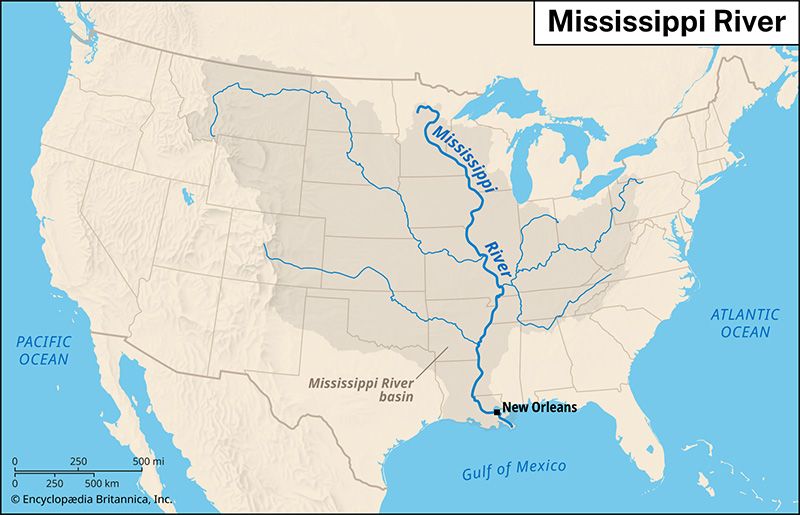
The Mississippi River floodplain is a vast, ecologically significant landscape covering approximately 50,000 square miles. It is a dynamic area formed by the river’s lateral movement and the deposition of alluvium, which creates a fertile environment that is an integral part of the river system.8
The significance of this floodplain includes:
- Ecological Habitat: The river’s swamps and backwaters provide essential cover and food for diverse wildlife. Notably, the floodplain serves as the Mississippi Flyway, a critical aerial corridor for millions of waterfowl migrating between Canada and Latin America.9
- Hydrological Function: The floodplain acts as a natural relief system for the river. During high-water events, it allows the river to spread out, reducing pressure on the main channel.10
- Management Evolution: Historically, the area was heavily engineered with levees and dams to protect human development. However, experience with catastrophic floods has shifted the perspective toward “living with the river,” which emphasizes moving human infrastructure off the floodplain to allow for natural, safe inundation.1110
Sources
- Tensas River — Encyclopædia Britannica
- Tensas — Merriam-Webster
- Wetland - Freshwater forested swamps — Encyclopædia Britannica
- Asian longhorned beetle — Encyclopædia Britannica
- river - Floodplain deposits, origins, and features — Encyclopædia Britannica
- North America - The Eastern mesophytic forest — Encyclopædia Britannica
- Wetland - Natural disturbances — Encyclopædia Britannica
- floodplain — Encyclopædia Britannica
- Mississippi River - Flood control — Encyclopædia Britannica
- Mississippi River - Hydrology — Encyclopædia Britannica
- Mississippi River - Plant and animal life — Encyclopædia Britannica
Published on · 2 min read