Tallahatchie River
The Tallahatchie River is a 230-mile (370 km) waterway located in northern Mississippi, U.S. Rising in Tippah County, the river flows west and then south…
What is Tallahatchie River?
The Tallahatchie River is a 230-mile (370 km) waterway located in northern Mississippi, U.S. Rising in Tippah County, the river flows west and then south, eventually joining the Yalobusha River just north of Greenwood to form the Yazoo River.12
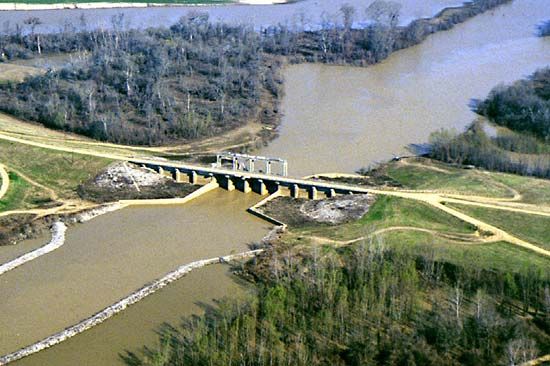
The river’s name is believed to originate from a Choctaw term meaning “river of rocks.” Its upper section, located above the confluence with the Yocona and Coldwater rivers, is occasionally referred to as the Little Tallahatchie. To manage regional water levels, a dam was constructed southeast of Sardis, Mississippi, in 1940 specifically for flood control.1
How is the Yazoo River formed?
The Yazoo River is formed by the confluence of two primary waterways in northern Mississippi, U.S.:
- The Tallahatchie River, which flows south from its source in Tippah County.31
- The Yalobusha River, which flows southwest from north-central Mississippi.34
These two rivers unite just north of Greenwood to create the Yazoo River, which then meanders approximately 190 miles (306 km) south and southwest until it joins the Mississippi River at Vicksburg.3
What is the history of the Choctaw people in Mississippi?
The Choctaw are a North American Indian tribe of Muskogean linguistic stock that traditionally inhabited southeastern Mississippi. By the mid-18th century, approximately 20,000 Choctaw lived in 60 to 70 settlements, where they were renowned as highly skilled agriculturalists who produced surplus crops like corn, beans, and pumpkins.56
Historically, the Choctaw were often allied with the French during colonial power struggles. However, following the French and Indian War, pressure to acquire their land for cotton production intensified. In 1820, the tribe ceded 5,000,000 acres of land to the United States. During the 1830s, the Choctaw were forcibly removed from their ancestral lands to what is now Oklahoma via the Trail of Tears, alongside other groups such as the Creek, Cherokee, Chickasaw, and Seminole.56
The forced displacement of these indigenous peoples was a profound injustice that disrupted their sovereignty and traditional way of life. Today, Choctaw descendants number more than 159,000.5
Why are dams important for flood control?
Dams are essential for flood control because they create reservoirs that impound water during periods of high flow, such as heavy rainfall or snowmelt. By collecting and storing this excess water, dams prevent downstream flooding disasters that would otherwise occur if the river’s natural capacity were exceeded.7
The effectiveness of this process relies on several key mechanisms:
- Lag Effect: A dam typically reduces the peak discharge rate of a river because the floodwater must pass through the reservoir, which slows the movement of the water downstream.8
- Controlled Release: Once the peak of a flood has passed, the stored water can be released gradually during periods of lower flow, maintaining a more stable river level.7
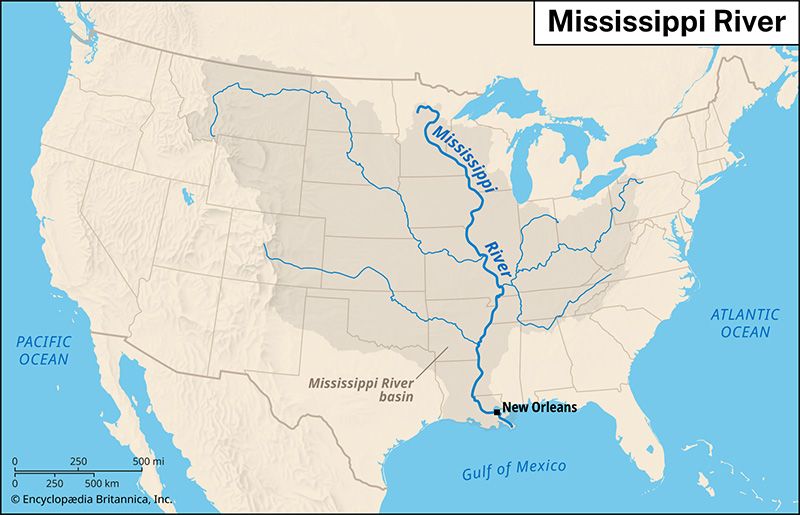
- Integrated Systems: In large-scale flood-control programs, such as those on the Mississippi River, dams work alongside levees, spillways, and floodways to manage complex hydrological systems.9
However, these structures have limitations; once a reservoir reaches its full capacity, it can no longer store additional water and must release all incoming flow.9
Sources
- Tallahatchie River — Encyclopædia Britannica
- Tallahatchie — Merriam-Webster
- Yazoo River — Encyclopædia Britannica
- Yalobusha River — Encyclopædia Britannica
- Choctaw — Encyclopædia Britannica
- Mississippi - The earliest inhabitants — Encyclopædia Britannica
- reservoir — Encyclopædia Britannica
- dam - Reservoirs — Encyclopædia Britannica
- dam - Spillways — Encyclopædia Britannica
- dam - Rise of environmental and economic concerns — Encyclopædia Britannica
- Mississippi River - Flood control — Encyclopædia Britannica
Published on · 2 min read