The Broads
Today, the Broads serve as a popular destination for recreation and tourism in Norfolk, England. Visitors primarily engage in activities such as sailing…
How do people use the Broads for recreation and tourism today?
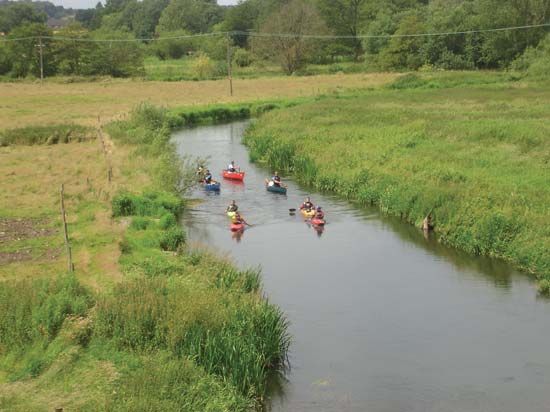
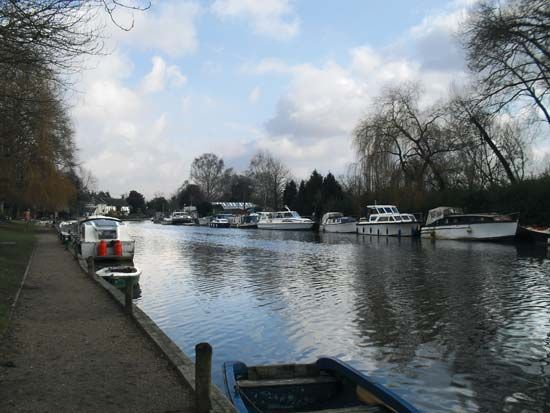
Today, the Broads serve as a popular destination for recreation and tourism in Norfolk, England. Visitors primarily engage in activities such as sailing, fishing, and bird-watching, with the area attracting many summer vacationers.12
Tourism operations are centered in towns like Wroxham, which serves as a key hub for exploring the waterway system. Beyond water-based activities, the region’s distinctive landscape and historical sites—including fine churches and nearby properties like Blickling Hall—draw significant numbers of visitors. While the Broads provide extensive opportunities for leisure, it is important to note that of the approximately 40 waterways, only 16 are open for public navigation; the remaining areas are too shallow or inaccessible, serving instead as vital sanctuaries for wildlife.31
What is the total area covered by the Broads, and how many individual waterways are there?
The Broads consist of approximately 40 individual waterways. While the total area of the entire system is not explicitly defined as a single aggregate figure, the 16 waterways available for public navigation cover a total area of less than 1,000 acres (405 hectares). The remaining waterways are either too shallow or inaccessible, serving as protected sanctuaries for wildlife.1
What types of wildlife and plant species can be found in the Broads?
The Broads, a system of inland waterways in Norfolk, England, are home to a diverse range of wildlife and plant species. The area’s fringing marshes, known as fens, are particularly significant for supporting rare life forms.1
Key aspects of the biodiversity found in the Broads include:
- Rare Species: The region provides a critical habitat for various rare birds, plants, and insects that thrive in the waterlogged environment.1
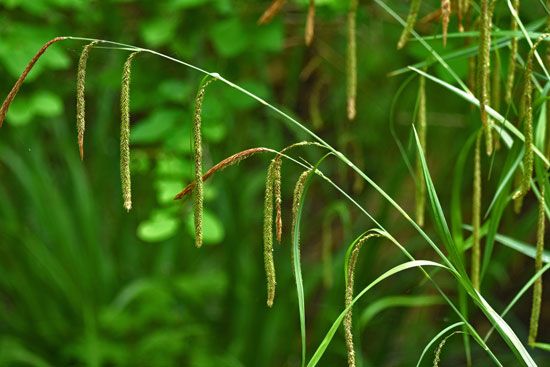
- Vegetation: The fens are characterized by reed swamps and provide sources of reed and sedge, which have historically been used for thatching.14
- Sanctuaries: Because many of the approximately 40 waterways are too shallow or inaccessible for public navigation, they function as protected, undisturbed sanctuaries that allow these species to flourish.1
How were the Broads formed, and what is their historical significance?
The Broads are a system of shallow inland waterways located in Norfolk and Suffolk, England. Contrary to the idea that they are natural lakes, the Broads are actually flooded peat diggings. These were excavated during the Middle Ages when the sea level was significantly lower than it is today.11
Historically and economically, the region has been significant for its natural resources. The surrounding marshes, or fens, have long provided reed and sedge, materials that remain in use for traditional thatching. Today, the Broads serve as a vital area for recreation, including sailing, fishing, and bird-watching, while the shallower, inaccessible sections act as protected sanctuaries for wildlife. The waterways are formed by the broadening of the Rivers Bure and Yare, and they also incorporate parts of rivers like the River Wensum, which flows toward the city of Norwich.56
Sources
- the Broads — Encyclopædia Britannica
- Broadland — Encyclopædia Britannica
- Norfolk — Encyclopædia Britannica
- Fens — Encyclopædia Britannica
- Broads — Merriam-Webster
- River Wensum — Encyclopædia Britannica
Published on · 2 min read