uMkhuze Game Reserve
The uMkhuze Game Reserve is a protected park located in the northern KwaZulu-Natal province of South Africa. Established in 1912, the reserve covers an area…
What is uMkhuze Game Reserve?
The uMkhuze Game Reserve is a protected park located in the northern KwaZulu-Natal province of South Africa. Established in 1912, the reserve covers an area of 95 square miles (246 square km) and is situated east of the Lebombo Mountains.1
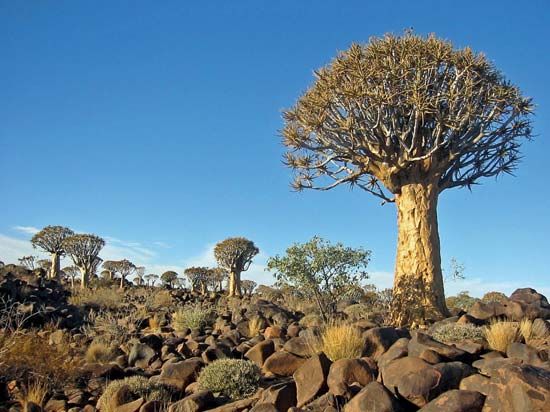
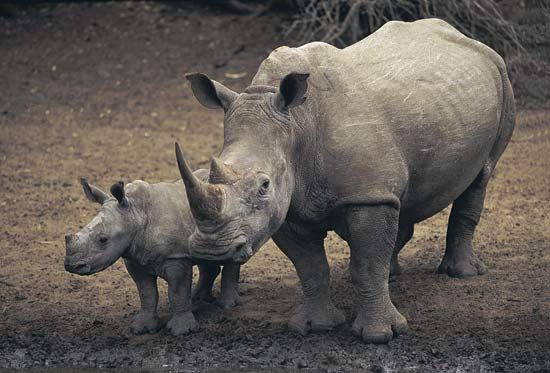
The park features a diverse landscape ranging from open bush country and thorn velds to forests of giant aloes and sycamore figs. Its water holes, or pans, support a variety of wildlife, including hippopotamuses and crocodiles. The reserve is also home to numerous other species, such as the black rhinoceros, leopard, wildebeest, and impala. Additionally, it is a significant site for birdwatching, with hundreds of recorded species, including bee-eaters, honey guides, pelicans, and vultures.1
What is the significance of the Lebombo Mountains in this region?
The Lebombo Mountains are a significant geographical feature in southeastern Africa, stretching approximately 500 miles (800 km) across South Africa, Swaziland, and Mozambique.2
Their significance in the region includes:
- Political Boundaries: The range serves as a natural border between several territories, including the boundary between KwaZulu-Natal and Swaziland, between Swaziland and Mozambique, and between Mozambique and the South African provinces of Mpumalanga and Limpopo.2
- Hydrological Role: Several major rivers, such as the Mkuze, Pongola, Ingwavuma, and Usutu, cut through the range, creating spectacular gorges. These waterways are vital for the region, and the Pongola gorge, in particular, hosts an immense storage dam.2
- Ecological Diversity: Composed of volcanic rock, the mountains support varied vegetation, including tropical forests and savannas. The dense growth in narrow ravines and the presence of trees like ironwood and ebony contribute to the region’s biodiversity.2
- Conservation: The range extends into protected areas, including Kruger National Park, highlighting its importance in regional wildlife preservation.2
How do conservationists protect endangered species like the black rhinoceros?
Conservationists employ a variety of strategies to protect the black rhinoceros and other endangered species from the existential threat of poaching. These efforts are essential, as the illegal trade of rhino horn for traditional medicine and ornamental use remains a primary driver of population decline.345
Key protection methods include:
- Legal Frameworks: International agreements like the Convention on International Trade in Endangered Species (CITES) regulate or prohibit the commercial trade of protected species, while national laws enforce strict penalties for killing or collecting them.35
- Active Enforcement: Reserves utilize game wardens to patrol protected areas, deterring poachers and intercepting illegal activities. However, this is costly and dangerous, often requiring significant budgets and risking violent confrontations.35
- Sanctuaries and Ranches: Populations kept in well-guarded, smaller sanctuaries and game ranches have shown rapid growth, as these controlled environments are easier to secure than vast, free-ranging reserves.4
- Public Awareness: Governments often destroy confiscated wildlife products, such as tusks or scales, to signal that the survival of these species depends on ending the market for their parts.5
We could dive deeper into the specific challenges of managing large-scale wildlife reserves or the history of international conservation policy.
What are the unique characteristics of the thorn veld ecosystem?
The thornveld is a distinct type of veld found in Southern Africa, characterized by its adaptation to arid and semi-arid conditions. As rainfall decreases toward the north and west, grassveld transitions into this ecosystem, which is defined by specific vegetation patterns and structural traits.67
Key Characteristics
- Vegetation Composition: The ecosystem is dominated by drought-resistant species, most notably thorny acacias and aloes. It often features a mix of thorny small trees, shrubs, and arid-adapted grasses.68
- Adaptations: Many plants in this environment are sclerophyllous, possessing small, leathery leaves to minimize water loss. Some species utilize long roots to access deep groundwater, while others, such as certain euphorbias, are armed succulents.8
- Seasonal Dynamics: Many of the trees are deciduous, shedding their leaves during the dry season. During the brief rainy season, the landscape may see a surge of growth from annual plants known as spring ephemerals.8
- Environmental Gradient: Thornveld serves as an ecological transition zone, grading into savanna woodland in areas with higher rainfall and into desert as conditions become increasingly arid.8
Sources
- uMkhuze Game Reserve — Encyclopædia Britannica
- Lebombo Mountains — Encyclopædia Britannica
- conservation - Protecting species — Encyclopædia Britannica
- black rhinoceros — Encyclopædia Britannica
- poaching — Encyclopædia Britannica
- veld - Plant life — Encyclopædia Britannica
- Thorn forest — Encyclopædia Britannica
- veld - Animal life — Encyclopædia Britannica
- veld — Encyclopædia Britannica
Published on · 3 min read