Aloe
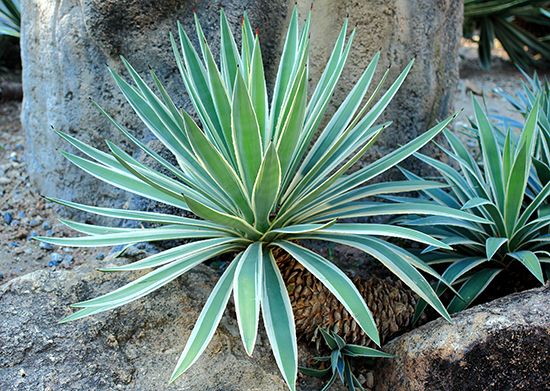
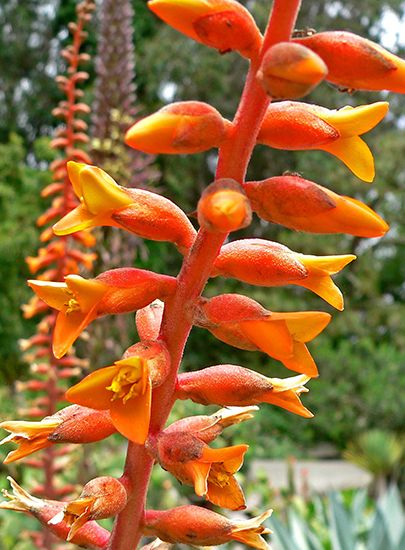
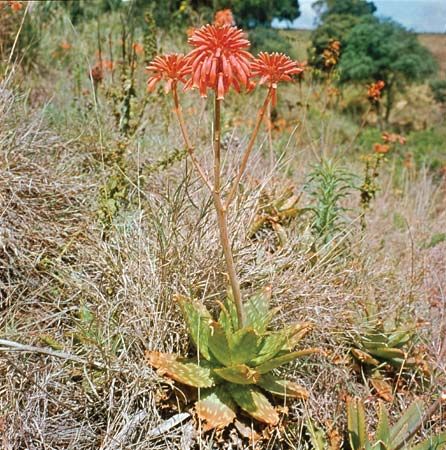
Aloe is a genus of more than 500 species of shrubby succulent plants native to Africa, Madagascar, and the Arabian Peninsula. These plants are characterized…
What is aloe?
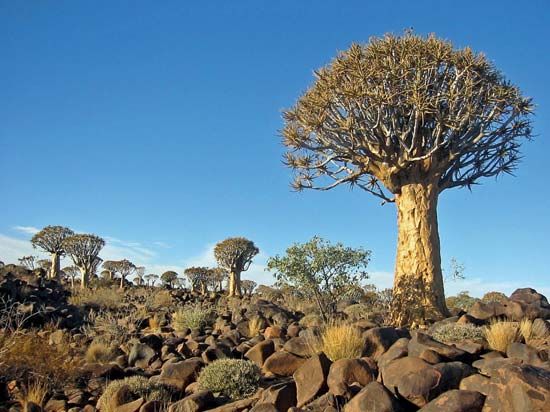
Aloe is a genus of more than 500 species of shrubby succulent plants native to Africa, Madagascar, and the Arabian Peninsula. These plants are characterized by rosettes of fleshy leaves, which often feature sharp, toothed edges and serve as water storage to survive drought.12
The most well-known species is aloe vera, a perennial widely cultivated for its medicinal and cosmetic properties. The gelatinous interior of its leaves is commonly applied topically to soothe sunburns, treat minor wounds, and improve skin health. Additionally, the plant contains a bitter, yellowish substance known as aloe latex, which acts as a powerful laxative due to the presence of aloin. While popular in traditional medicine, ingestion of aloe latex can cause adverse effects, and its safety for certain groups—such as pregnant or breastfeeding individuals—is a significant concern.12
How do succulent plants adapt to survive in dry environments?
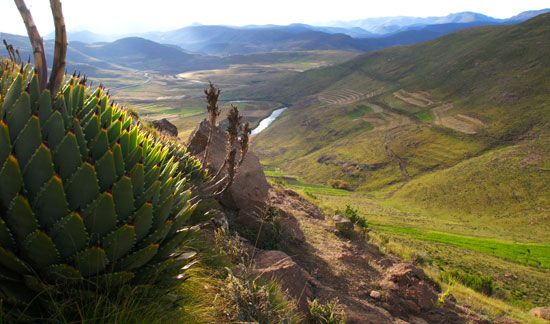
Succulent plants have evolved a variety of specialized adaptations to thrive in arid environments by maximizing water storage and minimizing water loss.
Water Storage and Root Systems
Succulents are defined by their thick, fleshy tissues designed for water storage. Depending on the species, this water is held primarily in the stem (as seen in cacti) or in the leaves (as seen in agaves). To support these needs, most succulents possess extensive root systems—either broad or deep—to efficiently capture available moisture.3
Minimizing Water Loss
To reduce transpiration, succulents utilize several structural and physiological strategies:
- Cuticle and Waxes: The epidermis is covered by a waterproof cuticle composed of fatty substances like cutin and waxes. Desert species often feature heavy wax coatings to prevent desiccation.4
- Trichomes: Many succulents are covered in trichomes, which help reflect solar radiation, thereby lowering internal temperatures and reducing water loss.4
- Nocturnal Stomata: Unlike most plants, many succulents keep their stomata closed during the hot day and open them only at night to exchange gases, significantly reducing water loss.35
Crassulacean Acid Metabolism (CAM)
Succulents utilize a specialized form of photosynthesis called crassulacean acid metabolism. Because their stomata are closed during the day, they fix carbon dioxide at night into malate, which is stored in the vacuole. During the day, this stored malate is released and processed through the standard photosynthetic cycle, allowing the plant to produce energy without exposing its internal moisture to the dry daytime air.35
What are some other common houseplants that have medicinal uses?
Beyond Aloe, many common houseplants belong to families known for their historical and practical medicinal applications. The Lamiaceae (mint) family is particularly notable, as many of its members are frequently grown indoors for their fragrance and therapeutic properties.
Medicinal Houseplants
- Peppermint: A popular aromatic herb, its leaves contain essential oils rich in menthol. Historically, this has been used as a soothing balm and is a common ingredient in various medicinal preparations.6
- Lavender: Often kept for its fragrant flowers, lavender has a long history of use in herbal medicine.7
- Basil: While primarily a culinary herb, many species within the Ocimum genus have been valued for their medicinal properties.7
- Catnip: Known for its stimulating effect on cats, this member of the mint family has also been used in traditional herbal remedies.7
- Self-heal: Also known as “heal-all,” this plant has a historical reputation as a source of herbal medicine.7
While these plants have been used for centuries, it is important to remember that historical use does not guarantee safety or efficacy for modern medical conditions. Always consult a healthcare professional before using plants for medicinal purposes.
Why do some aloe species develop sharp teeth or spines on their leaves?
Some Aloe species develop sharp teeth or spines on their leaves primarily as a protective adaptation against predation. In arid environments where water is a scarce and valuable resource, these structures serve as a deterrent to herbivores that might otherwise attempt to consume the plant’s succulent, moisture-rich tissues.11
While spines in other plant families, such as cacti, are often modified leaves that also assist in heat radiation and water collection, the teeth found on the margins of many Aloe leaves are specialized structures that provide a physical defense mechanism for the plant’s survival in harsh, resource-limited habitats.1112
Sources
- aloe — Encyclopædia Britannica
- aloe vera — Encyclopædia Britannica
- succulent — Encyclopædia Britannica
- plant - Specific variations in photosynthesis — Encyclopædia Britannica
- angiosperm - Dermal tissue — Encyclopædia Britannica
- Lamiaceae — Encyclopædia Britannica
- pharmaceutical industry - Medicines of ancient civilizations — Encyclopædia Britannica
- houseplant - Succulents — Encyclopædia Britannica
- taxonomy - Historical background — Encyclopædia Britannica
- peppermint — Encyclopædia Britannica
- angiosperm - Leaf modifications — Encyclopædia Britannica
- cactus — Encyclopædia Britannica
Published on · 3 min read