United Nations Environment Programme
The United Nations Environment Programme (UNEP) serves as the primary authority for coordinating environmental initiatives within the United Nations system.…
What role does UNEP play in promoting sustainable development around the world?
The United Nations Environment Programme (UNEP) serves as the primary authority for coordinating environmental initiatives within the United Nations system. Established in 1972, its mission is to promote international cooperation on environmental issues and guide policy formulation by bridging the gap between the scientific community and global governance.12
UNEP promotes sustainable development through several key functions:
- Policy and Technical Assistance: It acts as the secretariat for major international agreements, including the Montreal Protocol and the Convention on Biological Diversity, providing the data and monitoring necessary for implementation.1
- Information Exchange: Through systems like Earthwatch, UNEP facilitates the sharing of environmental data among governments to help them assess and mitigate risks.1
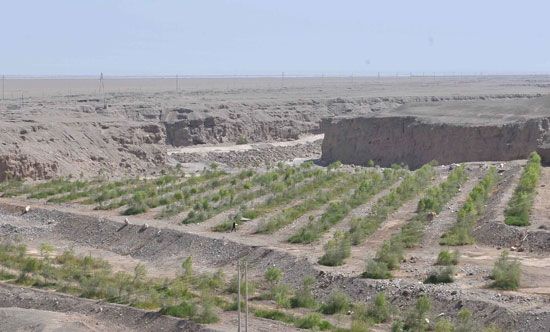
- Resource Management: The organization encourages private sector participation to ensure the sustainable use of natural resources and coordinates efforts to combat desertification and protect regional seas.12
- Global Advocacy: UNEP has been instrumental in organizing landmark conferences, such as the 1992 Earth Summit, which established frameworks for balancing environmental protection with economic growth.2
What is the organizational structure of UNEP and how does it operate globally?
The United Nations Environment Programme (UNEP) is headquartered in Nairobi, Kenya, and functions as the central coordinator for environmental activities within the United Nations system1.
Organizational Structure
The organization’s principal legislative body is the 58-member Governing Council. These members are elected by the UN General Assembly to serve four-year terms. To ensure global representation, seats are allocated by region as follows:1
- African states: 16 seats
- Asia: 13 seats
- Western Europe and other states: 13 seats
- Latin America and the Caribbean: 10 seats
- Eastern Europe: 6 seats
Global Operations
UNEP operates by bridging the gap between the scientific community and global policy. It utilizes scientific advisory groups to guide UN environmental projects and encourages private sector engagement to promote the sustainable use of natural resources.1
Globally, UNEP facilitates the exchange of environmental information through the Earthwatch monitoring system, which allows governments to assess and mitigate environmental risks. Furthermore, UNEP acts as the secretariat for various international conventions, including the Montreal Protocol and the Convention on Biological Diversity, where it services conferences, monitors implementation, and provides technical assistance.1
How does UNEP engage with youth and promote environmental education?
Sorry, the Britannica knowledge base does not contain information regarding how the United Nations Environment Programme specifically engages with youth or promotes environmental education.
The available records focus on the organization’s role in coordinating environmental activities, facilitating international agreements, and managing scientific data through systems like Earthwatch.12
What are some of the major environmental reports and assessments published by UNEP?
The United Nations Environment Programme (UNEP) does not publish a singular list of reports in the provided documentation; however, it is central to the creation and implementation of major international environmental frameworks and assessments.
UNEP facilitates the exchange of environmental information through the Earthwatch monitoring system, which enables governments to assess significant environmental risks. Furthermore, UNEP serves as the secretariat for several critical international conventions, where it provides data, monitors implementation, and services conferences for agreements such as:1
- Montreal Protocol on Substances That Deplete the Ozone Layer (1987): Focused on reducing ozone-depleting chemicals.1
- Basel Convention on the Control of Transboundary Movements of Hazardous Wastes and their Disposal (1989): Manages the movement and disposal of hazardous waste.1
- UN Convention on Biological Diversity (1992): A landmark agreement resulting from the Earth Summit in Rio de Janeiro.12
- Convention on the Prior Informed Consent Procedure for Certain Hazardous Chemicals and Pesticides in International Trade (1998): Coordinated alongside the Food and Agriculture Organization.1
Sources
- United Nations Environment Programme — Encyclopædia Britannica
- United Nations - The environment — Encyclopædia Britannica
Published on · 3 min read