Desertification
Desertification disrupts the hydrologic cycle by degrading the soil-plant systems that regulate water storage and flow. As vegetation cover is lost, the…
How does desertification affect the water cycle in an ecosystem?
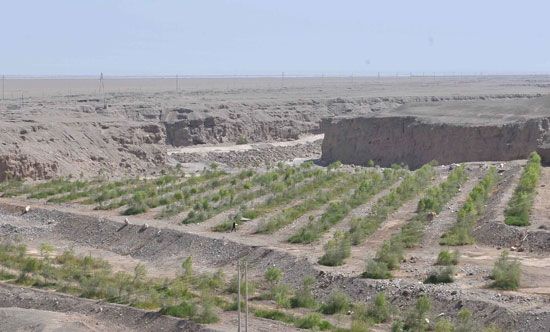
Desertification disrupts the hydrologic cycle by degrading the soil-plant systems that regulate water storage and flow. As vegetation cover is lost, the ecosystem loses its ability to act as a sponge, leading to several negative impacts:1
- Reduced Infiltration and Storage: Without perennial plant cover and deep root systems to bind the soil, the land loses its capacity to absorb precipitation. This reduces the amount of water that infiltrates the soil, subsequently lowering groundwater levels and decreasing potable water stocks.123
- Increased Runoff and Flooding: Unforested or sparsely vegetated land sheds water rapidly rather than allowing it to percolate. This leads to sudden, high-velocity runoff, which increases the risk of flooding and causes greater sedimentation in rivers and lakes.13
- Altered Evapotranspiration: The loss of plant life reduces transpiration, a key process in returning moisture to the atmosphere, which can further destabilize local climate patterns.1
Ultimately, these changes transform reliable, gradual water yields into erratic, destructive flows, exacerbating the scarcity of water in already vulnerable dryland environments.31
How does desertification impact local ecosystems and biodiversity?
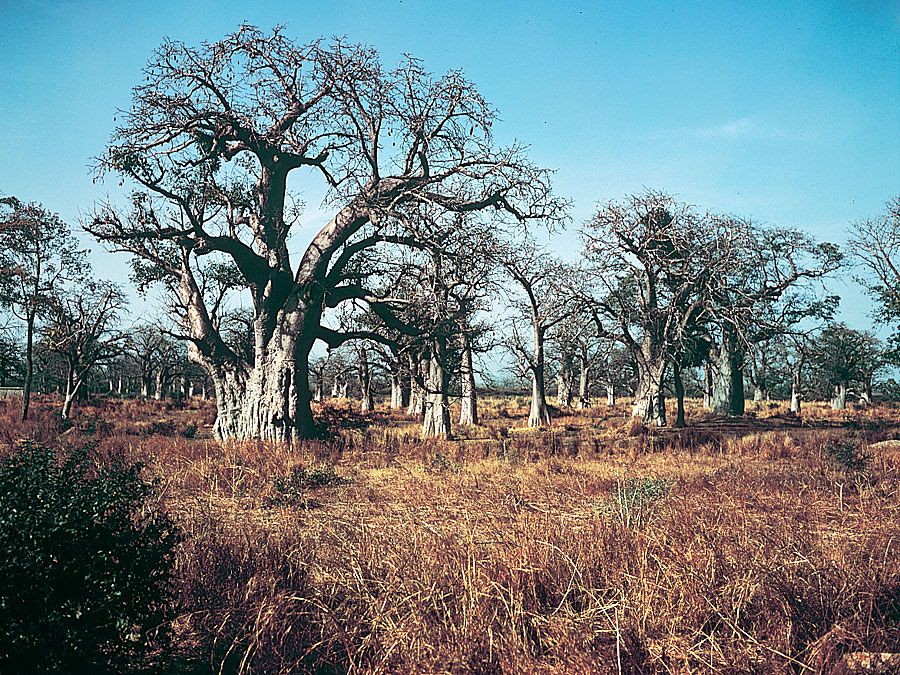
Desertification is the process by which natural or human-driven factors reduce the biological productivity of drylands, including grasslands and scrublands. This degradation significantly impacts local ecosystems and biodiversity through several mechanisms:1
- Loss of Vegetation and Habitat: The reduction of perennial plant cover diminishes available forage for livestock and destroys essential habitats for native species. As vegetation is lost, the ecosystem’s ability to support diverse life forms declines.4
- Altered Plant Communities: Overgrazing can shift the composition of plant communities. By consuming preferred species and leaving others, livestock provide a competitive advantage to inedible plants, such as cacti or mesquite, which may then prevent the recovery of original grasses.5
- Soil Degradation: Trampling by livestock compacts the soil and destroys roots that bind the earth together. This leads to increased erosion, where topsoil is washed away during rain events, further hindering the ability of the land to support plant life.5
- Environmental Stress: Desertification exacerbates droughts, reduces groundwater availability, and increases pollution from dust and sedimentation, creating a hostile environment for many organisms.4
What are some of the social and economic consequences of desertification?
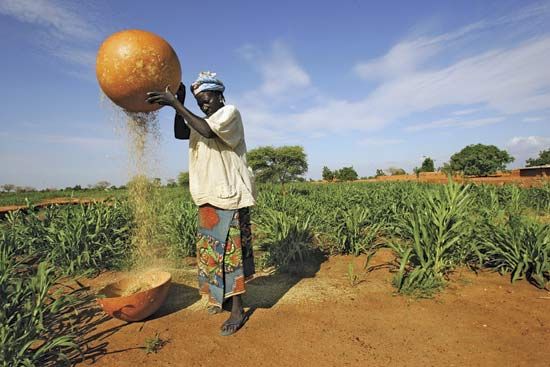
Desertification significantly undermines the stability of human societies and economies that rely on dryland environments. The degradation of these ecosystems leads to several severe consequences:
- Agricultural Decline: Reduced biological productivity results in crop failures and lower yields in rain-fed farming, threatening food security.1
- Resource Scarcity: The loss of perennial plant cover reduces available forage for livestock, while a decrease in woody biomass creates shortages of essential fuelwood and building materials.1
- Water Insecurity: Diminished surface water and groundwater flow lead to a critical decrease in potable water stocks.1
- Infrastructure and Settlement Damage: Increased sand dune intrusion can bury croplands and settlements, while rising sedimentation in rivers and lakes exacerbates flooding risks.1
- Socioeconomic Instability: Factors such as poverty and political instability are both drivers and outcomes of these environmental changes, creating a cycle that is difficult to break.5
What is desertification and how does it relate to ecology?
Desertification is the process by which natural or human-driven factors reduce the biological productivity of drylands, which include grasslands, scrublands, and existing deserts. It is important to clarify that this term does not refer to the physical expansion of existing deserts, but rather to the degradation of these diverse dryland ecosystems.5
The relationship between desertification and ecology is profound, as the process disrupts the balance of organisms and their environment. Key ecological impacts include:1
- Soil Degradation: Unsustainable practices, such as overgrazing, can compact soil and destroy the roots that bind the earth together, leading to increased erosion and loss of vital nutrients.73
- Altered Plant Communities: Grazing pressure can shift the composition of plant life, giving a competitive advantage to inedible species like cacti or mesquite at the expense of native grasses.3
- Environmental Stress: The loss of perennial vegetation leaves soil exposed to wind and torrential rain, while droughts and reduced groundwater further hinder the land’s ability to recover1.7
Sources
- desertification - Causes and consequences of desertification — Encyclopædia Britannica
- forestry - Watershed management and erosion control — Encyclopædia Britannica
- desertification - Rain-fed croplands — Encyclopædia Britannica
- Deforestation - Effects — Encyclopædia Britannica
- desertification — Encyclopædia Britannica
- desertification - Grazing lands — Encyclopædia Britannica
- desertification — Merriam-Webster
- soil - Soils in ecosystems — Encyclopædia Britannica
Published on · 3 min read