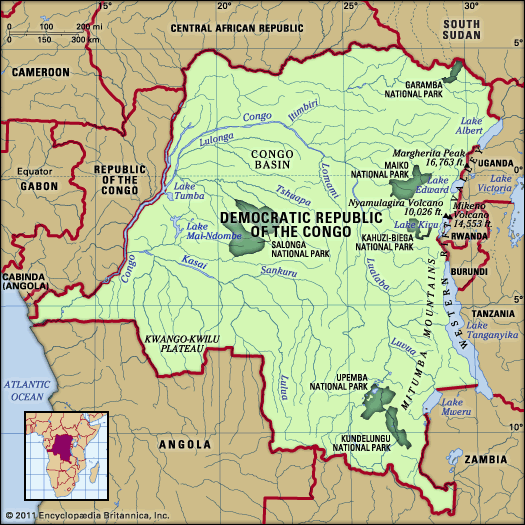
Virunga National Park
Virunga National Park is distinguished by its exceptional habitat diversity, ranging from snow-capped mountains and glaciers to tropical rainforests…
How does Virunga National Park compare to other national parks in Africa in terms of biodiversity and conservation efforts?
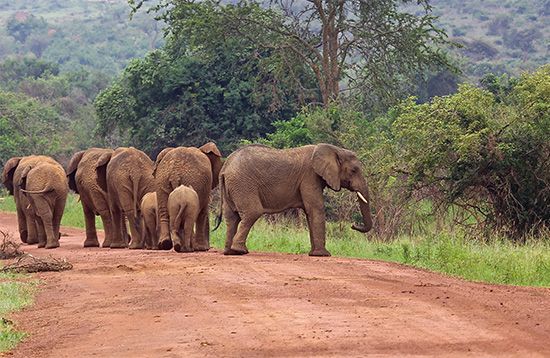
Virunga National Park is distinguished by its exceptional habitat diversity, ranging from snow-capped mountains and glaciers to tropical rainforests, savannas, and lava plains. This variety supports a unique array of wildlife, most notably the rare mountain gorilla, as well as elephants, lions, and hippopotamuses.12
Regarding conservation, the park faces significant challenges that differentiate it from many other African protected areas. While it was designated a UNESCO World Heritage site in 1979, it was placed on the List of World Heritage in Danger in 1994. This status reflects the severe impact of regional conflict, which has led to an influx of refugees, increased poaching, and deforestation. Furthermore, the park has struggled with serious security issues, including threats to the safety of both tourists and park rangers. While other African parks may face similar pressures, the scale of human displacement and ongoing security instability in the region has created a uniquely complex environment for conservation management.1
What is the historical significance of Virunga National Park, and when was it established?
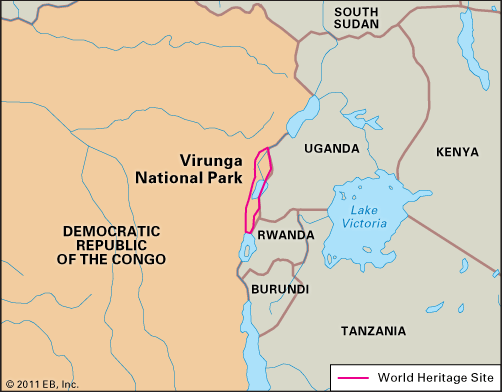
Virunga National Park was established in 1925 in the northeastern Democratic Republic of the Congo. It holds significant historical and ecological importance as one of Africa’s oldest protected areas, renowned for its immense biodiversity and dramatic landscape, which includes active volcanoes like Mount Nyiragongo and Mount Nyamulagira, as well as the snow-capped Ruwenzori Range.12
The park’s significance was internationally recognized in 1979 when it was designated a UNESCO World Heritage site. However, its history is also marked by the challenges of the late 20th century. In 1994, it was placed on the List of World Heritage in Danger due to the influx of refugees fleeing conflict in neighboring Rwanda, which led to increased poaching, deforestation, and the growth of permanent human settlements within its boundaries. Despite these ongoing security and environmental pressures, the park remains a critical sanctuary for rare species, most notably the mountain gorilla.12
What are the main ecosystems and habitats found within Virunga National Park?
Virunga National Park is characterized by a remarkable diversity of ecosystems and habitats, shaped by its wide range of elevations and climates. These include:
- Forests: The park features various forest types, including dense tropical rainforests and bamboo forests, as well as cloud forests that cloak the slopes of the Virunga Mountains.
- Volcanic and Alpine Landscapes: The park contains dramatic lava plains and high-altitude areas in the Ruwenzori Range, where some peaks are permanently snow-capped and feature glaciers.
- Wetlands and Water Bodies: Significant aquatic habitats include Lake Edward, which occupies much of the central region, as well as extensive marshes and peat bogs.
- Open Landscapes: The park encompasses vast savannas and areas of eastern steppe vegetation.
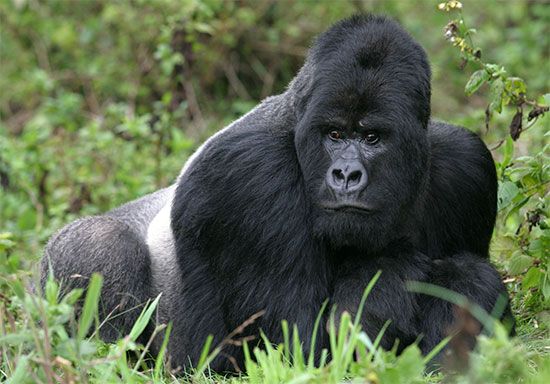
This mosaic of environments supports a rich variety of wildlife, ranging from rare mountain gorillas in the forested highlands to elephants, lions, and hippopotamuses in the lower-lying savannas and lake regions.1
Which endangered species are protected in Virunga National Park, and why is it important for conservation?
Virunga National Park is a vital sanctuary for a wide array of wildlife, including several species that face significant threats. Among the most notable animals protected within the park are the rare mountain gorillas, as well as elephants, lions, hippopotamuses, okapis, and various species of antelope.1
The conservation of this park is of profound importance due to its exceptional biodiversity, which is supported by a unique mosaic of habitats ranging from active volcanoes and lava plains to tropical rainforests, bamboo forests, and alpine vegetation. By sheltering these diverse ecosystems, the park serves as a critical refuge for species that have seen their populations diminish due to poaching, habitat loss, and the disruption of natural migration patterns caused by human encroachment and regional conflict. Protecting these areas is an ethical imperative to ensure the survival of endangered wildlife and to maintain the ecological integrity of one of Africa’s most significant natural landscapes.142
Sources
- Virunga National Park — Encyclopædia Britannica
- Goma: Top Questions — Encyclopædia Britannica
- Virunga Mountains — Encyclopædia Britannica
- Democratic Republic of the Congo - Plant and animal life — Encyclopædia Britannica
Published on · 3 min read