Vltava River
The Vltava River is most famously depicted in music through the symphonic poem titled The Moldau (or Vltava), composed by the Bohemian musician Bedřich…
How has the Vltava River been depicted in famous works of art or music?
The Vltava River is most famously depicted in music through the symphonic poem titled The Moldau (or Vltava), composed by the Bohemian musician Bedřich Smetana.12
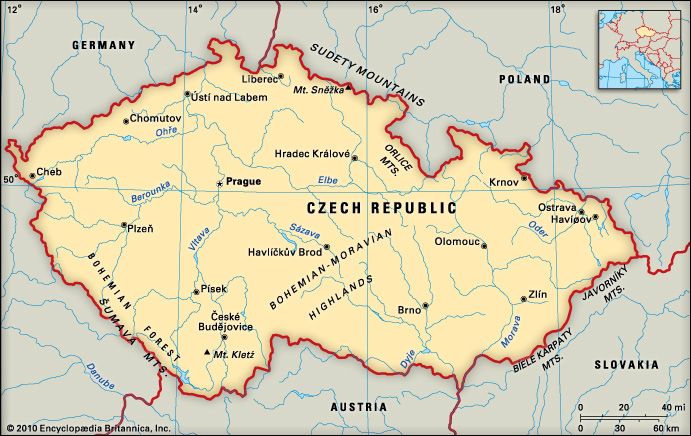
Completed in 1874, this work serves as the second movement of Smetana’s six-part suite, Má vlast (My Country), which celebrates the landscapes and legends of his homeland. The composition uses musical storytelling to trace the river’s journey from its source in the Bohemian Forest to its passage through the Czech countryside and into PragueCzech-Republic) countryside and into Prague.1
Smetana’s evocative score captures various scenes along the riverbanks, including:
- Mountain Springs: Represented by light, rippling figures.1
- Rural Life: Portrayed through a hunting melody and a polka-rhythm wedding scene.1
- Mythology: Mysterious melodies depicting water nymphs bathing in moonlight.1
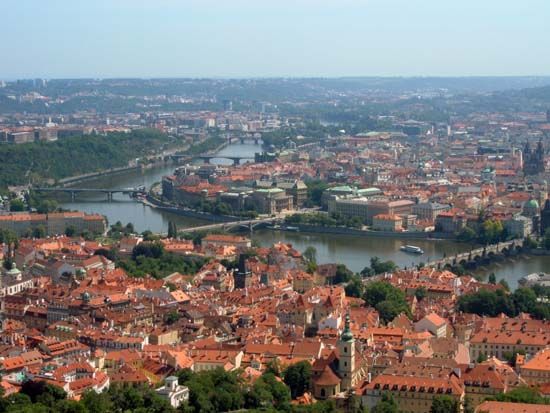
- The City: A regal hymn as the river flows past the historic Vyšehrad castle.1
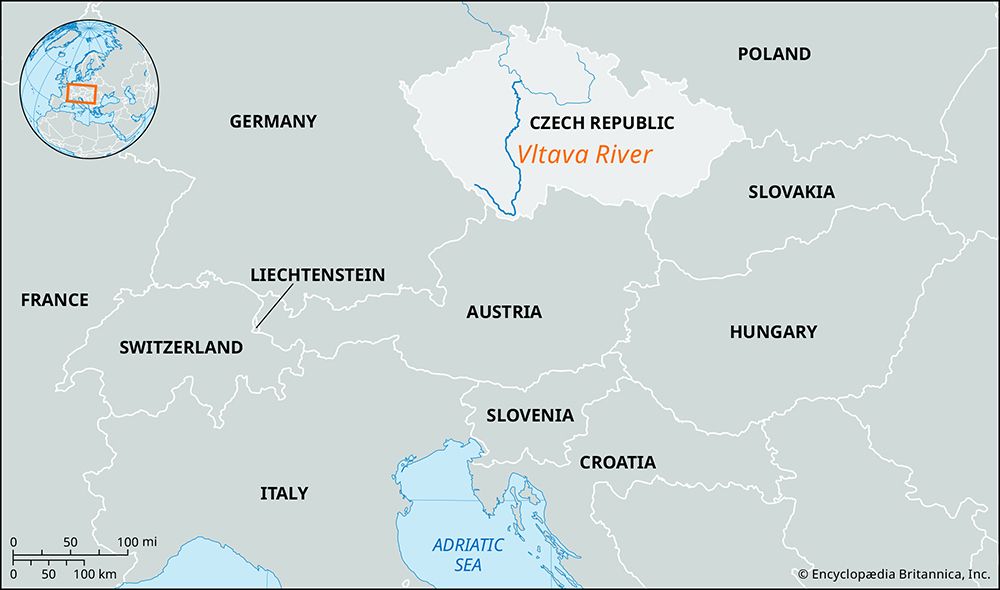
What is the geographical significance of the Vltava River in the Czech Republic?
The Vltava River holds significant geographical and economic importance for the Czech Republic. As the country’s longest river, flowing 270 miles (435 km), it serves as a vital waterway that connects major urban centers, including Prague and České Budějovice, to the broader European transport network.2
Key aspects of its significance include:
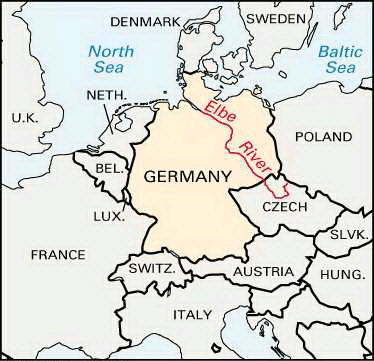
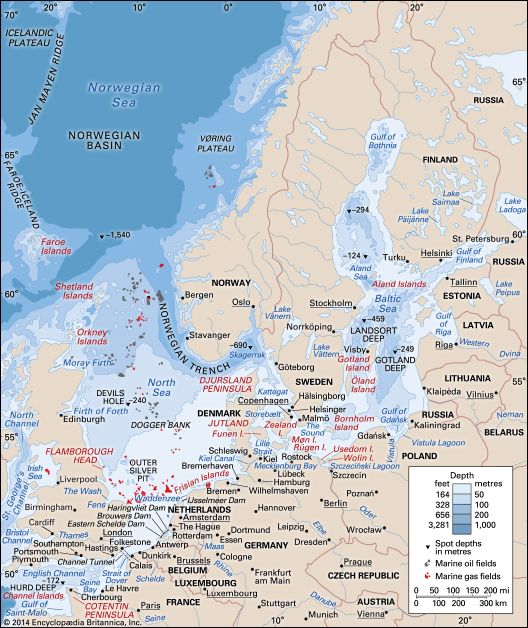
- Hydrological Role: The Vltava is a major tributary of the Elbe River. It joins the Elbe at Mělník, creating a navigable route that allows river traffic to travel from Prague all the way to Hamburg and the North Sea4.4
- Energy and Infrastructure: The river is a critical source of hydroelectric power. Its middle and lower courses feature large dams and reservoirs that provide both energy and recreational facilities.25
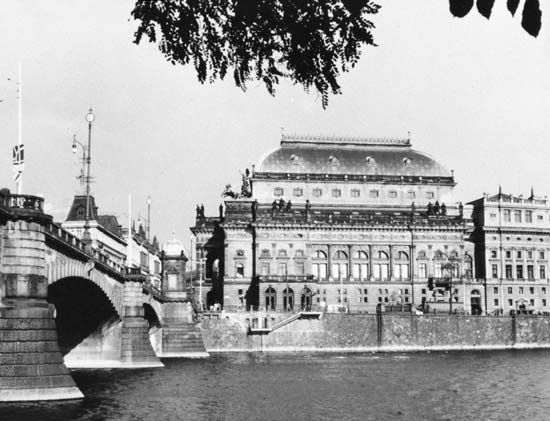
- Cultural and Historical Hub: The river has shaped the development of the region, most notably by defining the landscape of Prague, which has served as the capital of Bohemia since the Middle Ages.26
How does the Vltava River contribute to the Czech Republic’s economy and transportation system?
The Vltava River serves as a critical component of the Czech Republic’s infrastructure and economic landscape. Its contributions are primarily categorized into energy production and transportation:
- Transportation: The Vltava is one of the country’s principal navigable rivers. It is navigable from Prague to Mělník, where it joins the Elbe River. This connection creates a vital waterway that allows river traffic to travel northward through Germany all the way to the port of Hamburg and the North Sea. Prague functions as the chief port for this river system.27
- Energy: The river is a significant source of hydroelectric power. Large dams constructed along its middle and lower courses generate electricity and create reservoirs that also provide valuable recreational facilities for the region.74
By facilitating both industrial transport and energy generation, the Vltava remains an essential natural asset for the nation’s economic stability.47
What is the origin of the name ‘Vltava’ and does it have any special meaning?
The name “Vltava” does not have a widely documented etymological origin or specific meaning provided in standard geographical or historical references. While the Vltava River is the longest river in the Czech Republic and holds deep cultural significance—most famously as the subject of the second symphonic poem in Bedřich Smetana’s cycle Má vlast (“My Country”)—its name remains a proper noun without a universally cited translation or ancient root.82
The river rises in the Bohemian Forest from two headstreams, the Teplá Vltava and the Studená Vltava, before flowing north through Bohemia to join the Elbe River at Mělník.2
Sources
- The Moldau — Encyclopædia Britannica
- Vltava River — Encyclopædia Britannica
- 9 Buildings Worth Visiting in the Czech Republic - Palace of the Archbishop at Hradcany — Encyclopædia Britannica
- Czech Republic - Drainage and soils — Encyclopædia Britannica
- Elbe River — Encyclopædia Britannica
- Czech Republic: Top Questions — Encyclopædia Britannica
- Czech Republic - Transportation and telecommunications — Encyclopædia Britannica
- Vltava — Merriam-Webster
Published on · 3 min read