Whanganui River
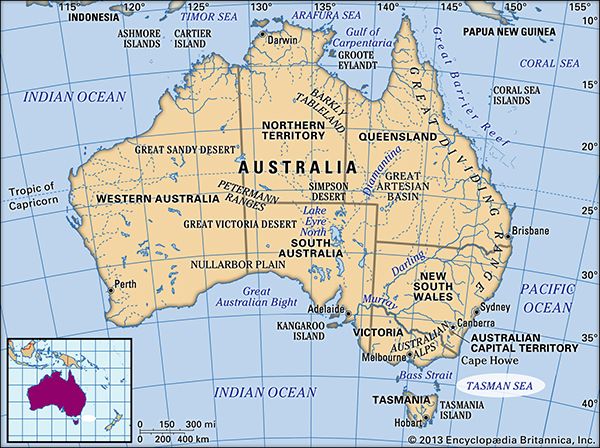
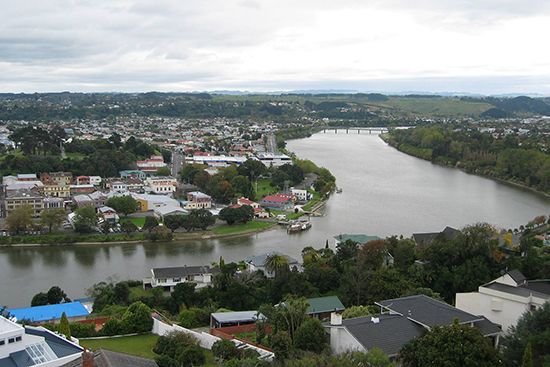
The Whanganui River is a 180-mile (290-km) waterway located on the North Island of New Zealand. Rising on the slopes of Mount Ngauruhoe, it flows northwest…
What is Whanganui River?
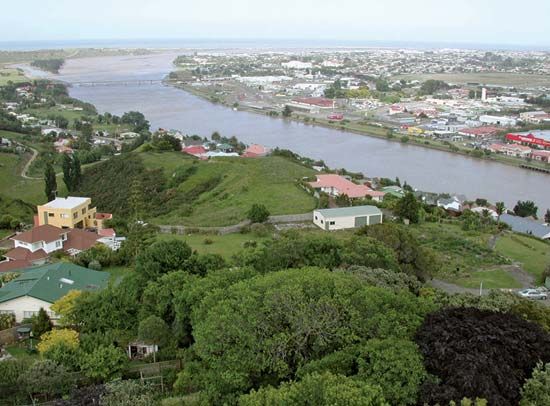
The Whanganui River is a 180-mile (290-km) waterway located on the North Island of New Zealand. Rising on the slopes of Mount Ngauruhoe, it flows northwest to Taumarunui before turning south to empty into the Tasman Sea. It is the country’s third-longest river, draining a basin of 2,850 square miles (7,380 square km).1
The river holds profound cultural significance for the Māori, who regard it as an ancestor. In a landmark legal development in 2017, the Whanganui became the first river in the world to be granted the same legal rights as a human being.1
While the river is navigable by small boats, it faces environmental challenges, including impacts from local farming and the diversion of headwaters for hydroelectric power. The river valley, which encompasses a national park of great scenic beauty, is part of the Manawatū-Whanganui region.12
What does it mean for a river to have legal personhood?
Granting a river legal personhood means recognizing it as a legal entity with rights, duties, and protections similar to those afforded to a human being under the law. This status shifts the river’s standing from being mere property—which can be owned or exploited—to being a recognized entity with its own inherent interests that must be considered in legal and environmental decisions.13
In the case of the Whanganui River, this designation reflects the deep cultural belief of the Māori people, who view the river as an ancestor. By granting it legal personhood, the law provides a framework to protect the river against mistreatment and environmental degradation, ensuring its health and integrity are prioritized. This approach contrasts with traditional property law doctrines, such as riparian rights, which typically focus on human usage and the allocation of water as a resource.134
Advocates argue that extending such status to nature is an essential step in safeguarding ecosystems from exploitation.3
How do the Māori people view their connection to the natural world?
The Māori people maintain a profound and spiritual connection to the natural world, viewing themselves as tangata whenua, or “people of the land.” This relationship is rooted in the belief that natural features—such as rivers, mountains, and forests—are not merely resources but living ancestors with their own inherent mana and identity.156
Central to this worldview is the concept of whakapapa, which refers to genealogy and the interconnectedness of all things. Through whakapapa, Māori trace their lineage back to the natural environment, fostering a sense of stewardship where land and water are held in trust by one generation for the next. This perspective is reflected in cultural practices such as the granting of legal personhood to the Whanganui River, which formally recognizes the river as an ancestor rather than property.715
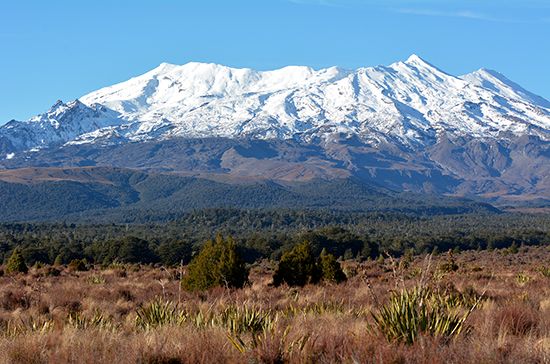
Furthermore, the natural landscape is deeply woven into Māori oral traditions, mythology, and religious life. Mountains like Mount Ruapehu hold immense cultural and religious significance, serving as physical manifestations of their heritage and history.6
What are the environmental challenges facing the Whanganui River today?
The Whanganui River faces several environmental challenges primarily driven by human activity and infrastructure development.
- Hydroelectric Diversion: A portion of the river’s headwaters is diverted to support a hydroelectric system. Although the volume of water removed is relatively small, the diversion specifically targets the river’s cleanest and coldest water, which can negatively impact the river’s overall health and ecological balance.1
- Agricultural Impact: Local farming practices along the river basin have contributed to environmental degradation, affecting water quality and the surrounding ecosystem.1
These issues are particularly significant given the river’s status as a living ancestor to the Māori people, whose efforts led to the river being granted legal personhood in 2017 to help ensure its protection and integrity.1
Sources
- Whanganui River — Encyclopædia Britannica
- Manawatū-Whanganui — Encyclopædia Britannica
- Riparian right — Encyclopædia Britannica
- Legal personhood: Top Questions — Encyclopædia Britannica
- Māori — Encyclopædia Britannica
- whakapapa — Merriam-Webster
- New Zealand literature - Maori narrative: the oral tradition — Encyclopædia Britannica
- New Zealand - Sports and recreation — Encyclopædia Britannica
Published on · 3 min read