National Park
National parks serve as vital instruments for the preservation of the natural environment and the protection of biodiversity. By setting aside land for…
How do national parks contribute to conservation and biodiversity?
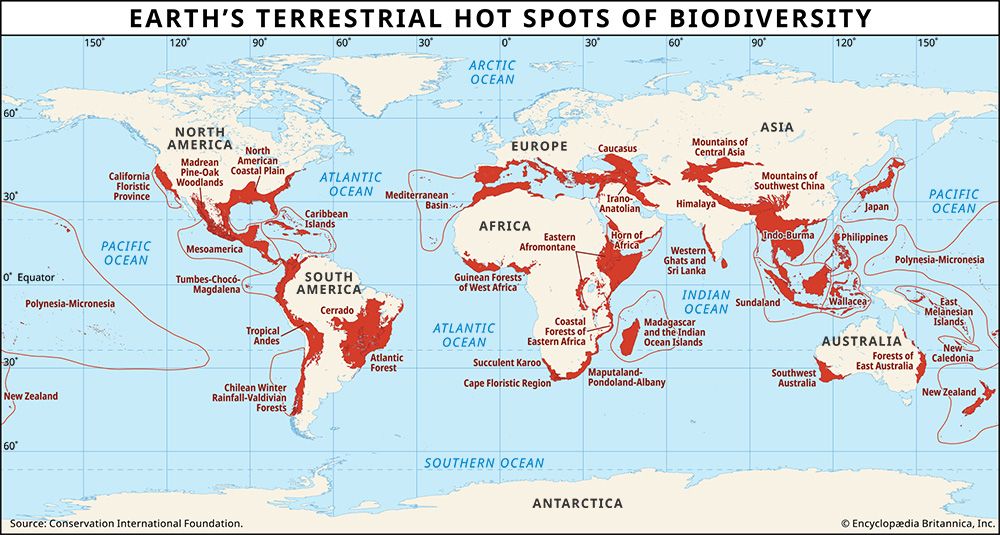
National parks serve as vital instruments for the preservation of the natural environment and the protection of biodiversity. By setting aside land for conservation, these areas facilitate in situ conservation, which protects entire ecosystems—including flora, fauna, and genetic resources—within their natural habitats.12
These parks contribute to conservation through several key mechanisms:
- Habitat Protection: Parks preserve representative habitats such as woodlands, grasslands, and wetlands, providing secure environments for diverse species.32
- Ecosystem Management: Effective management involves restoring degraded areas, managing water sources, controlling invasive weeds, and preventing forest fires to maintain ecological balance.2
- Species Recovery: Many parks act as core zones for specific recovery programs, such as India’s Project Tiger, which helps monitor populations and reintroduce species that have become locally extinct.2
- Connectivity: Transfrontier parks link protected areas across international borders, creating large-scale conservation zones that allow for the natural migration of animal populations.3
While tourism often supports the existence of these parks, their primary success depends on minimizing human interference and ensuring that wildlife remains unmolested.1
How are national parks managed and funded in different countries?
National parks are managed and funded by national governments, though the effectiveness of these systems varies significantly based on the resources provided by each state. While some governments allocate substantial budgets to ensure strict enforcement of regulations, others lack the necessary financial support to maintain their park systems effectively.1
In the United States, the National Park Service (NPS), an agency within the U.S. Department of the Interior, is responsible for administering over 400 areas. Established by an act of Congress in 1916, the NPS is mandated to conserve scenery, natural objects, and wildlife while ensuring these resources remain unimpaired for future generations.14
Globally, the management focus differs by region:
- North America: Systems often prioritize the protection of both land and wildlife.1
- United Kingdom: Management focuses primarily on the land itself.1
- Africa: Parks are largely dedicated to the conservation of animals.1
Most parks face a fundamental paradox: they rely on tourism for public interest and support, yet must minimize human contact with wildlife to ensure preservation. This is typically managed by restricting visitors to specific, limited areas.1
What are some of the most popular national parks in the world?
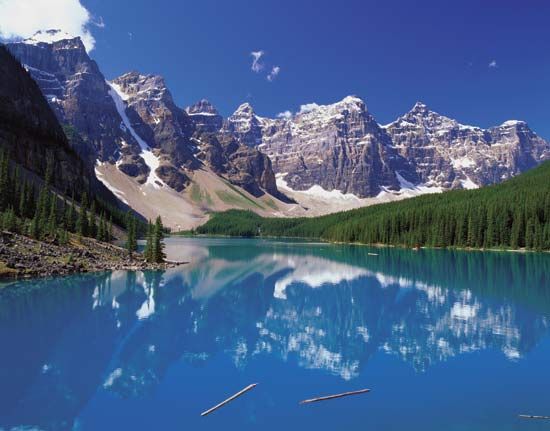
National parks around the world are celebrated for their unique landscapes, historical significance, and biodiversity. While many countries maintain extensive park systems, several stand out due to their global recognition and ecological importance.
Notable National Parks
- Yellowstone National Park: Widely considered the world’s first national park, this U.S. site is famous for its vast collection of hydrothermal features, including Old Faithful, as well as its diverse wildlife, such as bison, elk, and wolves.156
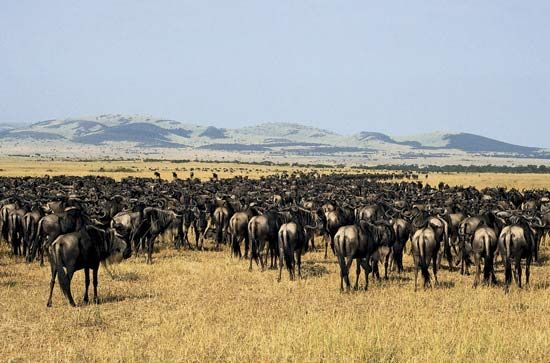
- Serengeti National Park: Located in Tanzania, this park is renowned for its expansive grasslands and as the site of the world’s most significant land-animal migrations, involving millions of wildebeests, zebras, and gazelles.7
- Grand Canyon National Park: This iconic American park features an intricately carved chasm that reveals millions of years of geological history, drawing millions of visitors annually.5
- Ngorongoro Conservation Area: Also in Tanzania, this area is home to the massive Ngorongoro Crater and supports some of the largest ungulate herds on Earth.8
- Olympic National Park: Known for its ecological diversity, this Washington State park preserves temperate rainforests, rugged mountains, and scenic coastlines.5
These sites, along with others like Rocky Mountain and Mount Rainier, represent the global effort to balance public recreation with the protection of natural heritage.15
What is a national park and why are they established?
A national park is an area designated by a national government to preserve the natural environment. These areas are established for several key purposes, including:
- Preservation: Protecting landscapes, plants, and animals in their natural state.110
- Public Recreation: Providing spaces for the public to enjoy and experience nature.110
- Scientific and Historical Interest: Safeguarding sites that hold significant scientific value or historical importance.110
The concept of state-owned nature reserves gained momentum in the late 19th century, with Yellowstone National Park often cited as the world’s first, established in 1872. However, some evidence suggests that Bogd Khan Mountain National Park in Mongolia may have been established as early as 1778.111
While the specific focus of these parks varies—ranging from wildlife conservation in Africa to land preservation in the United Kingdom—they generally aim to balance the paradox of encouraging tourism for public support while minimizing human impact on the protected ecosystem.1
Sources
- national park — Encyclopædia Britannica
- Africa - Conservation of Africa — Encyclopædia Britannica
- Kanha National Park — Encyclopædia Britannica
- National Park Service — Encyclopædia Britannica
- 7 Wonders of America — Encyclopædia Britannica
- Yellowstone National Park — Encyclopædia Britannica
- Serengeti National Park — Encyclopædia Britannica
- Ngorongoro Conservation Area — Encyclopædia Britannica
- Yellowstone National Park - Geology — Encyclopædia Britannica
- National Park Service - Origins of the U.S. national park system — Encyclopædia Britannica
- national park: Top Questions — Encyclopædia Britannica
Published on · 4 min read