What’s the Difference Between Urban and Rural?
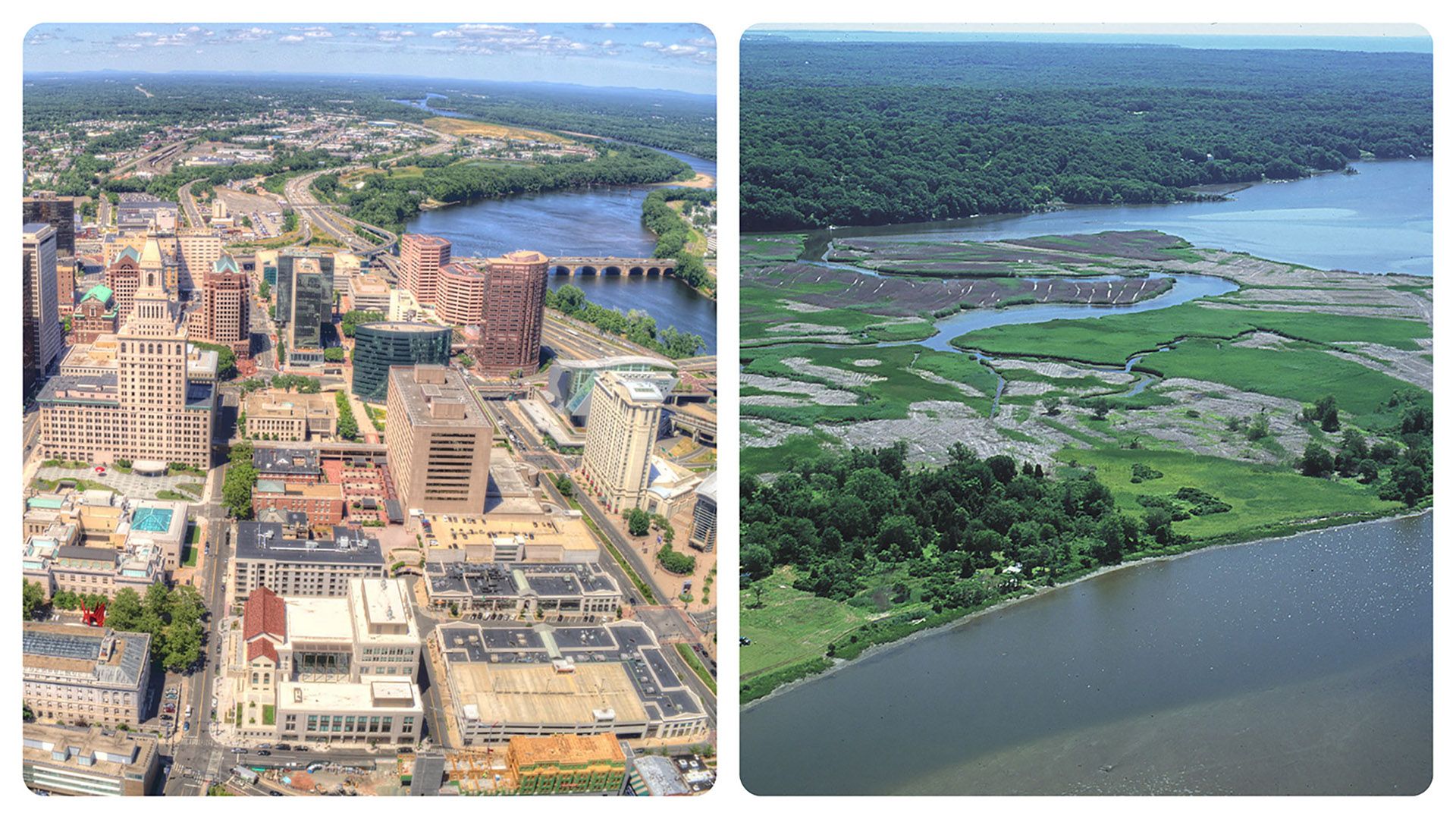
The primary distinction between urban and rural areas lies in population density and economic focus.
What’s the difference between urban and rural?
The primary distinction between urban and rural areas lies in population density and economic focus.1
Key Differences
- Population Density: Urban areas feature high concentrations of people in relatively small spaces, whereas rural areas have a low ratio of inhabitants to land, resulting in more spread-out communities.1
- Economic Activity: Urban centers are typically hubs for industry, commerce, and government. Conversely, rural regions are primarily centered on agriculture, raw material extraction, and production.1
- Social Structure: Sociologists note that urban life often involves specialized, impersonal relationships and a faster pace. Rural societies frequently prioritize traditional values, intimate social connections, and a slower pace of life.1
Definitions for these categories vary by region and census guidelines. For instance, the U.S. Census Bureau defines urban areas based on specific thresholds of housing units or population, with all other regions classified as rural.1
What is the definition of a suburban area?
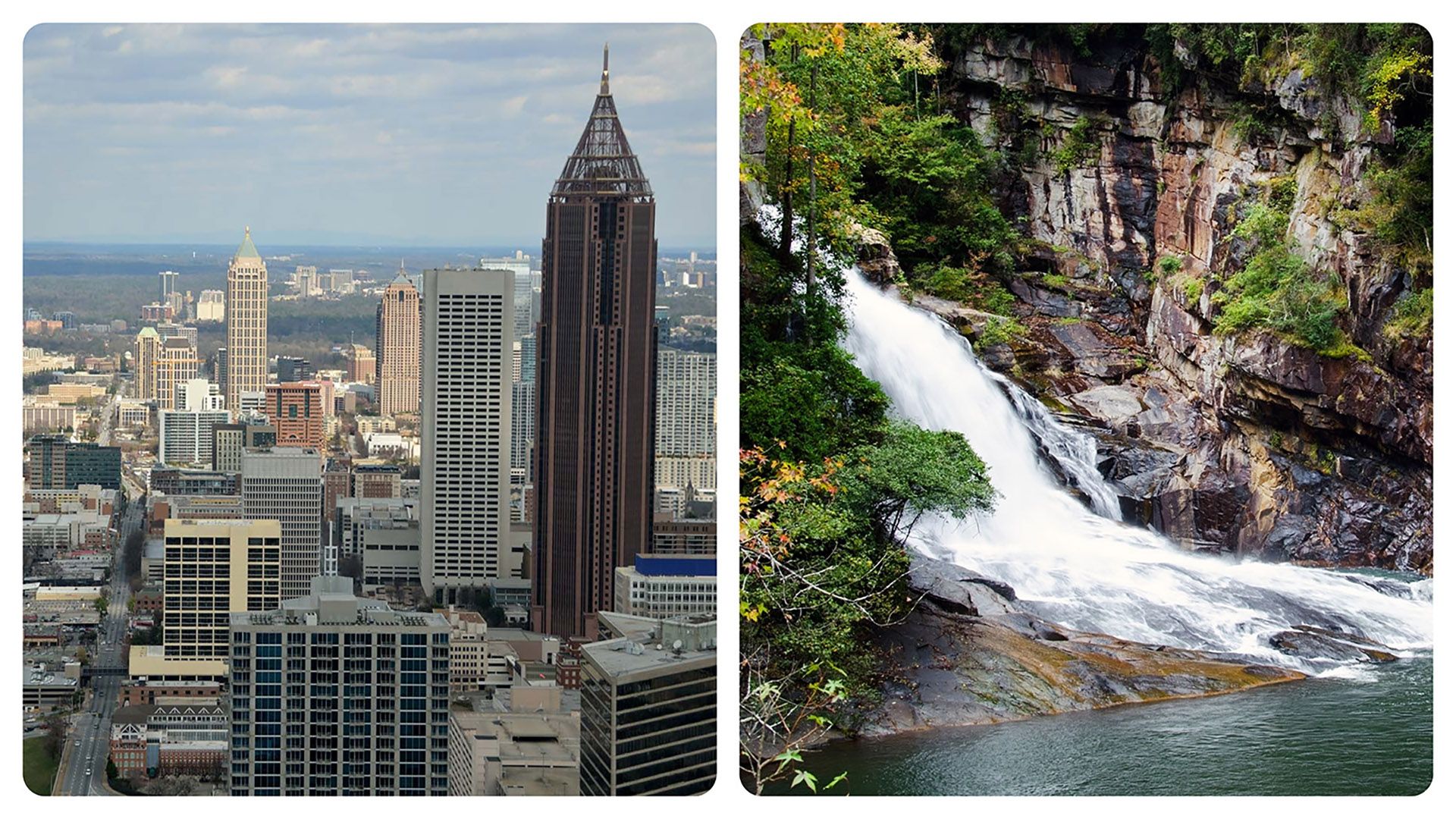
A suburb is defined as an outlying part of a city or town. While there is no single formal definition, the term generally refers to residential areas located in close proximity to an urban center. The prefix “sub-” in this context denotes proximity rather than inferiority or depth.45
Suburban areas are often characterized by lower population density than city cores and are frequently associated with single-family housing. In the United States, these areas experienced significant growth following World War II, driven by increased homeownership, the expansion of highway infrastructure, and the desire for residential space.46
Because the classification often relies on individual perception, some residents may consider their neighborhoods suburban even if they are located within city limits, while others living outside city boundaries may identify their communities as urban. Beyond the suburbs lie exurbs—affluent residential settlements located even further from the city core.467
How does population density affect local infrastructure?
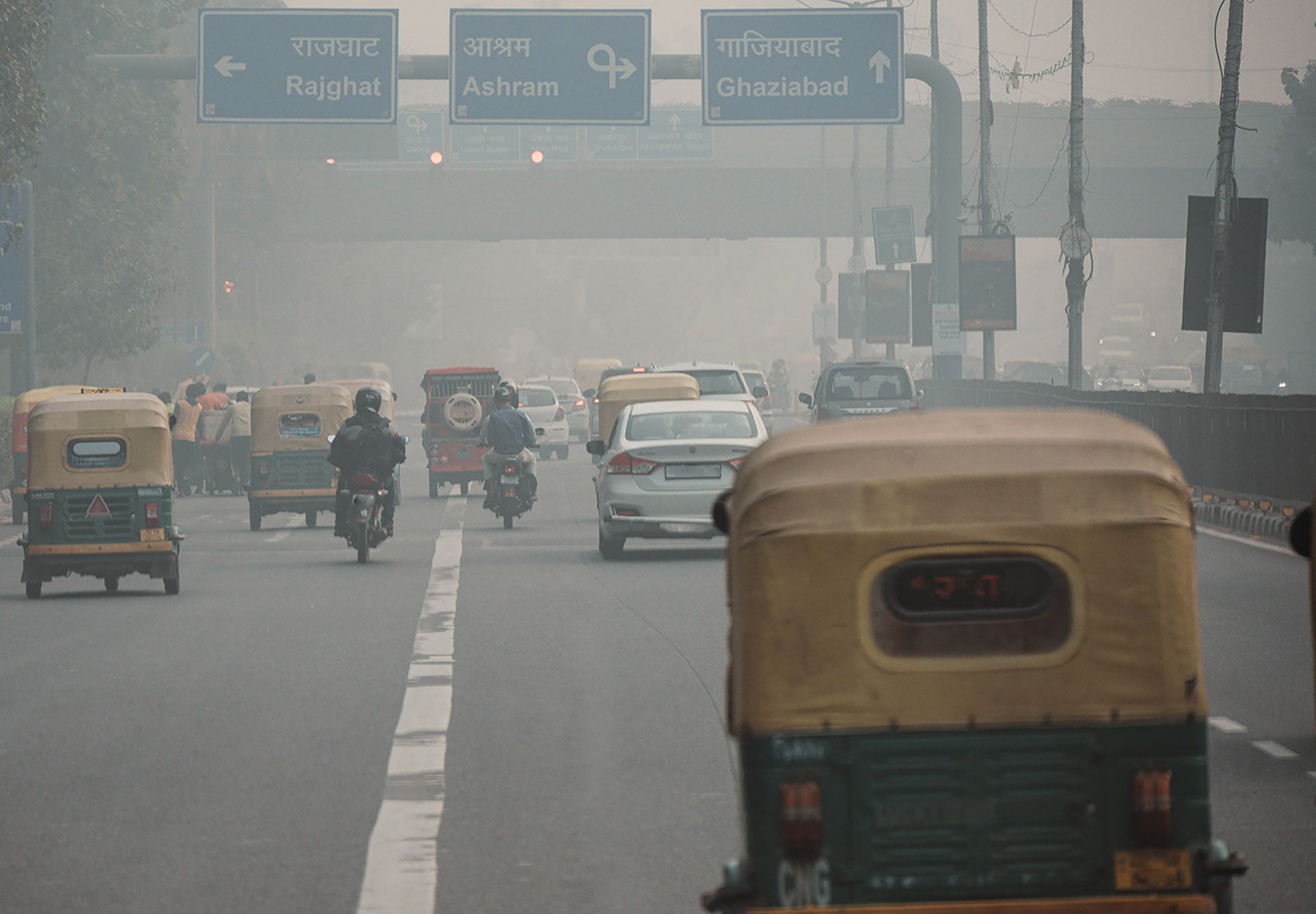
Population density is a primary factor in how governments and planners allocate resources and design infrastructure. The relationship between density and infrastructure is complex, influencing both the cost and the efficiency of essential services.11
Impact on Infrastructure and Services
- Resource Allocation: Governments use density data to determine where to build municipal services, such as police and fire stations, and how to distribute utilities like water and waste disposal.1211
- Transportation Efficiency: In high-density areas, mass transit systems—such as rail—are more viable because they can capture a large market share of commuters, reducing congestion and pollution. Conversely, low-density areas often require more extensive and costly infrastructure per capita, such as longer pipes for water delivery and more road maintenance, as homes and businesses are more dispersed.1314
- Cost Dynamics: While high-density environments allow for more efficient transit, they also involve higher capital costs for specialized infrastructure, such as underground tunnels or elevated guideways, which can cost significantly more per mile than ground-level construction in less dense regions.15
Planning Perspectives
Urban planners often view density as a key component of urban vitality. While some models historically favored spreading out development, contemporary approaches increasingly emphasize mixed-use development to keep trip distances short and infrastructure usage sustainable.1617
What are some common economic activities in rural regions?
Economic activities in rural regions are diverse, often extending well beyond traditional farming to include various sectors that support local livelihoods.
Agricultural and Primary Production
While many rural households rely on agriculture for subsistence or income, this sector has increasingly diversified. Key activities include:
- Livestock and Dairy: Dairy farming, poultry farming, and egg production are essential for boosting rural output.18
- Fisheries and Aquaculture: Inland fisheries and aquaculture contribute significantly to global food production.1819
- Horticulture and Cash Crops: Shifting toward high-value crops and horticulture helps improve earnings for small-scale farmers.18
- Forestry: Timber harvesting, often for fuel, remains a common practice in many rural areas.19
Non-Farm and Service Sectors
To supplement agricultural income, rural economies are increasingly incorporating non-farm activities:
- Tourism: In regions like the Alps and Vermont, tourism is a major economic driver, providing jobs in services, hospitality, and recreation.2021
- Industrial and Service Work: Manufacturing, construction, wage labor, and salaried positions are increasingly prominent.18
- Agro-processing: Industries focused on value addition for agricultural produce are vital for creating local employment.18
Sources
- What’s the difference between urban and rural? — Encyclopædia Britannica
- rural — Merriam-Webster
- rural district — Merriam-Webster
- suburbia — Merriam-Webster
- suburb — Encyclopædia Britannica
- urban sprawl - Environmental costs — Encyclopædia Britannica
- exurbs — Merriam-Webster
- exurb — Merriam-Webster
- The suburbs vs. the urbs — Merriam-Webster
- The suburbs vs. the urbs — Merriam-Webster
- city: Top Questions — Encyclopædia Britannica
- Population density: Top Questions — Encyclopædia Britannica
- mass transit - Costs — Encyclopædia Britannica
- mass transit - Effects of public policy — Encyclopædia Britannica
- urban planning - Competing models — Encyclopædia Britannica
- urban sprawl - Economic costs — Encyclopædia Britannica
- urban planning - Contemporary planning — Encyclopædia Britannica
- rural development in India - Diversification of rural income — Encyclopædia Britannica
- rural development in India: Top Questions — Encyclopædia Britannica
- Lesotho - Agriculture, forestry, and fishing — Encyclopædia Britannica
- Alps - Tourism — Encyclopædia Britannica
- Vermont - Tourism — Encyclopædia Britannica
Published on · 3 min read