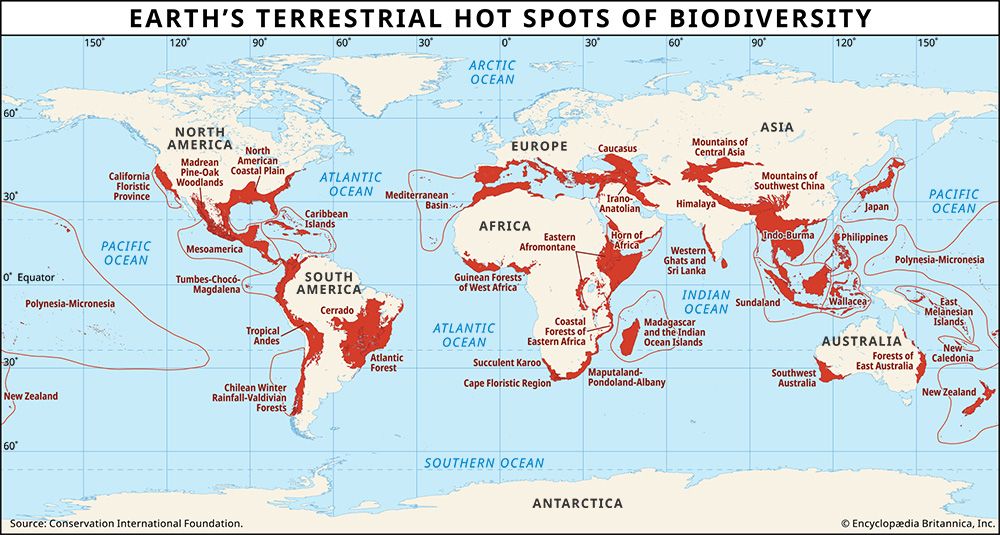
What Is the Christmas Bird Count?
The Christmas Bird Count is an annual, large-scale bird census organized by the National Audubon Society. It is one of the world's longest-running community…
What Is the Christmas Bird Count?
The Christmas Bird Count is an annual, large-scale bird census organized by the National Audubon Society. It is one of the world’s longest-running community science programs, having begun in 1900 as a conservation-minded alternative to the 19th-century tradition of “side hunts,” where participants competed to kill the most birds on Christmas Day.1
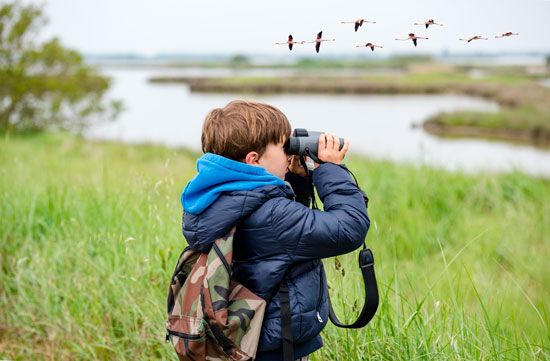
During the count, which occurs annually between December 14 and January 5, volunteers record birds observed within designated 24-km-diameter circles across the Western Hemisphere. This data is vital for conservation efforts, as it helps scientists track migratory patterns, population health, and the impacts of climate change on various habitats.1
By shifting from a practice of destruction to one of observation, the program exemplifies a commitment to the ethical stewardship of wildlife and the preservation of biodiversity.1
How does climate change affect bird migration patterns?
Climate change significantly impacts bird migration by altering the seasonal environmental cues that birds rely on to time their movements. While migration is partially governed by internal rhythms and the endocrine system, many species depend on external factors—such as temperature, food availability, and weather patterns—to initiate their journeys.234
As global warming shifts seasonal processes, it creates a mismatch between these birds and their environments. Key effects include:
- Altered Timing: Rising temperatures are leading to earlier spring events, such as vegetation greening and insect hatching. Birds that rely on these resources may find their migration timing out of sync with peak food availability.2
- Range Shifts: Many species are attempting to relocate to regions with more favorable climates. However, this process is often hindered by human-made obstacles like highways, walls, and artificial waterways.2
- Increased Stress: The rapid pace of current climatic changes challenges the natural adaptive capacity of many species. When combined with non-climatic stressors, such as habitat loss, the risk of population decline or extinction increases significantly.2
We could dive deeper into how specific species are adapting their migratory routes or explore the broader consequences of these shifts on global biodiversity.
What is the difference between community science and professional research?
Sorry, the Britannica knowledge base does not contain information comparing community science to professional research. The provided search results define science journalism and biological communities, but they do not address the distinction between community-led scientific efforts and professional research practices.
What are some common bird species found in winter?
Bird species found during the winter can be categorized into two main groups: those that remain as year-round residents in colder climates and those that migrate to specific regions to escape harsh conditions.
Resident Species
In regions with harsh winters, such as the taiga, only a few bird species remain throughout the year due to limited food availability. These resilient residents include:
- Corvids: The common raven (Corvus corax).9
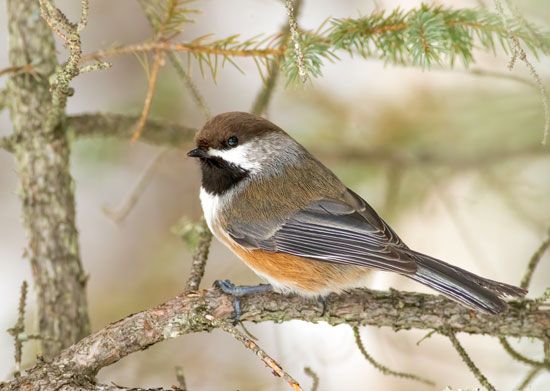
- Chickadees and Tits: The boreal and black-capped chickadees of North America and the Siberian tit (Parus species).9
- Woodpeckers: Species such as the northern three-toed woodpecker (Picoides tridactylus) and the great spotted woodpecker (Dendrocopos major).9
Migratory Winter Residents
Many birds travel to warmer climates to spend the winter months. Common wintering areas include the Gulf States, Mexico, Central America, and parts of South America. Notable wintering birds include:1011
- Waterfowl: Ducks, geese, and swans often congregate in lake and river regions. Specific examples include the northern pintail and garganeys.119
- Songbirds and Others: The American robin and various species of grackles assemble in large flocks in the Gulf States. Additionally, the black-legged kittiwake is specifically noted as a bird seen chiefly in winter.105
Sources
- What Is the Christmas Bird Count? — Encyclopædia Britannica
- How do birds know when to fly south? — Encyclopædia Britannica
- Global warming - Environmental consequences of global warming — Encyclopædia Britannica
- Migration - Physiological stimulus of migration — Encyclopædia Britannica
- Migration - Origin and evolution of migration — Encyclopædia Britannica
- Migration - Ecological significance of migration — Encyclopædia Britannica
- science and technology journalism - Definition(s) of science journalism — Encyclopædia Britannica
- community — Encyclopædia Britannica
- Taiga - Birds — Encyclopædia Britannica
- Migration - In North America — Encyclopædia Britannica
- Migration - In Europe — Encyclopædia Britannica
- winter bird — Merriam-Webster
Published on · 3 min read