Why Do Cats Clean Themselves So Much?
Cats are meticulous groomers, dedicating 30 to 50 percent of their waking hours to cleaning themselves. This behavior is driven by several biological and…
Why do cats clean themselves so much?
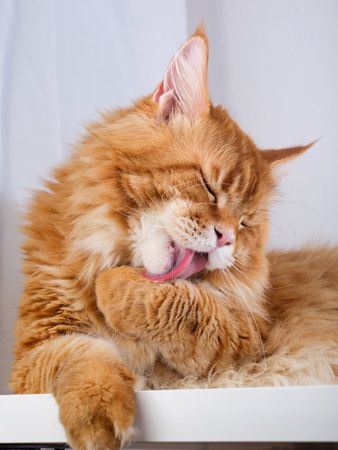
Cats are meticulous groomers, dedicating 30 to 50 percent of their waking hours to cleaning themselves. This behavior is driven by several biological and social factors:12
- Hygiene and Health: Using their tongues—which feature specialized, backward-pointing spines called papillae—cats remove dirt, debris, and dead skin. This process also stimulates blood circulation and distributes sebaceous oils that provide water resistance to their coat.12
- Survival Instincts: In the wild, grooming removes odors that might alert predators, helping cats remain stealthy.1
- Temperature Regulation: As saliva evaporates from their fur, it provides a cooling effect that helps regulate body temperature.12
- Social Bonding and Stress Relief: Grooming is a soothing activity that reduces stress. Furthermore, cats engage in “allogrooming,” where they groom one another to reinforce social bonds and reduce tension.1
While self-grooming is effective, regular human assistance—such as brushing—is often necessary to prevent matting and reduce the formation of hairballs.2
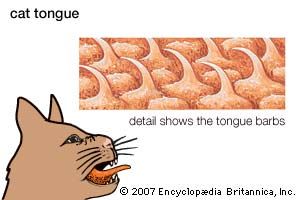
What are papillae and how do they help a cat groom?
Papillae are numerous sensory knobs located on a cat’s tongue that give it a characteristic raspy, sandpaper-like texture. These structures are hooked, hollow, and point backward toward the throat.13
These specialized spines are essential for a cat’s grooming process in several ways:
- Debris Removal: The hooked shape allows the tongue to act like a comb, effectively removing loose hairs, dead skin flakes, dust, dirt, and burrs from the fur.23
- Oil Distribution: By running the papillae through their coat, cats spread sebaceous oils produced by the skin, which helps keep the fur shiny and water-resistant.23
- Feeding Utility: Beyond grooming, these backward-pointing hooks are adapted for rasping flesh from the bones of prey and scooping up water when drinking.13
While papillae make cats highly efficient at maintaining their own hygiene, they also contribute to the ingestion of loose hair, which can lead to the formation of hairballs.3
What is allogrooming and why do cats do it?
Allogrooming is a social behavior in which cats groom one another. While self-grooming is primarily focused on hygiene and survival, allogrooming serves as a vital tool for feline social interaction.1
Cats engage in this behavior for several key reasons:
- Social Bonding: By grooming each other, cats reinforce their social connections and strengthen the bond between members of the same group or household.1
- Tension Reduction: Allogrooming acts as a mechanism to reduce stress and alleviate tension, helping to maintain harmony within a feline social group.1
Essentially, while self-grooming keeps a cat clean and stealthy, allogrooming functions as a way for cats to communicate and maintain positive relationships with their companions.1
How can owners help prevent hairballs in their cats?
To help prevent hairballs, which are dense accumulations of swallowed hair in the digestive tract, owners can take several proactive steps:
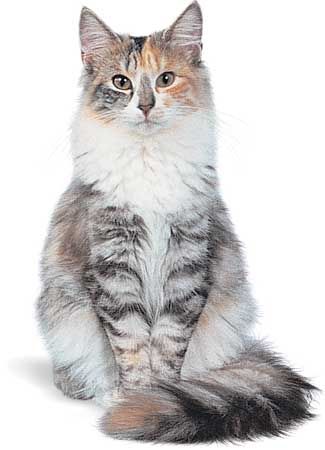
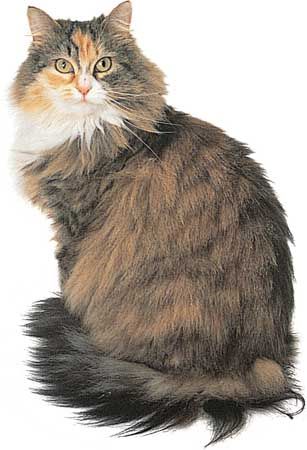
- Regular Brushing: Frequent brushing is one of the most effective ways to remove loose hair before a cat can ingest it during self-grooming. For longhaired breeds, such as the Persian, Norwegian Forest Cat, or Maine Coon, daily or near-daily combing is often necessary to manage their dense coats and prevent mats.456
- Lubricants and Laxatives: The oral administration of small amounts of petroleum jelly or specialized petrolatum paste laxatives can help hair pass through the digestive system more easily.45
While occasional vomiting is common, owners should monitor their cats for signs of a dangerous obstruction, such as persistent heaving, gagging, or constipation, which require immediate veterinary attention.4
Sources
- Why do cats clean themselves so much? — Encyclopædia Britannica
- cats as pets - Grooming cats — Encyclopædia Britannica
- cat - Taste — Encyclopædia Britannica
- cats as pets - Hair balls and vomiting — Encyclopædia Britannica
- hairball — Encyclopædia Britannica
- cats as pets - Longhaired cats — Encyclopædia Britannica
Published on · 3 min read