Why Do Skunks Spray?
Skunks spray as a highly effective defense mechanism to deter predators and threats. This potent, noxious liquid is produced by specialized anal glands and…
Why do skunks spray?
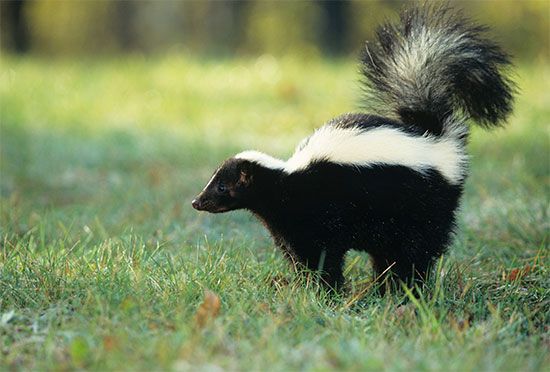
Skunks spray as a highly effective defense mechanism to deter predators and threats. This potent, noxious liquid is produced by specialized anal glands and contains sulfur compounds, specifically thiols and thioacetates, which create a powerful and persistent odor.12
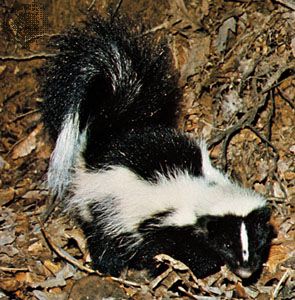
Because replenishing this supply can take 10 days or more, skunks typically employ a series of warning behaviors first, such as stamping their paws, hissing, or performing handstands. These displays provide a visual warning, allowing potential threats to retreat before the animal resorts to spraying.21
When forced to defend themselves, skunks use highly coordinated muscle control to aim the spray. They can emit it as an atomized cloud to deter unseen pursuers or as a precise stream directed at an adversary’s face, with an effective range of about two meters.21
What are the main predators of skunks?
Despite their potent chemical defense system, skunks are preyed upon by a variety of animals. The primary predators of striped skunks include:
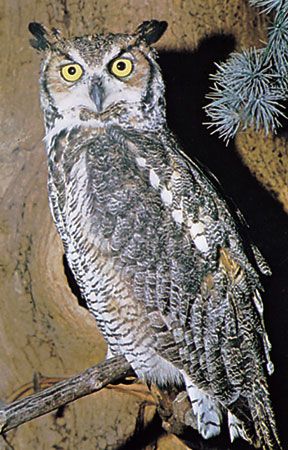
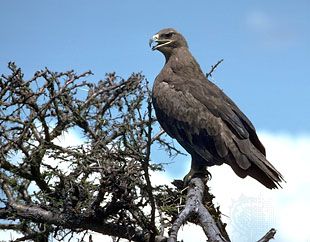
- Birds of prey: Great horned owls, eagles, crows, and vultures.3
- Mammalian carnivores: Coyotes, foxes, dogs, bobcats, mountain lions, and American badgers.1
- Humans: People also hunt skunks, and in some regions, automobiles represent a significant cause of mortality.1
Stink badgers face predation from civets, cats, and humans. While skunks possess a highly effective deterrent, these predators are still capable of consuming them, often by bypassing or overcoming the skunk’s spray mechanism.12
How do different skunk species warn their enemies?
Before resorting to their chemical defense, skunks engage in a variety of species-specific warning behaviors to deter potential threats and conserve their limited supply of scent.12
Warning Behaviors by Species
- Striped and Hooded Skunks: These species face an adversary head-on and stamp their front paws. They may also charge forward a few paces or edge backward while dragging their front paws.1
- Hog-nosed Skunks: These skunks stand up on their hind paws and slam their front paws to the ground while hissing loudly.12
- Spotted Skunks: These animals perform a distinctive handstand while approaching predators.12
- Stink Badgers: These skunks snarl, show their teeth, and stamp their forefeet. They have also been observed feigning death, with their anal area directed toward the observer.1
These visual displays provide a critical warning, allowing predators the opportunity to retreat before the skunk utilizes its highly developed anal glands to spray a noxious, sulfur-based liquid.12
What is the best way to remove skunk odor?
Contrary to popular belief, tomato juice is ineffective at removing skunk odor. While it may mask the scent through olfactory fatigue, it lacks the chemical properties necessary to neutralize the sulfurous compounds known as thiols found in the spray.6
To effectively eliminate the odor, you must chemically neutralize these compounds. The most reliable method involves creating an oxidizing solution:
- The Mixture: Combine 0.5 gallons (approximately 2 liters) of 3% hydrogen peroxide with 0.5 cups of baking soda.
- Application: This mixture can be used to soak affected clothing. For use as a shampoo, add a small amount of liquid dishwashing detergent to the solution to help break down the oils in the spray.6
This process works by chemically altering the thiols, providing a permanent solution rather than a temporary mask.6
Sources
- skunk - Scent — Encyclopædia Britannica
- Why do skunks spray? — Encyclopædia Britannica
- skunk - Natural history — Encyclopædia Britannica
- skunk - Importance to humans — Encyclopædia Britannica
- skunk — Encyclopædia Britannica
- Does Tomato Juice Really Neutralize Skunk Odor? — Encyclopædia Britannica
Published on · 2 min read