Wind Cave National Park
Visitors to Wind Cave National Park can explore one of the world's largest cave systems, which is distinguished by two primary unique features:
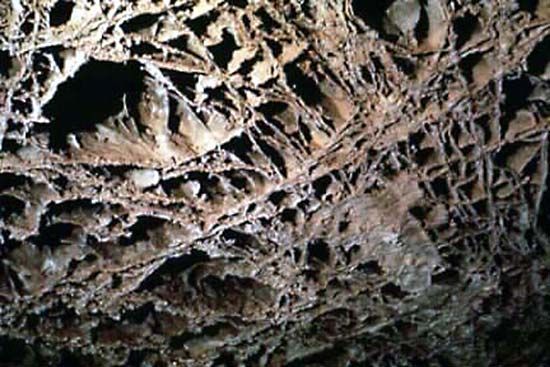
What unique features can visitors expect to see in Wind Cave?
Visitors to Wind Cave National Park can explore one of the world’s largest cave systems, which is distinguished by two primary unique features:
- Reversible Wind: The cave is named for its natural air pressure phenomenon, where air flows alternately in and out of the cave based on changes in outside atmospheric pressure.1
- Boxwork Formations: The caverns are famous for their intricate, honeycomb-patterned rock formations created by calcite deposits.1
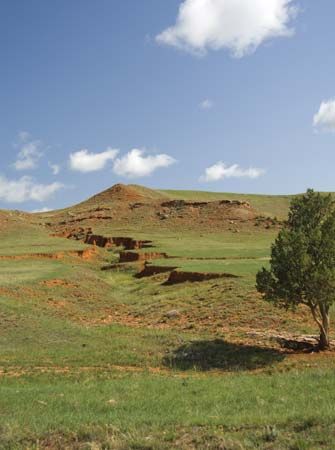
Beyond these geological wonders, the park preserves a significant tract of Black Hills prairie grassland, serving as a sanctuary for wildlife such as bison, antelope, and prairie dogs.1
How was Wind Cave discovered, and when did it become a national park?
While the provided search results confirm that Wind Cave National Park was established in 1903 to protect its unique limestone caverns and prairie landscape, they do not contain specific information regarding the historical discovery of the cave itself.
The park is located in southwestern South Dakota and is renowned for its extensive network of passages, which feature the signature “reversible wind” and intricate boxwork formations.
What types of wildlife can be found in Wind Cave National Park?
Wind Cave National Park serves as a vital sanctuary for a diverse range of wildlife. Together with the adjacent Custer State Park, the area forms a protected game sanctuary that supports several native species.1
Visitors to the park can expect to see the following types of wildlife:
- Large Mammals: The park is home to herds of bison, antelope, and deer.1
- Small Mammals: Populations of prairie dogs and coyotes are also present within the park’s grassland habitat.1
- Birds: The area supports many different species of birds.1
The park’s surface area, which encompasses 44 square miles of unspoiled prairie grassland, provides the necessary environment for these animals to thrive alongside the park’s famous limestone cave system.1
What recreational activities are available for visitors at Wind Cave National Park?
Visitors to Wind Cave National Park can engage in a variety of recreational activities centered on the park’s unique geological and natural features:
- Cave Tours: A variety of guided tours are available, allowing visitors to explore the extensive cave system, which features over 80 miles of mapped passages and rare boxwork formations.
- Wildlife Viewing: As part of a protected game sanctuary, the park offers opportunities to observe native wildlife, including herds of bison, antelope, and deer, as well as prairie dogs and various bird species.
- Nature Appreciation: Visitors can explore the 44 square miles of unspoiled prairie grassland, which includes diverse vegetation such as ponderosa pine forests and seasonal wildflowers.
Sources
- Wind Cave National Park — Encyclopædia Britannica
- Wind Cave — Merriam-Webster
- Custer State Park — Encyclopædia Britannica
Published on · 2 min read