Yankari National Park
Yankari National Park is a protected area located in Bauchi state, east-central Nigeria. Originally established as a game reserve in 1956, it was designated…
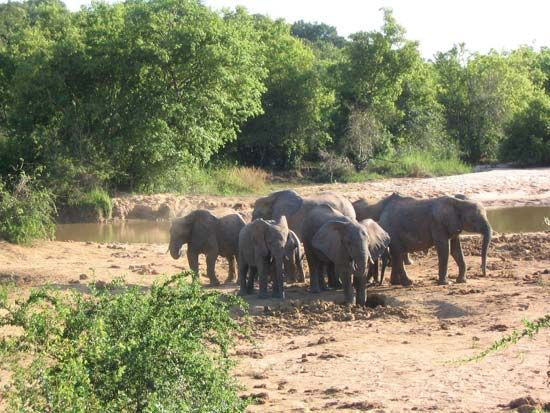
What is Yankari National Park?
Yankari National Park is a protected area located in Bauchi state, east-central Nigeria. Originally established as a game reserve in 1956, it was designated a national park in 1991 and spans 870 square miles (2,254 square km).1
The park is characterized by savanna vegetation, including grasslands, thick bush, and river floodplain swamps. It serves as a vital sanctuary for wildlife that has largely disappeared from other regions of the country, including elephants, lions, leopards, giraffes, hippopotamuses, and various antelope species such as waterbuck and bushbuck.12
Beyond its biodiversity, the park features unique historical and natural landmarks, notably the Wikki Warm Springs and ancient sandstone cisterns carved by former inhabitants for water storage.1
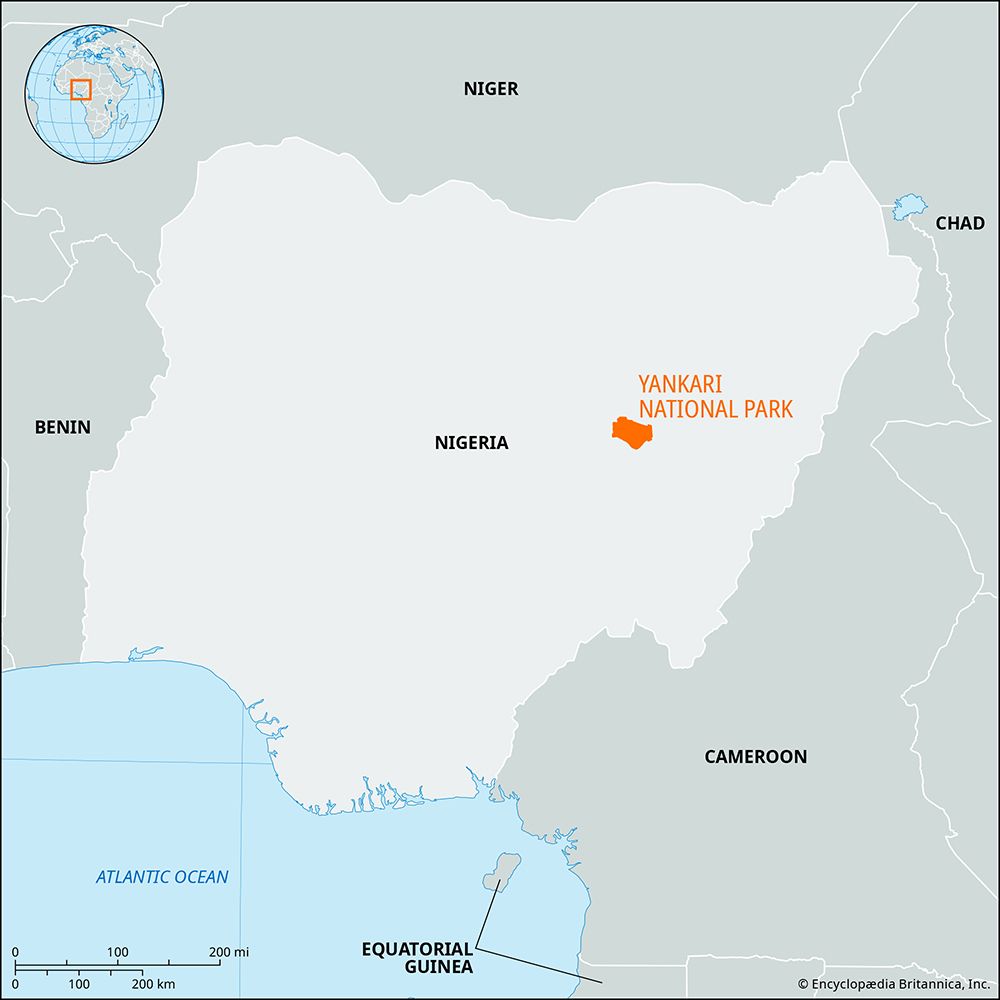
What makes the Wikki Warm Springs unique?
The Wikki Warm Springs are a notable feature of Yankari National Park in Nigeria. While the provided information identifies the springs as a special feature of the park, it does not specify the particular physical or chemical characteristics that make them unique compared to other natural springs.1
What are the characteristics of a savanna ecosystem?
A savanna is a tropical or subtropical ecosystem characterized by a continuous layer of tall grasses punctuated by an open canopy of scattered trees and shrubs. These regions typically serve as environmental transition zones between rainforests and deserts.34
Key Characteristics
- Climate: Savannas experience warm to hot temperatures year-round, with distinct wet and dry seasons. Mean annual precipitation generally ranges from 50 to 150 cm (20 to 59 inches), with the dry season often lasting longer than the wet season.34
- Fire Dynamics: Wildfire is a fundamental component of the savanna. Frequent fires, often fueled by dried grass, help maintain the open structure of the landscape by suppressing fire-sensitive species and encouraging the growth of fire-adapted plants.54
- Soil and Nutrients: Soil fertility is generally low, though it can be higher near trees due to the decomposition of leaf litter. Termites play a critical role in nutrient cycling, decomposing a significant portion of dead organic matter.4
- Biodiversity: Savannas support diverse flora and fauna, including large grazing mammals that rely on the grass component for food, as well as various invertebrates.36
Why are national parks important for wildlife conservation?
National parks are essential for wildlife conservation because they provide protected areas where natural environments, including plants and animals, can be maintained in their natural state. By setting aside these lands, governments create secure habitats that are critical for the survival of various species, particularly those that are endangered.89
These parks serve several key functions in conservation:
- Habitat Protection: They preserve representative ecosystems—such as woodlands, grasslands, and deserts—that provide the necessary food, nesting, and cover for diverse wildlife populations.109
- Management and Restoration: Conservationists often manage these areas to maintain threatened species, which may involve removing alien species or restoring natural ecological processes like fire and flooding regimes.11
- Connectivity: Initiatives like transfrontier parks link reserves across international borders, protecting biodiversity by allowing migratory animals a wider range of movement.10
- Visitor Management: To resolve the paradox of needing public interest for support while protecting wildlife from disturbance, parks limit human activity to specific areas, minimizing contact with animals.89
Sources
- Yankari National Park — Encyclopædia Britannica
- Nigeria - Plant and animal life — Encyclopædia Britannica
- Savanna: Top Questions — Encyclopædia Britannica
- Savanna - Role of wildfire — Encyclopædia Britannica
- Savanna - Flora — Encyclopædia Britannica
- Savanna - Environment — Encyclopædia Britannica
- Savanna - Fauna — Encyclopædia Britannica
- national park — Encyclopædia Britannica
- conservation - Habitat management — Encyclopædia Britannica
- Africa - Conservation of Africa — Encyclopædia Britannica
- forestry - Recreation and wildlife — Encyclopædia Britannica
Published on · 2 min read