11 Fascinating Nile River Plants and Animals
The Nile River supports a diverse array of flora and fauna across its vast basin. Here are 11 fascinating species found within its ecosystem:
What are 11 Fascinating Nile River Plants and Animals?
The Nile River supports a diverse array of flora and fauna across its vast basin. Here are 11 fascinating species found within its ecosystem:
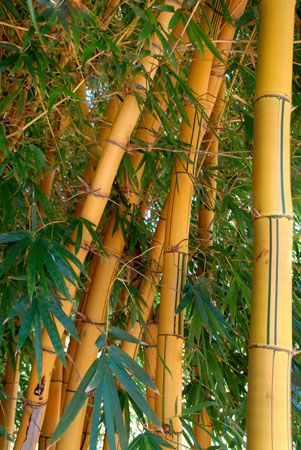
- Bamboo: Found near the river’s origin, some species can grow over a foot per day.1
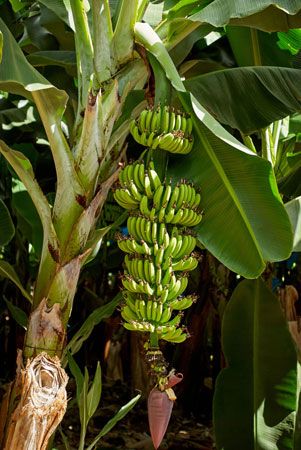
- Banana plant: Native to the tropical rainforests upstream, these plants have low genetic diversity, making them susceptible to disease.1
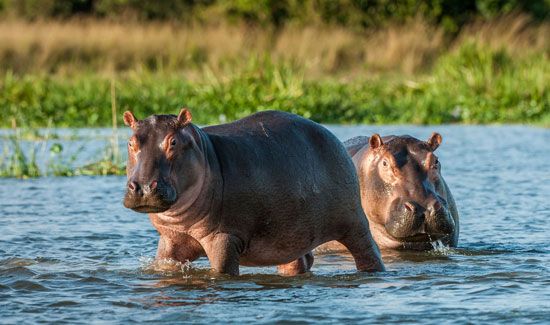
- Hippopotamus: Once widespread, they are now primarily restricted to the Al-Sudd region and areas further south.12
- Lungfish: Unique for possessing lungs, these fish can breathe air and are found as far upstream as Lake Victoria.12
- Monitor lizard: Three species inhabit the basin, ranking among the largest lizards in Africa.12
- Nile crocodile: One of the world’s largest crocodilians, reaching lengths of up to 6 meters.12
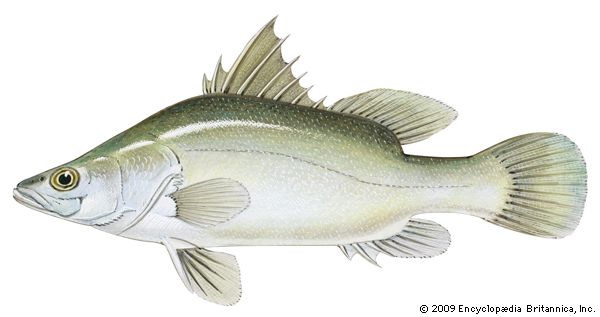
- Nile perch: A massive freshwater fish that can weigh up to 200 kg.12
- Papyrus: Historically vital to ancient Egyptians for paper, sails, and cloth.12
- Softshell turtle: Known for its flattened, hydrodynamically efficient shell.12
- Tigerfish: A fierce predator in the lower Nile known for its prominent, daggerlike teeth.12
- Water hyacinth: An invasive species that disrupts local economies and hydroelectric power.12
How did ancient Egyptians use papyrus beyond making paper?
Beyond its primary role as a writing surface, the papyrus plant was an essential resource for ancient Egyptians due to its versatile, fibrous stems. Its practical applications included:
- Maritime Construction: Egyptians utilized the buoyant stalks to build papyrus rafts, which served as a fundamental mode of transport and were among the earliest vessels adapted for warfare.
- Textiles and Cordage: The plant’s fibers were woven to create durable cloth and mats, while the stems were processed into strong cords for binding and construction.
- Architectural Inspiration: The plant’s distinct appearance influenced Egyptian design, most notably in the development of the papyrus column, an architectural feature crafted to resemble a bundled cluster of stalks.
- Sails: The material was also employed in the production of sails for watercraft, taking advantage of the plant’s lightweight yet sturdy properties.
What impact did the Aswan High Dam have on Nile fish populations?
The construction of the Aswan High Dam has significantly altered fish populations throughout the Nile River system by disrupting natural migration patterns and nutrient flow.72
- Migration Barriers: Many native Nile fish species are migratory. The dam acts as a physical barrier, preventing these populations from moving freely to and from Lake Nasser, which has led to a reduction or disappearance of fish schools that previously fed in the river during flood seasons.7
- Nutrient Reduction: The dam impounds the river’s rich load of silt and waterborne nutrients. This reduction in outflow has been linked to a decline in fish populations in the eastern Mediterranean, specifically affecting the number of anchovies.72
- New Fishery Development: Conversely, the creation of Lake Nasser has provided a new environment for a fishing industry. Species such as the Nile perch have thrived in the reservoir, leading to an increase in freshwater fish catches in that specific area.72
Why is the water hyacinth considered an invasive species in the Nile?
The water hyacinth (Eichhornia crassipes) is considered an invasive species in the Nile region because it is not native to the area, having originated in South America1.9
Once introduced into the Nile River system, the plant reproduces rapidly, leading to significant ecological and economic disruptions. Its presence causes several major issues:
- Economic Impact: It threatens the stability of local fishing-based economies by altering aquatic environments.1
- Navigation Hazards: The dense growth of the plant clogs waterways, which hinders boat travel in infested areas.21
- Infrastructure Interference: The plant interferes with the generation of hydroelectric power, creating operational challenges for energy facilities along the river.1
Because of its ability to spread quickly and overwhelm slow-flowing streams and lakes, it remains a persistent environmental concern throughout the river basin.21
Sources
- 11 Fascinating Nile River Plants and Animals — Encyclopædia Britannica
- Nile River - Plant and animal life — Encyclopædia Britannica
- papyrus — Encyclopædia Britannica
- papermaking — Encyclopædia Britannica
- papyrus column — Merriam-Webster
- warship - The age of oar and ram — Encyclopædia Britannica
- Aswan High Dam — Encyclopædia Britannica
- Egypt - Agriculture and fishing — Encyclopædia Britannica
- water hyacinth — Encyclopædia Britannica
Published on · 3 min read