15 of the World’s Rarest Snakes
While the International Union for Conservation of Nature (IUCN) identifies over 80 species of snakes as critically endangered, scientific data for many of…
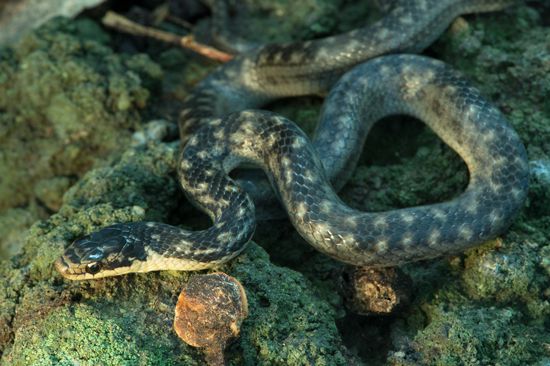
What are 15 of the world’s rarest snakes?
While the International Union for Conservation of Nature (IUCN) identifies over 80 species of snakes as critically endangered, scientific data for many of these remains limited due to their rarity, remote habitats, or fragmented populations. Threats to these species include habitat loss, invasive species, and the illegal pet trade.12
Among the most notable examples of rare snakes are:
- Saint Lucia racer (Erythrolamprus ornatus): Widely considered the world’s rarest snake, with fewer than 50 mature individuals remaining on Maria Major island.3
- Yoro Mountain forest snake: Known from extremely limited specimen data.1
- Hong Kong blind snake: Also documented from only one or two known specimens.1
Other species listed by the IUCN as critically endangered include various snakes whose populations have dwindled due to human activity and environmental pressures. Conservation efforts, such as those for the Antiguan racer, demonstrate that targeted intervention can successfully increase population numbers, though many species remain at high risk.13
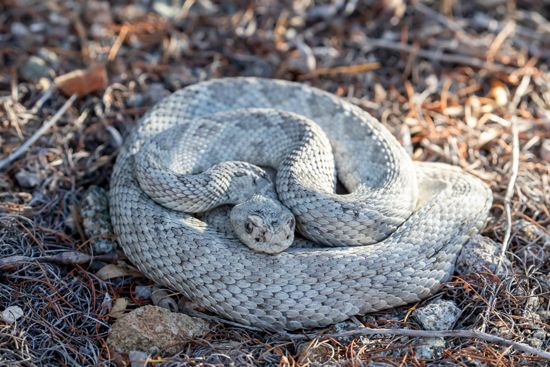
What specific conservation strategies are used to help endangered snake populations recover?
Conservation strategies for endangered snake populations are essential to counteract the severe declines caused by habitat loss, the international pet trade, and the introduction of invasive species. While the provided search results highlight the threats facing these reptiles, they also point to the importance of targeted interventions to prevent extinction.
Effective conservation efforts generally focus on the following approaches:
- Habitat Protection and Restoration: Because many snake populations are in decline due to the destruction of their natural environments, preserving existing ecosystems and restoring fragmented habitats are critical steps for long-term survival.
- Regulation of Trade: Reducing the number of snakes removed from the wild for the international pet trade is vital. The mass collection of species like pythons and boa constrictors significantly threatens their survival in the wild.
- Management of Invasive Species: Invasive predators, such as the brown tree snake on Guam, can devastate native biodiversity. Controlling these populations is necessary to protect vulnerable endemic species that are often preyed upon by nonnative invaders.
- Targeted Population Recovery: For species on the brink of extinction, such as the Antiguan racer, intensive, species-specific conservation programs have demonstrated that direct intervention can successfully increase population numbers.
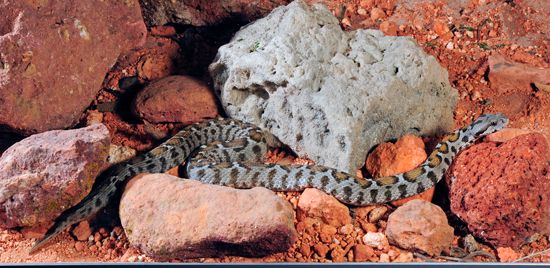
How do invasive species, like the Asian mongoose, negatively impact native snake populations?
Invasive species, such as the mongoose, negatively impact native snake populations primarily through predation and the disruption of local ecosystems. When species like the Javan mongoose (Herpestes javanicus) or the Indian gray mongoose (Herpestes edwardsi) are introduced to nonnative environments—often with the misguided intention of controlling rodents or other snakes—the results are frequently disastrous for native fauna.67
Mongooses are bold, predatory carnivores that rely on speed and agility to hunt. They are well-known for their ability to attack and kill even highly venomous snakes by darting at the head and delivering a powerful bite to the skull. Because they are not native to these new habitats, they lack natural checks on their population, allowing them to severely deplete the numbers of endemic species that have not evolved defenses against such an aggressive predator.687
The introduction of these animals has led to significant ecological damage in places like Hawaii, Mauritius, and Fiji, where they have decimated local wildlife. Consequently, the importation of mongooses is strictly regulated in many parts of the world to prevent further destruction of native biodiversity.67
Why are island-dwelling snake species more vulnerable to extinction than those on continents?
Island-dwelling snake species are significantly more vulnerable to extinction than their mainland counterparts primarily due to the combined effects of endemism and rarity12.
Because island species are restricted to a small geographic range, they lack the “reserve” populations that mainland species possess; if a threat emerges within their limited territory, they have nowhere else to go. Furthermore, these species often exist at low population densities, making them inherently more susceptible to total collapse.6
Their vulnerability is compounded by “ecological naivete.” Because island ecosystems often evolve in relative isolation, native species may lack the defensive behaviors necessary to survive encounters with introduced predators. This is starkly illustrated by the brown tree snake, which, as an invasive species, decimated native vertebrate populations on Guam because the local fauna had not evolved to recognize or evade such an aggressive predator. While some island species may initially appear abundant due to a lack of competitors, this does not protect them from the rapid, localized impacts of habitat loss or the introduction of invasive species.11126
Sources
- 15 of the world’s rarest snakes — Encyclopædia Britannica
- 15 of the world’s rarest snakes - Saint Lucia racer ( Erythrolamprus ornatus ) — Encyclopædia Britannica
- reptile - North temperate zone — Encyclopædia Britannica
- snake - Snakes and humans — Encyclopædia Britannica
- What is the largest snake in the world? — Encyclopædia Britannica
- brown tree snake — Encyclopædia Britannica
- mongoose — Encyclopædia Britannica
- What eats snakes? — Encyclopædia Britannica
- mongoose: Top Questions — Encyclopædia Britannica
- Do Mongooses Make Good Pets? — Encyclopædia Britannica
- conservation - Insularity — Encyclopædia Britannica
- conservation - Endemism and rarity — Encyclopædia Britannica
- Burmese python — Encyclopædia Britannica
Published on · 4 min read