6 Animals We Ate Into Extinction
The extinction of various species has often been accelerated by human exploitation for food and resources. While extinction is a complex process, the…
What are 6 Animals We Ate Into Extinction?
The extinction of various species has often been accelerated by human exploitation for food and resources. While extinction is a complex process, the following six animals are frequently cited as species that were driven to extinction, in significant part, by human consumption and hunting:
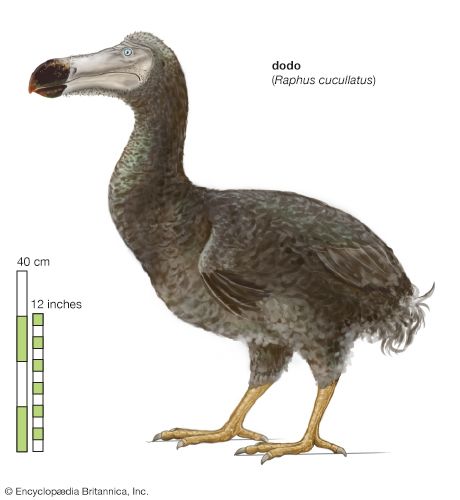
- Dodo: Once abundant on Mauritius, these flightless birds were hunted by sailors for fresh meat. Their extinction by 1681 was furthered by invasive species introduced by humans that preyed on their eggs.12
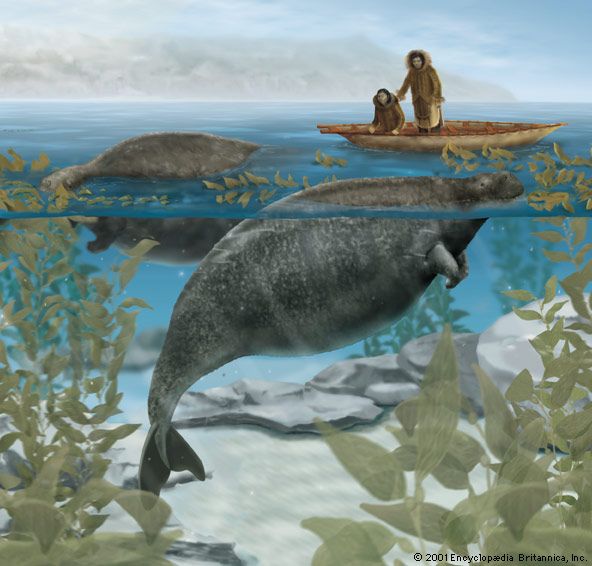
- Steller’s Sea Cow: Discovered in 1741, these massive, docile marine mammals were hunted for their meat by seal hunters. They were exterminated by 1768, less than 30 years after their discovery.13
- Passenger Pigeon: Once numbering in the billions in North America, they were slaughtered by the millions for food and shipped to city markets, leading to their extinction in 1914.41
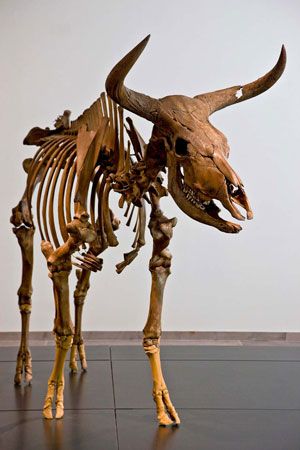
- Eurasian Aurochs: Ancestors of modern cattle, these wild oxen were hunted excessively for sport and food until the last individual died in 1627.1
- Great Auk: These flightless seabirds were killed in enormous numbers by hunters for food and bait, particularly in the early 1800s, until their final extinction in 1844.51
- Woolly Mammoth: While climate change was a major factor, recent studies suggest that human hunting was a driving force in the final demise of these massive animals around 7,500 years ago.1
What role does the conservation movement play in preventing modern extinctions?
The conservation movement functions as a mission-driven discipline that seeks to identify the causes of biodiversity loss and implement “therapies” to prevent extinction. Its role in preventing modern extinctions is multifaceted, relying on a combination of scientific monitoring, legal frameworks, and habitat management.7
Key Conservation Strategies
- Habitat Protection and Restoration: Conservationists prioritize protecting large areas capable of supporting viable populations. This includes identifying and safeguarding “hot spots”—regions of high endemism—and restoring habitats that have been degraded by human activity.89
- Legal and Policy Frameworks: Laws such as the Endangered Species Act (ESA) in the United States and international agreements like CITES are critical for prohibiting the killing, collection, and trade of threatened species.101112
- Direct Species Intervention: Professionals monitor the status of species through tools like the IUCN Red List. When necessary, they remove invasive species, manage fire and flooding regimes, and enforce anti-poaching measures to protect vulnerable populations.891312
- Sustainable Development: The movement promotes economic planning that fosters growth while preserving environmental quality, aiming to reduce the pressure caused by land-use conversion and overharvesting.9
How do invasive species introduced by humans contribute to the decline of native animals?
Invasive species—nonnative organisms introduced to new environments—often disrupt ecosystems and contribute to the decline of native animals through several mechanisms. Because these species frequently lack natural predators in their new habitats, they can establish thriving populations that outcompete indigenous wildlife for essential resources like food and living space.14
The primary ways invasive species threaten native populations include:
- Predation: Invasive predators, such as the brown tree snake on Guam or feral cats on islands, can be devastating to native species that have no evolutionary experience with them. These predators often hunt native animals to the point of localized or total extinction.1415
- Resource Competition: Invasive species may possess a competitive advantage, effectively replacing native species by monopolizing food, nesting sites, or other critical resources.14
- Disease Transmission: Invasive plants and animals can act as vectors, spreading parasites and pathogens that native species are not equipped to resist.14
- Hybridization: When an introduced species interbreeds with a rare native relative, the native species can be genetically “swamped,” threatening its long-term survival as a distinct population.15
What are some examples of animals that have been brought back from the brink of extinction?
Several species have been brought back from the brink of extinction through intensive conservation efforts, including captive breeding programs and habitat protection. Notable examples include:
- California Condor: Once declared extinct in the wild in 1987, the entire remaining population of fewer than 30 birds was brought into captivity for a breeding program. Following successful reproduction, the first specimens were released into the wild in 1992. By 2020, the global population had grown to approximately 500 individuals, with about 330 living in the wild.1819
- Black-Footed Ferret: This species nearly went extinct due to the loss of its primary food source, the prairie dog. In 1987, the last 18 known individuals were captured for a captive breeding program. Since 1991, more than 2,300 descendants have been reintroduced to native habitats across the American West and Mexico.20
- American Bison: By 1889, fewer than 1,000 American bison remained after widespread slaughter in the 19th century. Concerted efforts by conservationists and government agencies to protect the remaining animals in preserves and ranches allowed the population to rebound; today, there are hundreds of thousands of bison in commercial and conservation herds.9
- European Bison (Wisent): Extinct in the wild after World War I, the species was successfully reestablished using zoo-bred animals. Populations have since been reintroduced to forests in countries such as Poland and Belarus, with mature animal numbers reaching 2,500 by 2020.9
Sources
- Great auk — Encyclopædia Britannica
- Passenger pigeon — Encyclopædia Britannica
- 6 Animals We Ate Into Extinction — Encyclopædia Britannica
- sea cow — Encyclopædia Britannica
- Dodo — Encyclopædia Britannica
- artiodactyl - Importance to humans — Encyclopædia Britannica
- conservation - Preventing the loss of biodiversity — Encyclopædia Britannica
- biodiversity loss - Solutions to biodiversity loss — Encyclopædia Britannica
- endangered species - The United States Endangered Species Act — Encyclopædia Britannica
- conservation - Habitat management — Encyclopædia Britannica
- conservation — Encyclopædia Britannica
- Environmental law - Command-and-control legislation — Encyclopædia Britannica
- conservation - Protecting species — Encyclopædia Britannica
- invasive species — Encyclopædia Britannica
- conservation - Removing invasive species — Encyclopædia Britannica
- conservation - Introduced species — Encyclopædia Britannica
- community ecology - The effects of competition — Encyclopædia Britannica
- California condor — Encyclopædia Britannica
- conservation - Protective custody — Encyclopædia Britannica
- bison — Encyclopædia Britannica
- ferret — Encyclopædia Britannica
- conservation - Habitat restoration — Encyclopædia Britannica
Published on · 4 min read