7 Delicious Fruits That Made Their Way to California (and How They Did It)
California’s diverse climate has allowed it to become a hub for a wide variety of fruits, many of which arrived through historical migration, hybridization…
What are 7 Delicious Fruits That Made Their Way to California (and How They Did It)?
California’s diverse climate has allowed it to become a hub for a wide variety of fruits, many of which arrived through historical migration, hybridization, or intentional cultivation. Here are seven notable examples:
- Mara des Bois Strawberry: Created in a French laboratory in 1991, this hybrid was designed to combine the fragrance of alpine strawberries with the firm texture of modern varieties. Its cultivation has expanded from France to California.1
- Barhi Date: Originating in Iraq, these dates have been grown in California since the early 20th century. They are unique for being edible in their crunchy, pale yellow khalal stage.1
- Blenheim Apricot: Native to China, this fruit reached Europe and was later brought to Mexico by Spanish colonists before arriving in California, where it became a trademark variety.1
- Cherimoya: Native to Ecuador and Peru, this “jewel of the Incas” is now cultivated along the California coast.1
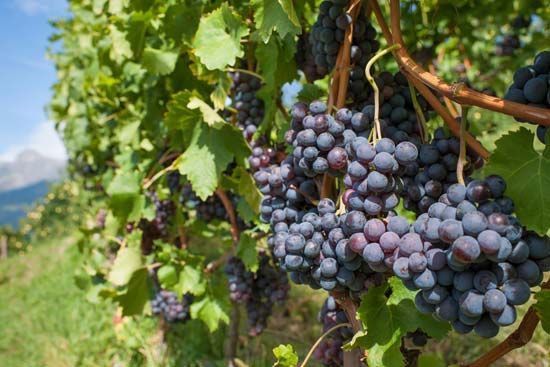
- Kyoho Grape: Originating in Japan, these large, sweet grapes are now grown in California, making them more accessible outside of their home country.1
- Hass Avocado: Developed in the 1920s by Californian Rudolph Hass, this hybrid of Mexican and Guatemalan species is now the most widely cultivated avocado in the United States.1
- Boysenberry: Developed in 1923 by California farmer Rudolph Boysen, this cross between blackberries, raspberries, and loganberries was later commercially developed by Walter Knott.1
How does California’s irrigation system support its diverse fruit production?
California’s ability to produce a vast array of crops, including diverse fruits like peaches, apricots, and wine grapes, is fundamentally supported by a complex, large-scale irrigation infrastructure that redistributes water across the state.4
Because California’s water resources are unevenly distributed—with abundant rain and snowmelt in the north and arid conditions in the south—the state relies on an extensive network of dams, reservoirs, and canals to manage supply. The California State Water Project, which began in 1960, serves as the primary water-conveyance system. Its centerpiece, the California Aqueduct, transports water over 700 miles from the Sacramento River delta to the arid southern regions, supporting hundreds of thousands of acres of farmland.456
Within the Central Valley, which produces about one-fourth of the food consumed in the United States, this irrigation allows for approximately 300 growing days per year. By capturing runoff from the Sierra Nevada and utilizing advanced pumping stations, such as the Edmonston Pumping Plant, the state ensures that water reaches productive agricultural districts that would otherwise lack the necessary moisture for intensive fruit cultivation.467
What role did the Spanish missions play in introducing new crops to California?
The Spanish mission system was a primary driver in the early agricultural development of California. Beginning in 1769, Franciscan friars, led by Junípero Serra, established a chain of 21 missions intended to convert the Mission Indians to Christianity.3
As part of this process, the padres introduced European farming techniques and crops to the region. By utilizing the forced labor of the indigenous population, the missions developed vast, irrigated ranches that produced essential commodities, including grain, wine, brandy, and olive oil. These agricultural products were not only used for local sustenance but also became vital trade goods, exchanged for manufactured items brought by Yankee trading vessels that navigated around Cape Horn. Through these efforts, the missions laid the foundational infrastructure for California’s future agricultural economy.3
Why is the Hass avocado considered a significant agricultural innovation?
The Hass avocado is considered a significant agricultural innovation due to its superior culinary and commercial qualities, which distinguish it from other varieties. Developed by Californian Rudolph Hass in the 1920s and patented in 1935, the Hass is a hybrid of Mexican and Guatemalan avocado species.10
Its significance stems from several key characteristics:
- Enhanced Flavor and Texture: The Hass is noted for being richer in flavor and having a higher oil content than many other varieties.10
- Practicality: It is easier to peel and smaller in size, making it highly convenient for consumers.10
- Ripening Indicator: The fruit features a pebbly skin that changes color as it ripens, transitioning from green to indigo or almost black, which provides a helpful visual cue for ripeness.10
- Commercial Success: These traits have made it the most widely cultivated avocado in the United States and a major crop in Mexico.10
All Hass avocado trees are descendants of a single “mother tree,” a testament to the success of grafting and horticultural selection in perpetuating this superior cultivar.210
Sources
- California - Agriculture, forestry, and fishing — Encyclopædia Britannica
- 7 Delicious Fruits That Made Their Way to California (and How They Did It) — Encyclopædia Britannica
- California - Settlement — Encyclopædia Britannica
- Central Valley — Encyclopædia Britannica
- California Aqueduct — Encyclopædia Britannica
- Central Valley — Merriam-Webster
- Irrigation - Water supply — Encyclopædia Britannica
- California - Drainage — Encyclopædia Britannica
- Origins of agriculture - Irrigation — Encyclopædia Britannica
- Avocado — Encyclopædia Britannica
Published on · 3 min read