Cape Gooseberry
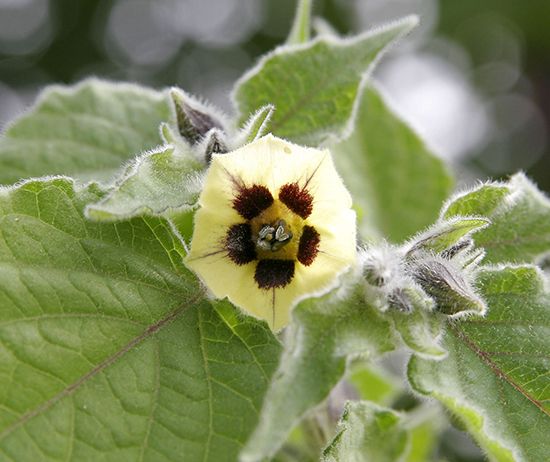
The Cape gooseberry (Physalis peruviana) is a species of ground cherry belonging to the nightshade family (Solanaceae). Despite its name, it is entirely…
What is Cape gooseberry?
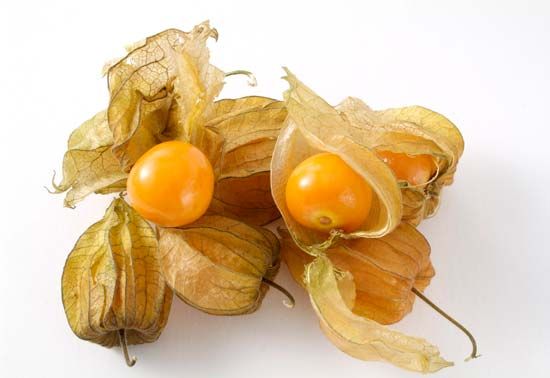
The Cape gooseberry (Physalis peruviana) is a species of ground cherry belonging to the nightshade family (Solanaceae). Despite its name, it is entirely unrelated to the true gooseberry (Ribes genus).1
Native to Colombia, Ecuador, and Peru, the plant is characterized by an inflated, baglike calyx that encloses a fleshy orange berry. The fruit is bittersweet and juicy, offering a flavor profile that combines notes of citrus, pineapple, peach, and cherry with the acidity of a tomato.1
Cape gooseberries are versatile in the kitchen, used in both sweet and savory applications ranging from jams and baked goods to sauces for scallops or chocolate-dipped treats. While it is a perennial plant, it is often cultivated as an annual in temperate regions. It is important to note that this plant is distinct from the Indian gooseberry, which is a tree species valued for its role in traditional medicine.12
How does the Cape gooseberry differ from a true gooseberry?
The Cape gooseberry (Physalis peruviana) and the true gooseberry are entirely unrelated plants that belong to different botanical families.
- Botanical Classification: The Cape gooseberry is a member of the nightshade family (Solanaceae) and is a type of ground cherry. In contrast, true gooseberries belong to the genus Ribes within the family Grossulariaceae.14
- Physical Characteristics: The Cape gooseberry is noted for its inflated, baglike calyx that encloses a fleshy orange berry. True gooseberries grow on spiny shrubs and produce oval berries that are often prickly or hairy and come in colors such as white, red, yellow, or green.14
- Growth Habits: Cape gooseberries are native to South America and are often grown as annuals in temperate climates. True gooseberries are hardy, perennial shrubs native to the temperate regions of the Northern Hemisphere, capable of thriving in cool, humid environments.14
While both are used in culinary applications like jams and desserts, they are distinct species with different growing requirements and biological structures.14
What are some other plants in the nightshade family?
The nightshade family, Solanaceae, is a diverse group comprising more than 100 genera and approximately 2,280 species. While the family is often associated with toxic alkaloids, it includes many plants of significant economic, culinary, and ornamental importance.56
Common Food Crops
Many staple foods belong to this family, particularly within the genus Solanum and the genus Capsicum:
- Potato (Solanum tuberosum)57
- Tomato (Solanum lycopersicum)57
- Eggplant (Solanum melongena)57
- Peppers (genus Capsicum), including bell pepper, chili pepper, cayenne, and tabasco pepper57
- Tomatillo (Physalis philadelphica)57
Ornamental and Medicinal Plants
The family also features species valued for their aesthetic appeal or pharmaceutical properties:
- Petunia (genus Petunia)57
- Angel’s trumpet (Brugmansia species)57
- Belladonna (Atropa belladonna), a source of alkaloid drugs567
- Tobacco (Nicotiana tabacum and N. rustica)57
- Jimsonweed (Datura stramonium)57
- Mandrake (genus Mandragora)5
Why is the Cape gooseberry considered an invasive species in some regions?
The Cape gooseberry (Physalis peruviana) is considered an invasive species in certain regions outside of its native South American range, such as Hawaii and other Pacific islands1.
While the provided information confirms its status as an invasive plant in these specific locations, it does not detail the specific ecological mechanisms—such as rapid seed dispersal, lack of natural predators, or competitive growth habits—that drive its invasiveness in those environments. Generally, invasive species are categorized as such when they are introduced to a new area and cause harm to the local environment, economy, or human health by outcompeting native flora and disrupting established ecosystems.1
Sources
- Cape gooseberry — Encyclopædia Britannica
- Cape gooseberry — Merriam-Webster
- Indian gooseberry — Encyclopædia Britannica
- Gooseberry — Encyclopædia Britannica
- list of plants in the family Solanaceae — Encyclopædia Britannica
- Solanales - Family characteristics — Encyclopædia Britannica
- nightshade — Encyclopædia Britannica
- list of economically important members of the family Solanaceae — Encyclopædia Britannica
Published on · 3 min read