Brussels Sprouts
Brussels sprouts are classified as a cool-season vegetable, meaning they thrive in environments where the mean daily temperature does not rise above 70° F…
What climate conditions are ideal for growing Brussels sprouts?
Brussels sprouts are classified as a cool-season vegetable, meaning they thrive in environments where the mean daily temperature does not rise above 70° F (21° C).1
The plant requires a mild, cool climate for optimal development. It is important to note that Brussels sprouts are sensitive to heat and can be harmed by hot weather. Because they are well-suited to cooler conditions, they are categorized alongside other crops like broccoli, cabbage, and spinach, which prefer temperate growing environments to reach maturity successfully.21
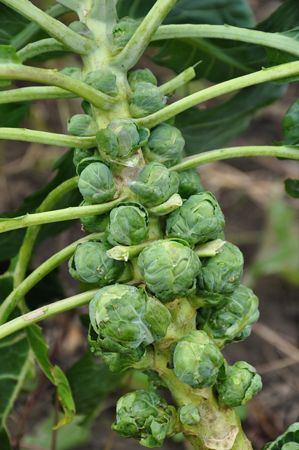
How are Brussels sprouts grown and harvested?
Brussels sprouts (Brassica oleracea, variety gemmifera) are biennial plants typically cultivated as annuals for their edible buds.1
Growth and Development
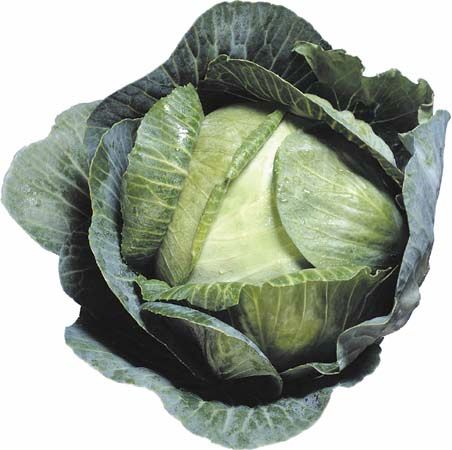
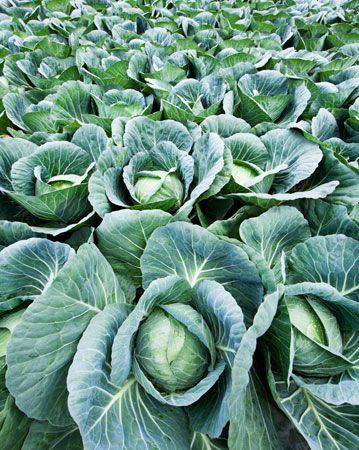
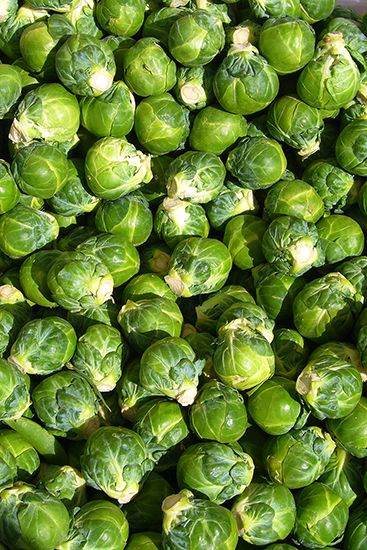
The plant begins its life cycle resembling a common cabbage. As it matures, the main stem reaches a height of 60 to 90 cm (2 to 3 feet). Along this stem, axillary buds develop into small, cabbage-like heads known as sprouts. These sprouts typically measure 25 to 40 mm (1 to 1.6 inches) in diameter. While most varieties are green, red-leaved versions also exist.1
Harvesting
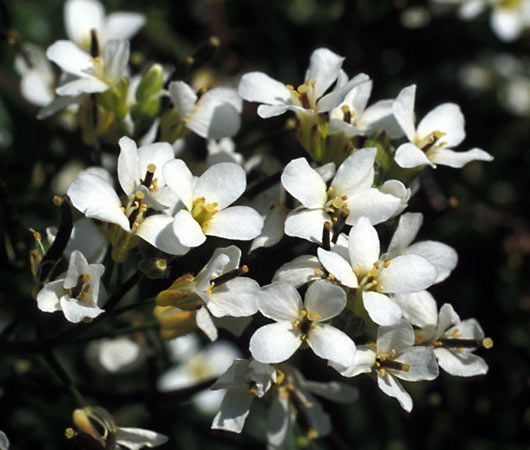
The edible sprouts are harvested once they have developed into firm, small heads. Because the plant is sensitive to heat, it requires a mild, cool climate to produce high-quality yields; hot weather can harm the plant and negatively impact the development of the buds. If left to grow for two seasons, the plant will produce yellow flowers and eventually bear seeds in silique fruits.1
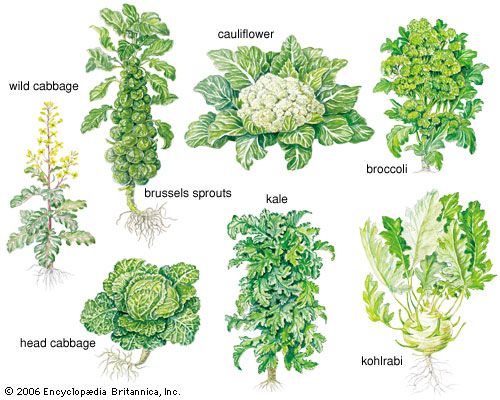
Are there different varieties of Brussels sprouts?
Yes, there are different varieties of Brussels sprouts. While the most common types feature green sprouts, breeders have also developed red-leaved varieties.1
These plants are a form of cabbage belonging to the Brassicaceae family. Regardless of the specific variety, they are all cultivated for their edible axillary buds, which resemble miniature cabbages.13
What part of the Brussels sprout plant do we eat?
The part of the Brussels sprout plant that we eat is the edible axillary bud. These buds grow along the main stem of the plant and develop into small, round heads that resemble miniature cabbages.13
Each sprout consists of tightly overlapping immature leaves and is typically harvested and cooked as a vegetable.13
Sources
- Brussels sprouts — Encyclopædia Britannica
- Vegetable farming - Temperature — Encyclopædia Britannica
- brussels sprout — Merriam-Webster
Published on · 2 min read