Chinese Cabbage
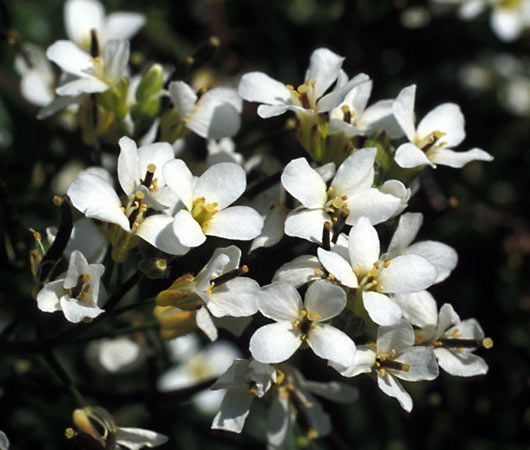
Chinese cabbage refers to two distinct varieties of the species Brassica rapa, a member of the mustard family (Brassicaceae). These should not be confused…
What is the origin and history of Chinese cabbage cultivation?
Chinese cabbage refers to two distinct varieties of the species Brassica rapa, a member of the mustard family (Brassicaceae). These should not be confused with common head cabbage (Brassica oleracea), which was developed separately in Europe.12
The two primary types of Chinese cabbage are:
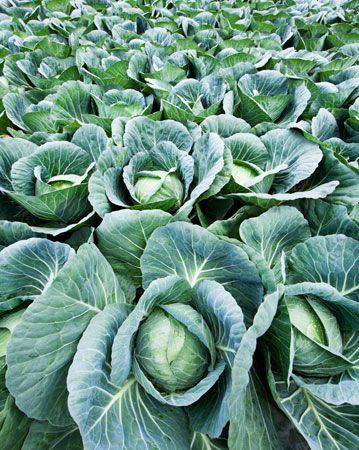
- Napa cabbage (B. rapa, variety pekinensis): Known for its tight, cylindrical head of crinkled, light green leaves. It is a staple ingredient in Korean kimchi.1
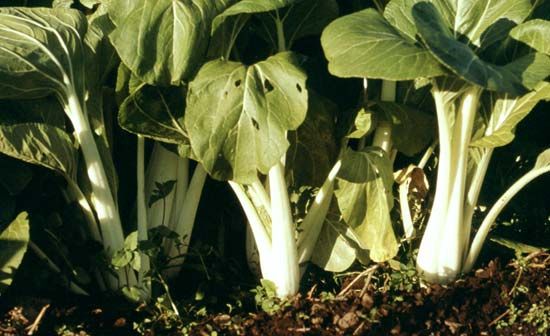
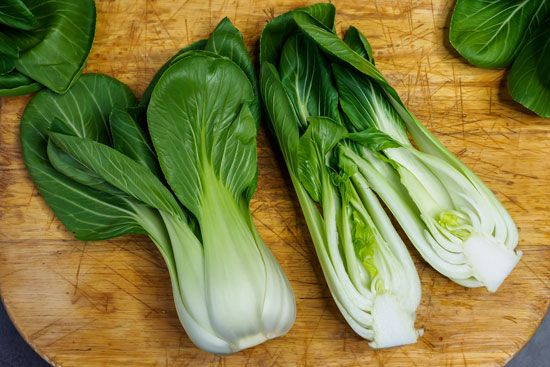
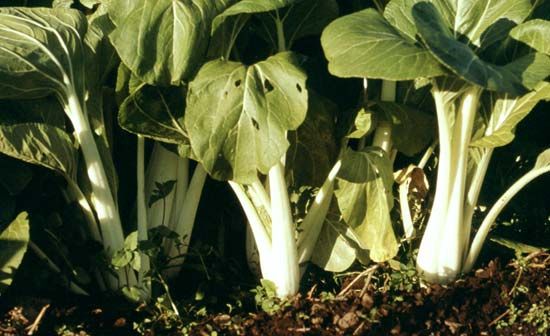
- Bok choy (B. rapa, variety chinensis): Also called spoon cabbage, this variety features a loose head with glossy, dark green leaves and thick, crisp stalks. It is widely used in stir-fries and Asian cuisine.1
While these plants have been cultivated in Asia for centuries, their first known use in Western records dates to 1771. Today, both varieties are grown globally, including in the United States, where they are valued as versatile salad and cooking vegetables.31
How is Chinese cabbage used in various cuisines around the world?
Chinese cabbage, which includes the varieties Napa cabbage and bok choy, is a versatile vegetable used in diverse culinary traditions worldwide.
Napa Cabbage
Napa cabbage is most famously associated with Korean cuisine, where it serves as the primary ingredient in kimchi. This fermented dish can be prepared in numerous ways, ranging from spicy versions coated in red pepper flakes, garlic, and ginger to milder “white” kimchi fermented in a fruit-tinged brine. Beyond fermentation, Napa cabbage is also widely cultivated in the United States and other regions as a fresh salad vegetableUnited States](https://www.britannica.com/place/United-States) and other regions as a fresh salad vegetable.14
Bok Choy
Bok choy is a staple in Asian cooking, prized for its ability to absorb the flavors of surrounding ingredients. Because of its crisp, juicy stalks and tender leaves, it is commonly used in:
- Stir-fries: Its texture holds up well to high-heat cooking.56
- Soups: It is a frequent addition to broths and stews.6
- Dumplings: The leaves are often used as a flavorful filling.6
Whether cooked whole, halved, or quartered, bok choy remains a popular choice for its subtle, mildly sweet flavor.6
What are the main varieties of Chinese cabbage, and how do they differ?
Chinese cabbage refers to two primary varieties of the species Brassica rapa, which belongs to the mustard family (Brassicaceae). While both are important agricultural crops, they differ significantly in their physical structure and culinary applications.1
Main Varieties
- Napa Cabbage (B. rapa, variety pekinensis): This variety is characterized by its tight, elongated, and solid cylindrical head. It features crinkled, light green or cream-colored leaves. These heads typically grow to about 30 cm (12 inches) in height, though some forms can reach up to 45 cm (18 inches). It is widely used as a salad vegetable and is a staple ingredient in Korean kimchi.19
- Bok Choy (B. rapa, variety chinensis): Also known as spoon cabbage, this variety does not form a tight head. Instead, it grows in a loose cluster with glossy, dark green leaves and thick, crisp white or green stalks. Younger, more tender plants are often marketed as “baby bok choy” and are noted for their milder flavor. It is a common component in stir-fries and is highly popular in Asian cuisine.1
What are some popular dishes that feature Chinese cabbage as a main ingredient?
Chinese cabbage, encompassing both Napa cabbage and bok choy, is a versatile ingredient featured in a variety of traditional dishes.
Popular Dishes Featuring Chinese Cabbage
- Kimchi: This iconic Korean dish is perhaps the most well-known use for Napa cabbage. It consists of vegetables fermented in a brine seasoned with ingredients like red pepper, garlic, and onion.156
- Stir-fries: Bok choy is a staple in Asian stir-fry recipes. Its ability to absorb the flavors of other ingredients, combined with its crisp, juicy stalks, makes it an ideal addition to high-heat cooking.17
- Soups and Stews: Bok choy is frequently added to various broths and soups, where it provides both texture and a subtle, mildly sweet flavor.7
- Dumplings: The leaves of bok choy are commonly chopped and used as a flavorful filling for dumplings.7
- Salads: In the United States, Napa cabbage is often utilized as a fresh salad vegetable due to its mild taste and crunchy texture.15
Sources
- Chinese cabbage — Encyclopædia Britannica
- Chinese cabbage — Merriam-Webster
- Cabbage — Encyclopædia Britannica
- Beyond the Cabbage: 10 Types of Kimchi — Encyclopædia Britannica
- bok choy — Encyclopædia Britannica
- napa cabbage — Encyclopædia Britannica
- bok choy — Merriam-Webster
- napa cabbage — Merriam-Webster
- brassica — Encyclopædia Britannica
- Rapeseed — Encyclopædia Britannica
- kimchi: Top Questions — Encyclopædia Britannica
Published on · 3 min read