8 Fruits to Try Before You Die
Exploring exotic fruits can be a fascinating culinary adventure. Here are eight unique fruits worth trying, as highlighted by botanical enthusiasts:
What are 8 Fruits to Try Before You Die?
Exploring exotic fruits can be a fascinating culinary adventure. Here are eight unique fruits worth trying, as highlighted by botanical enthusiasts:
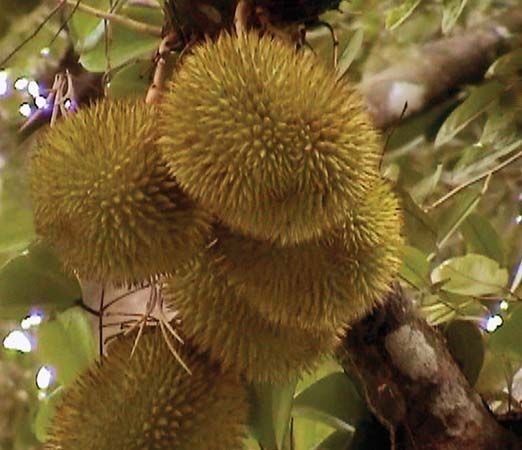
- Durian: Known for its intense, pungent odor, this fruit is often described as having a banana-lemon custard flavor.
- Cupuaçu: A relative of cacao from the Amazon, it features a creamy pulp with a unique chocolate-pineapple taste.
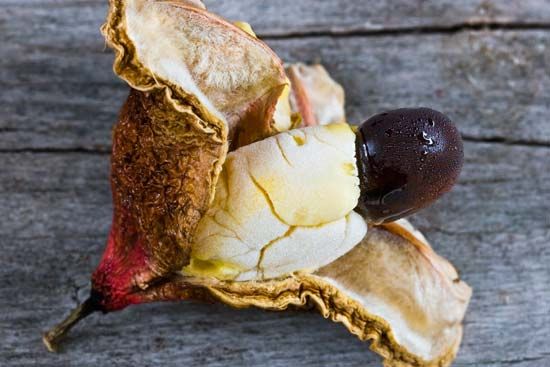
- Ackee: The national fruit of Jamaica, it is often eaten as a vegetable. Note that it must be prepared correctly, as the unripe fruit is toxic.
- Ice Cream Bean: A South American fruit found in giant pods, containing a pulp that tastes remarkably like vanilla ice cream.
- Jackfruit: The largest tree-borne fruit, which offers a flavor profile reminiscent of apple, pineapple, mango, and banana.
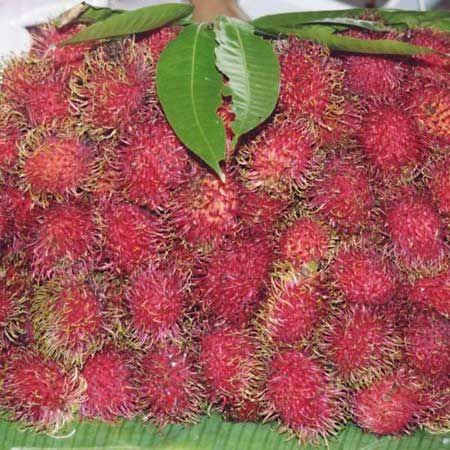
- Langsat: These small, potato-shaped fruits grow in clusters and provide a tangy grapefruit-grape flavor.
- Mangosteen: Highly prized for its delicate, citrus-like white segments that offer a perfect balance of sweet and tart flavors.12
- Salak: Often called “snake fruit” due to its scaly skin, it has a sweet, acidic taste similar to pineapple.1
Why are some fruits like ackee considered dangerous to eat?
Some fruits are considered dangerous to eat because they contain natural toxins that can cause severe health complications or even death if consumed at the wrong stage of maturity.
The ackee fruit, for example, is edible when ripe, but it is highly toxic and potentially fatal if eaten while unripe or overripe. The fruit contains a toxic pink raphe that attaches the edible aril to the seed, and consuming the fruit before it has properly matured can lead to poisoning.56
Similarly, the consumption of lychee has been linked to cases of hypoglycemic encephalopathy, particularly in undernourished children. Lychee fruits and seeds contain toxins known as hypoglycin A and methylene cyclopropyl-glycin, which inhibit the body’s ability to synthesize glucose. These toxins are significantly more concentrated in unripe fruit, and their dangerous effects are often compounded when the fruit is consumed after a period of fasting.7
What makes tropical fruits grow so differently from fruits in temperate climates?
The differences in how fruits grow in tropical versus temperate climates are primarily driven by variations in temperature, rainfall, and seasonal consistency.
Climatic Drivers of Growth
In tropical regions, the climate is characterized by consistently high temperatures and, in many areas, abundant rainfall throughout the year. Because there is no cold season to inhibit growth, plants in these environments do not experience the dormancy periods typical of temperate species. Instead, the primary limiting factors for tropical vegetation are often rainfall patterns and soil fertility, as heavy precipitation frequently leaches nutrients from the soil.910
Conversely, temperate-zone fruits are adapted to distinct seasonal cycles. Their growth is dictated by a “heat summation”—the accumulation of daily temperatures above a specific threshold (typically 10 °C or 50 °F) required for the fruit to reach maturity. Temperate plants must also withstand cold winter temperatures; if these drop too low, they can kill the vine or its fruitful buds.11
Cultivation and Adaptation
These environmental differences influence how fruits are managed:
- Seasonality: Temperate growers often select varieties with staggered harvest seasons to manage labor efficiently, whereas tropical farming must contend with rapid decomposition of organic matter and high pressure from weeds, insects, and disease.1210
- Propagation: While many fruits are clonally propagated in both zones, tropical crops like bananas and pineapples often require less nursery care before field planting compared to temperate trees that may require grafting onto specific rootstocks.12
- Altitude: In tropical regions, increasing elevation can create cooler conditions, allowing for the cultivation of crops typically found in temperate-climate agriculture.10
How do plants like the ice cream bean tree develop such unique flavors?
The unique flavor of the ice cream bean (Inga edulis)—often described as reminiscent of vanilla ice cream—is the result of complex biological processes that occur during fruit development.
Like all fruits, the ice cream bean undergoes a maturation phase, which is a critical period where the plant synthesizes various chemical compounds that determine its final taste and sugar content. While the specific chemical profile of the ice cream bean is distinct, the development of flavor in fruits generally involves a combination of metabolic functions, including the accumulation of sugars and the synthesis of organic constituents such as alcohols, aldehydes, and esters.131
Flavor is a multisensory experience, perceived through the combined input of taste, smell, and touch. In the case of the ice cream bean, the juicy, pulp-filled pods provide a specific texture and aromatic profile that the human brain interprets as a creamy, vanilla-like flavor. This process is part of the fruit’s natural maturation, where chemical pathways evolve to create the sensory characteristics that make the fruit appealing.1413
Sources
- 8 Fruits to Try Before You Die — Encyclopædia Britannica
- mangosteen — Encyclopædia Britannica
- How 7 Common Fruits and Veggies Got Their Names | Dragon fruit — Merriam-Webster
- dragon fruit — Merriam-Webster
- ackee — Encyclopædia Britannica
- ackee — Merriam-Webster
- nutritional disease - Toxins in foods — Encyclopædia Britannica
- lychee — Encyclopædia Britannica
- Fruit farming - The variety: its propagation and improvement — Encyclopædia Britannica
- wine - Cultivation — Encyclopædia Britannica
- Tropical rainforest - Environment — Encyclopædia Britannica
- Agricultural technology - Tropical farming — Encyclopædia Britannica
- vanilla — Encyclopædia Britannica
- fruit processing - Ripening and senescence — Encyclopædia Britannica
- flavor — Encyclopædia Britannica
Published on · 4 min read