Abundant Animals: The Most Numerous Organisms in the World
"Abundant Animals: The Most Numerous Organisms in the World" is a Britannica list that explores the most populous species across various taxonomic…
What is Abundant Animals: The Most Numerous Organisms in the World?
“Abundant Animals: The Most Numerous Organisms in the World” is a Britannica list that explores the most populous species across various taxonomic categories. Because obtaining exact population counts for many creatures is impossible, the list relies on inferences based on geographic range and other scientific extrapolations, while excluding invasive and domesticated species.1
The article identifies the most numerous representatives for several groups:
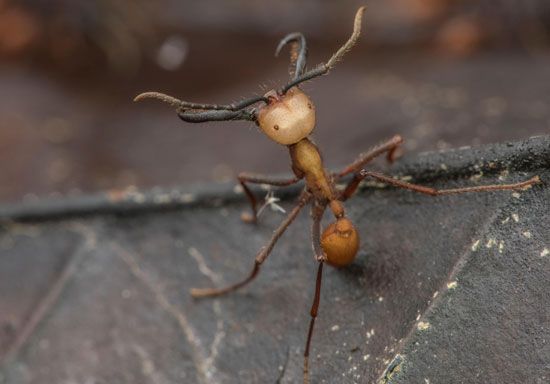
- Insects: Ants, which may number between 10 and 100,000 trillion individuals globally.1
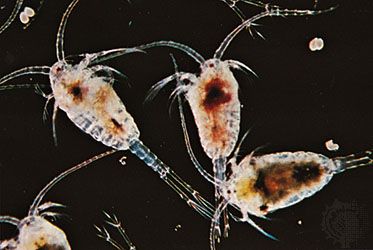
- Crustaceans: Copepods, which are also considered potentially the most populous multi-celled organisms on Earth.1
- Fish: Bristlemouths (family Gonostomatidae), which are also the most numerous vertebrates.1
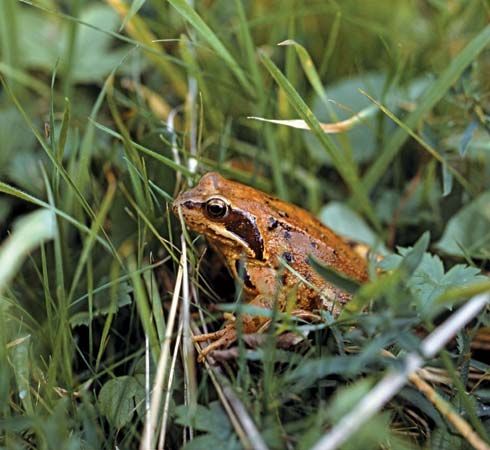
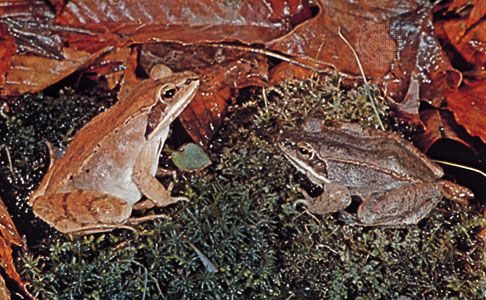
- Amphibians: Likely a species of frog, such as the common frog or the African clawed frog, though the exact most populous species is unknown.1
- Reptiles: Likely a lizard or snake, such as the viviparous lizard or garter snake.1
- Birds: The red-billed quelea, with an estimated population of 1 to 10 billion.1
- Mammals: Humans, though brown rats and house mice may approach or exceed our numbers.1
How does climate change affect the population of krill?
Climate change significantly impacts krill populations, particularly in the Antarctic, where numbers have declined notably since the 1970s. This reduction is primarily driven by the loss of sea ice, which serves as a vital protective habitat for krill and the phytoplankton blooms they consume, shielding them from both predators and severe storms.3
Beyond the direct loss of habitat, krill are indirectly threatened by ocean acidification. As oceans absorb increased levels of atmospheric carbon dioxide, the resulting chemical changes threaten the stability of marine food chains. For example, pteropods—a key food source for krill—are highly sensitive to acidity and may face population declines as their shells dissolve in more acidic environments. This disruption forces predators to switch prey, placing further ecological pressure on the region.5
These combined stressors threaten the survival of species that rely on krill, such as whales, fish, and penguins, whose population declines are increasingly linked to low krill abundance.35
What is the difference between species abundance and species richness?
In ecology, species richness and species abundance are distinct metrics used to evaluate biodiversity.
- Species Richness refers to the total count of unique species present within a defined area, such as an ecosystem or biome. It focuses solely on the variety of species and does not account for the number of individuals within those populations or how they are distributed.6
- Species Abundance measures the population size of a specific species within a given area. This can be expressed as a raw count of individuals, population density, or biomass. It also considers relative abundance, which examines the proportion of one species compared to the wider community.2
These measures do not always correspond; for example, an area with low habitat diversity may have low species richness but high species abundance for a few successful species. Ecologists often use species diversity to combine both concepts, providing a more comprehensive view of an area’s biological makeup.2
Why are ants considered so beneficial to their environments?
Ants are considered highly beneficial to their environments due to their diverse ecological roles, which include acting as predators, farmers, and agents of seed dispersal.
- Seed Dispersal: Many ant species contribute to plant reproduction through a process called myrmecochory. By consuming the nutrient-rich appendages (elaiosomes) of specialized seeds, ants effectively disperse them, aiding the growth of various forest and chaparral plants.78
- Ecosystem Engineering: Some ants, such as leafcutter ants, act as farmers by cultivating fungi, while others form mutualistic relationships with plants—such as the acacia ant, which protects its host tree in exchange for food and shelter.9
- Keystone Roles: Certain species, like army ants, serve as keystone species. As top predators, they significantly influence the biodiversity of their communities, with many other vertebrate and invertebrate species depending on them for survival.10
- Nutrient Cycling: Through their foraging and nesting behaviors, ants contribute to the complex biological processes within soil, helping to maintain the health of the ecosystems they inhabit.911
Sources
- Abundant Animals: The Most Numerous Organisms in the World — Encyclopædia Britannica
- species abundance — Encyclopædia Britannica
- krill — Encyclopædia Britannica
- What is the largest animal on Earth? — Encyclopædia Britannica
- ocean acidification — Encyclopædia Britannica
- species richness — Encyclopædia Britannica
- What do ants eat? — Encyclopædia Britannica
- seed - Dispersal by ants — Encyclopædia Britannica
- seed dispersal - Ants — Encyclopædia Britannica
- Eciton army ant: Top Questions — Encyclopædia Britannica
- soil - Biological phenomena — Encyclopædia Britannica
Published on · 3 min read