Abyssinian
The Abyssinian cat is a distinctive breed of domestic cat that has gained recognition for its regal appearance and lithe, slender build. While the breed is…
How has the Abyssinian cat breed influenced popular culture and cat shows?
The Abyssinian cat is a distinctive breed of domestic cat that has gained recognition for its regal appearance and lithe, slender build. While the breed is widely celebrated for its unique ticked coat—where individual hairs are banded with black or brown—the provided search results do not contain specific information regarding its influence on popular culture or its history within competitive cat shows.123
The Abyssinian is often associated with the sacred cats of ancient Egypt due to its physical characteristics, which have contributed to its status as a popular and recognizable breed among enthusiasts. Beyond its physical description and origins, however, the available data does not detail its broader cultural impact or its specific role in the exhibition circuit.123
What are the physical characteristics of the Abyssinian cat breed?
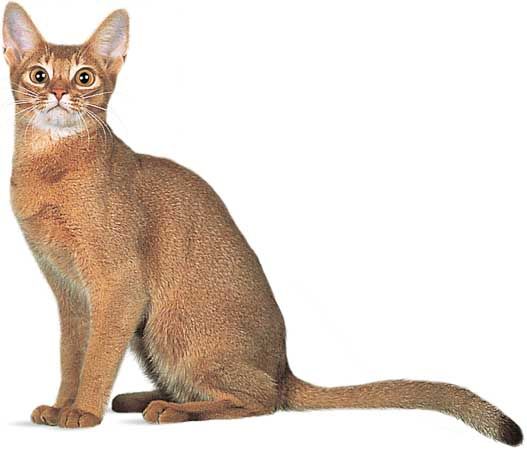
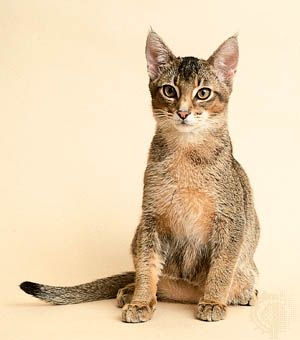
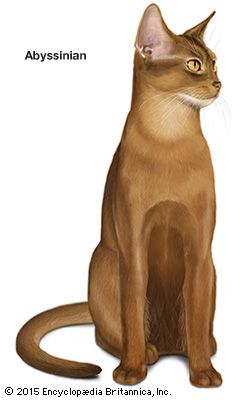
The Abyssinian is a medium-sized, lithe domestic cat known for its regal appearance and slender build. Its physical characteristics include:
- Body: A lithe frame with relatively slender legs and a long, tapering tail.1
- Coat: The short, finely textured hair is typically reddish to yellowish brown, with a distinctive “ticked” pattern where individual hairs on the back, sides, chest, and tail are banded with black or brown. A black stripe often runs down the spine, and the tail tip and backs of the hindlegs are also black.21
- Head and Features: The nose is red, and the eyes are hazel, green, or gold.1
Often considered to resemble the sacred cats of ancient Egypt, the breed is noted for its elegant, athletic silhouette.1
Where did the Abyssinian cat breed originate, and how did it get its name?
The Abyssinian cat breed is believed to have originated in Egypt, where it is often noted for its resemblance to the sacred cats of ancient Egyptian civilization. While some sources broadly categorize the breed as being of African origin, the consensus among experts points to an Egyptian heritage.132
The breed derives its name from Abyssinia, a historical kingdom in Africa that corresponds to modern-day Ethiopia. The term “Abyssinian” was historically used to refer to a native or inhabitant of that region. Although the name links the cat to this specific African kingdom, the breed’s actual development and historical ties are most strongly associated with the feline lineage of ancient Egypt.21
How did the Abyssinian cat breed become popular outside its country of origin?
The Abyssinian cat breed gained international recognition and popularity starting in the late 19th century, with its first known appearance in records dating to 1871. While the breed is believed to have originated in Egypt, its rise to prominence outside of its region of origin is tied to its distinct, regal appearance, which led many to associate it with the sacred cats of ancient Egyptian civilization.12
Beyond this historical association, the breed’s unique physical traits—specifically its lithe, athletic build and the characteristic “ticked” coat pattern—helped distinguish it from other domestic cats as it was introduced to new regions. Its reputation as an affectionate, quiet companion further contributed to its appeal among cat fanciers globally.2
Sources
- Abyssinian cat — Merriam-Webster
- Abyssinian — Encyclopædia Britannica
- Abyssinian — Merriam-Webster
Published on · 2 min read